A US State Department spokesperson stated on Saturday that Hezbollah must disarm for Lebanon to become a "safe and sovereign country," emphasizing Washington's support for the Lebanese people. The spokesperson noted that the Lebanese Government is the "sole legitimate interlocutor" for national discussions, according to the Trilateral Framework. "The United States stands with the Lebanese people and wants Lebanon to be a safe and sovereign country," the spokesperson said, adding, "For that to happen, Hizballah must disarm." The official further noted that when Hezbollah is ready, it should "talk with the Lebanese state" to turn in its weapons, stating, "It’s time for Hizballah to do what’s best for Lebanon and the Lebanese people." Washington's consistent demand is for Hezbollah to hand over its weapons, a key condition for the nation's stability and sovereignty.
Hezbollah's Role and Allegiance
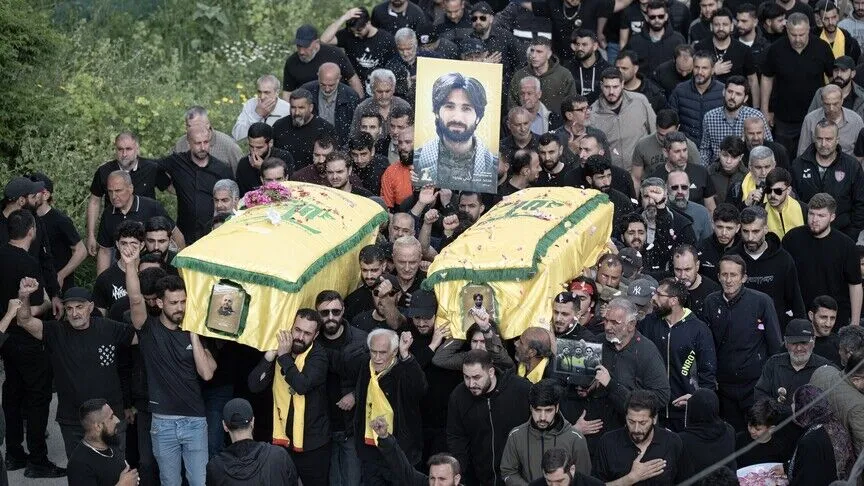
The spokesperson accused Hezbollah of declining talks with Lebanon, Washington, or Israel, asserting that the group was "simply taking orders from Iran." This statement from the US State Department official positions Hezbollah's actions as directed by an external power rather than by independent Lebanese interests. The accusation suggests that Hezbollah's refusal to engage in negotiations stems from its allegiance to Tehran, influencing its stance on disarmament and its relationship with the Lebanese state and international actors. The spokesperson's remarks show the US perspective on the group's operational autonomy and its impact on Lebanon's sovereignty. The US official's assertion that Hezbollah is "simply taking orders from Iran" directly links the group's actions to external directives, rather than an independent Lebanese agenda. This perspective frames Hezbollah's reluctance to engage in dialogue with Lebanon, Washington, or Israel as a consequence of its subservience to Iranian interests, further complicating efforts to achieve lasting peace and stability in the region.
US-Mediated Peace Framework
Lebanon and Israel achieved a US-mediated framework agreement on June 26, which outlines terms for a phased Israeli withdrawal from occupied Lebanese territory. In return, the agreement stipulates the deployment of the Lebanese army and the disarmament of armed groups operating within Lebanon, explicitly including Hezbollah. This framework aimed to establish a mechanism for resolving long-standing border disputes and security concerns between the two nations, providing a roadmap for de-escalation and the assertion of Lebanese state control. The agreement specifically calls for a gradual Israeli withdrawal from occupied Lebanese territory, a move intended to pave the way for a more stable border.
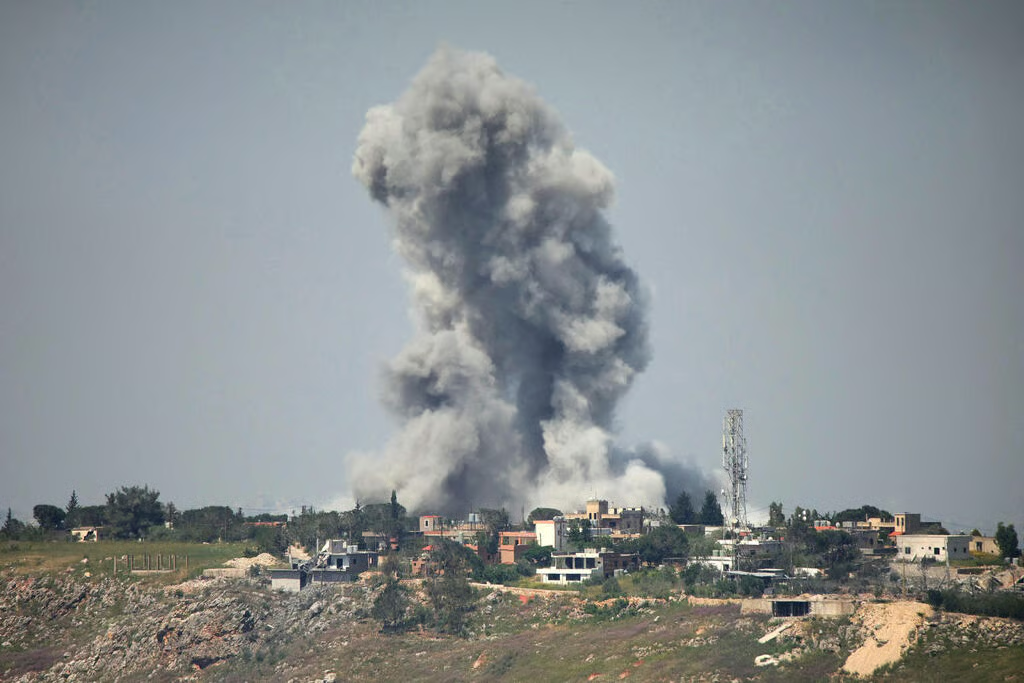
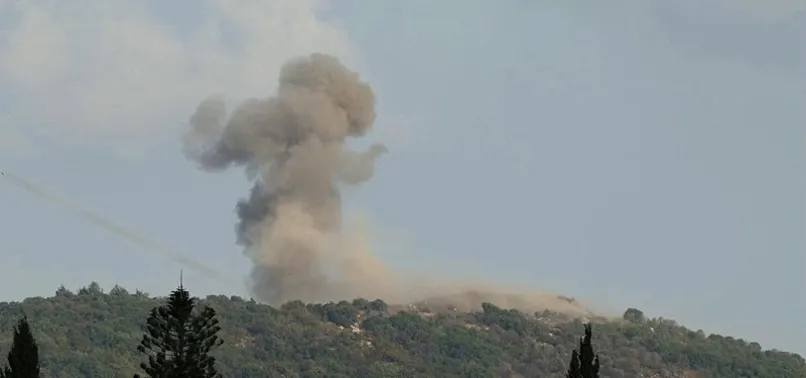
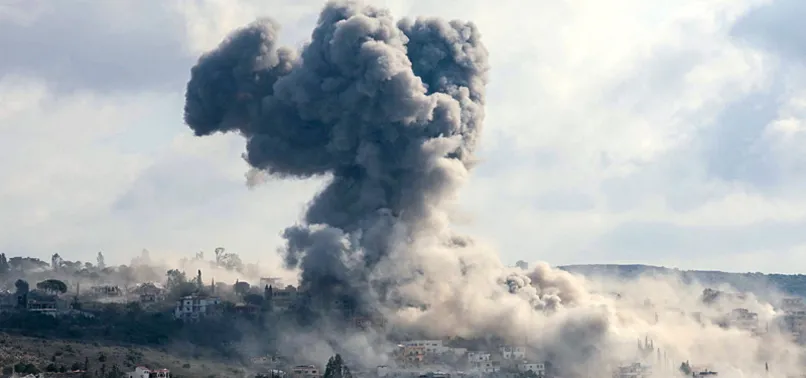
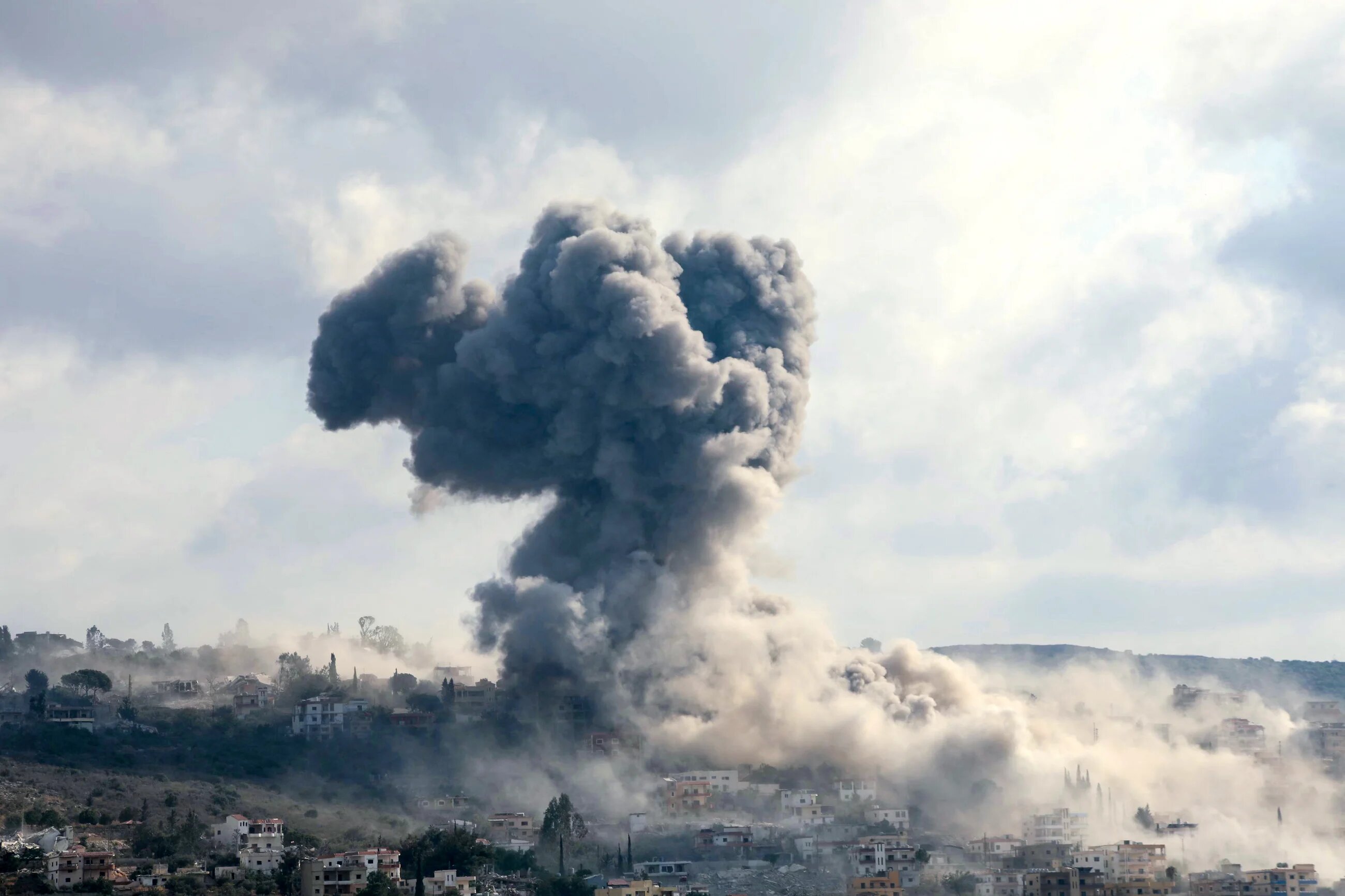
Since the initial agreement, US-sponsored discussions have continued, focusing on the practical implementation of its provisions. These talks have addressed specifics regarding the Israeli withdrawal and the subsequent deployment of the Lebanese national army to areas being vacated. Despite these ongoing diplomatic efforts, Israeli attacks on southern Lebanon have persisted, complicating the environment for the agreement's full execution and raising concerns about the stability of the border region. The continuation of Israeli attacks on southern Lebanon, even as diplomatic efforts progress, notes the fragility of the security situation and the challenges inherent in fully implementing the framework agreement. These persistent hostilities undermine confidence and create obstacles for the planned deployment of the Lebanese army and the disarmament of armed groups.
US Stance on Lebanon's Future
The US State Department maintains that the Lebanese government represents the "sole legitimate interlocutor" for any discussions concerning the country's future. Washington has expressed its desire for Hezbollah to hand over its weapons, asserting this action is essential for Lebanon to achieve safety and sovereignty. This position reinforces the United States' view that state institutions should hold a monopoly on legitimate force within Lebanon. The demand for Hezbollah's disarmament is a central component of the US stance on ensuring Lebanese national control over its territory and security. The US believes that a disarmed Hezbollah is key for the Lebanese state to fully exercise its authority and protect its citizens without the influence of non-state actors.