Brig.-Gen. (res.) Oren Avman, former commander of the Kfir Brigade, recently stated that diplomatic efforts between Israel, Gaza, and Lebanon are "largely ineffective... Half-baked in terms of what we will actually achieve." Avman commented on a report indicating Prime Minister Netanyahu permitted former Shin Bet chief Ronen Bar to maintain direct contact with Hamas officials during the war. Avman questioned the efficacy of such engagements, stating, "I don’t know if we’re being played or if a false reality is being manufactured... In this false narrative, we're pretending to run a process that will ultimately disarm Hamas." He emphasized that "diplomatic efforts and dialogue are always vital and must continue regardless. The real question is where they ultimately lead."
Critique of Diplomatic Strategy
Brig.-Gen. (res.) Oren Avman, former commander of the Kfir Brigade, emphasized that diplomatic efforts and dialogue remain vital and must continue. He questioned, however, the ultimate outcome of these efforts and whether Israel was being compelled to compromise on essential matters. Avman, speaking on 103FM, stated that the critical issue is where these diplomatic processes ultimately lead.
He acknowledged the moral complexities involved in negotiations, particularly when human lives are at stake. Avman explicitly addressed the difficult choices faced by decision-makers, stating, "When saving human lives is on the line, especially regarding the hostages following our terrible failure on October 7 - it is legitimate to negotiate even with the devil." This statement showed a pragmatic approach to securing the release of hostages, even if it entails engaging with adversaries.
Strategic and Operational Gaps
Brig.-Gen. (res.) Oren Avman characterized the Israel Defense Forces (IDF) operating in Lebanon as being in a "'Home Alone 2' situation - full of holes like Swiss cheese, operating without a clear political compass while locked in localized battles of attrition." He further identified two central issues impacting Israel: "decision-making paralysis" and "the immense strain on the [IDF], coupled with a complete lack of grasp of the reality facing reserve, career, and active-duty soldiers." Avman's assessment pointed to significant challenges in both strategic guidance and operational readiness.
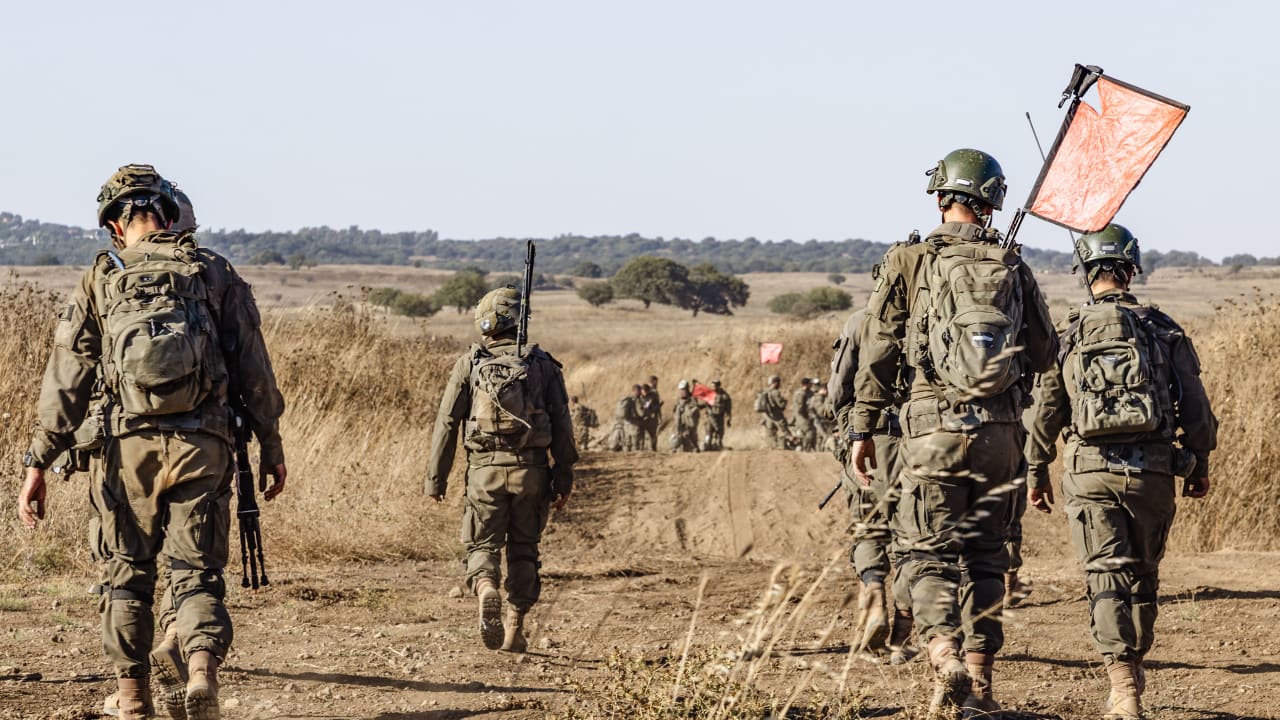
The former commander of the Kfir Brigade noted the strain on military personnel, suggesting a disconnect between leadership and the realities faced by soldiers on the ground. This perspective comes as military units continue to conduct exercises designed to maintain readiness. For example, Israeli soldiers from the Netzah Yehuda Battalion participated in a military training exercise near the Israeli border with Lebanon in northern Israel on August 20, 2026. Such exercises are typically conducted to prepare troops for potential engagements and to address strategic and operational needs.
Broader Implications and Concerns
Brig.-Gen. (res.) Oren Avman expressed concern about the nature of ongoing diplomatic efforts, suggesting they might be based on a flawed premise. Avman stated, "I don’t know if we’re being played or if a false reality is being manufactured - on top of the state’s overall conduct, which already draws plenty of valid criticism - but in this false narrative, we're pretending to run a process that will ultimately disarm Hamas." He implied that current strategies might be creating an illusion of progress rather than achieving substantive disarmament.
The former commander of the Kfir Brigade also noted a significant shift in the geopolitical landscape. Avman observed that "Over the last generation, state entities have virtually ceased to exist in our strategic reality. We have to recognize that - it's been the case for over 25 years." This assessment indicates a strategic environment where non-state actors play an increasingly dominant role, complicating traditional diplomatic and security approaches. His comments show a need for policymakers to acknowledge this evolving reality when formulating strategies.