The Netherlands is advocating for an extension of the United Nations Interim Force in Lebanon (UNIFIL) mandate in southern Lebanon, pushing beyond its current expiry date of December 31. This initiative comes despite the UN Security Council's decision last year to conclude the peacekeeping mission's mandate after 47 years of operation in the country. UNIFIL's mandate is now anticipated to initiate a year-long withdrawal process, a move that has raised concerns among international observers and regional actors given the current volatile security situation. Lebanese President Joseph Aoun has also publicly called for an extension of UNIFIL's presence, showing the perceived need for continued international peacekeeping in the region to maintain stability and prevent further escalation. The call from President Aoun notes a significant regional consensus on the necessity of UNIFIL's continued operational presence, especially given the current geopolitical climate.
Escalating Hostilities and UN Mandate
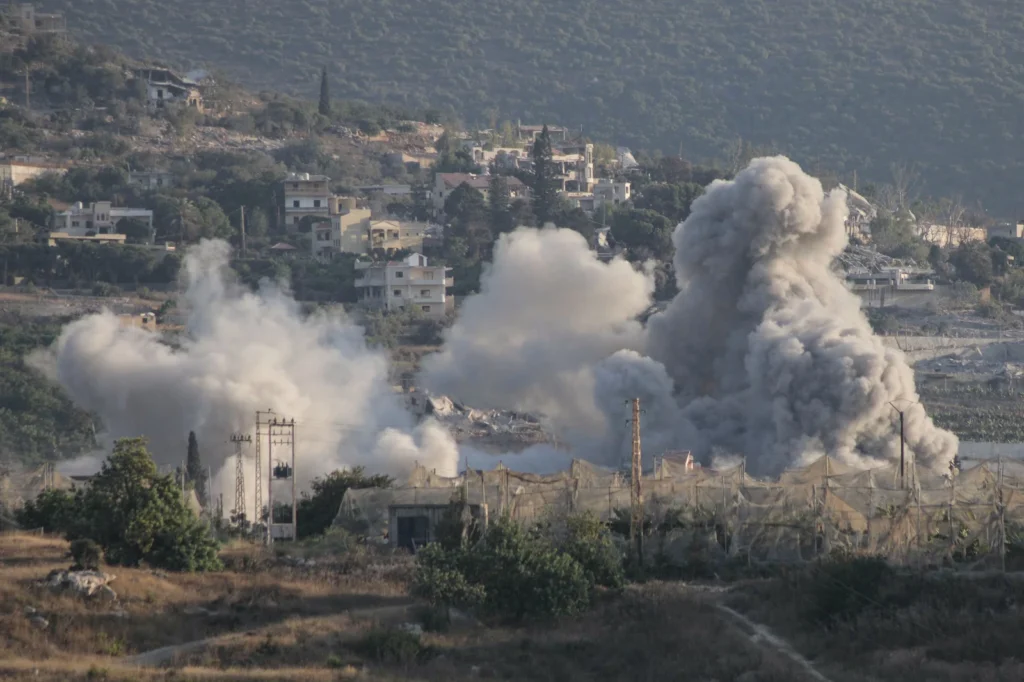
Israel has maintained its military strikes and village demolitions within Lebanon, even following a framework agreement signed in late June that was intended to de-escalate tensions. The current conflict, which resumed on March 2, has resulted in the deaths of more than 4,000 people and has led to the partial or complete destruction of dozens of villages in Lebanon. The war restarted on March 2 when Hezbollah launched rockets toward Israel, marking a significant escalation in cross-border hostilities. This renewed conflict has exacerbated the humanitarian situation and further destabilized an already fragile region. The extensive damage to infrastructure and the tragic loss of life show the severe impact of these hostilities on civilian populations and the broader stability of southern Lebanon.
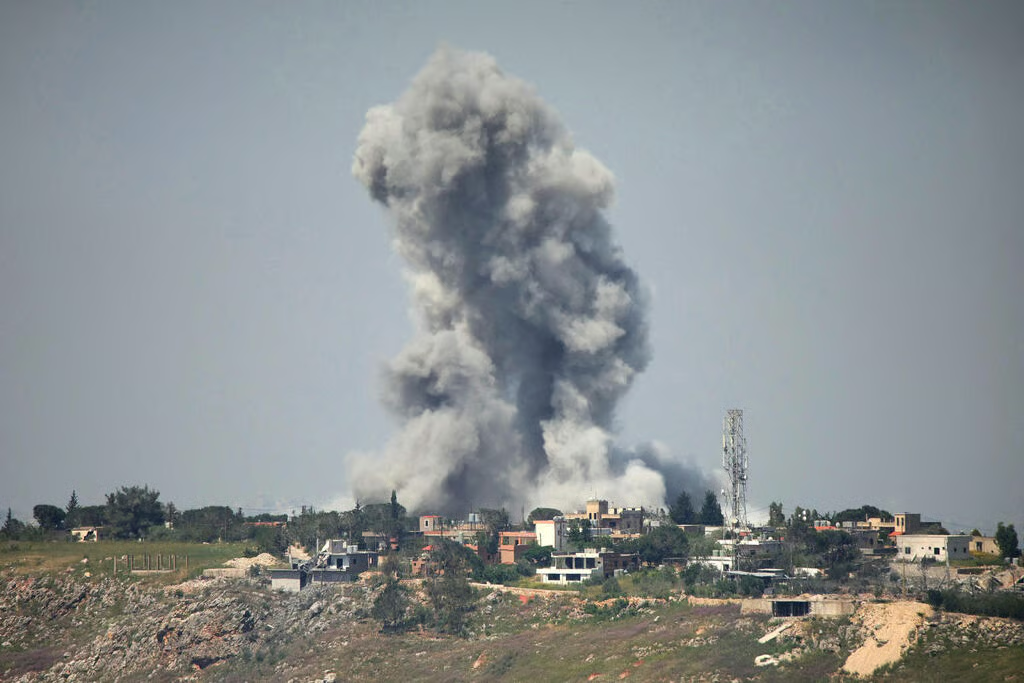
In a recent development noting the ongoing intensity of the conflict, Lebanon's National News Agency reported an Israeli strike targeting Nabatieh Al Fawqa. This specific incident adds to a pattern of military actions that have drawn international condemnation. Israel subsequently launched attacks in the Nabatieh district, stating these were in retaliation for a drone launch by Hezbollah. These retaliatory actions by Israel since March 2 have been attributed to the deaths of over 4,000 individuals and the partial or complete destruction of numerous villages, painting a grim picture of the conflict's human and infrastructural toll. The cycle of strikes and counter-strikes continues to endanger civilian lives and infrastructure, posing significant challenges to any prospects of de-escalation. The continuous destruction of villages and the displacement of residents further complicate humanitarian efforts and long-term recovery plans for the affected areas.
Dutch Advocacy and International Support
The United Nations Interim Force in Lebanon (UNIFIL) has maintained its presence in southern Lebanon since 1978, playing a critical role in monitoring the cessation of hostilities and assisting the Lebanese armed forces. Against this backdrop of long-standing international engagement and renewed conflict, the Netherlands has been actively involved in supporting international efforts related to the conflict. The Dutch government announced a €580,000 contribution to the UN Human Rights Office, designated to support the collection of evidence regarding alleged violations. This financial commitment amounts to approximately $580,000, showing the Netherlands' dedication to upholding international humanitarian law and promoting accountability.
A Dutch minister criticized Israel's ongoing presence in southern Lebanon and condemned its forces' attacks targeting civilians, journalists, and aid workers. The minister's statement noted concerns over the conduct of hostilities in the region, emphasizing the importance of protecting non-combatants and those providing essential services. The Netherlands' contribution to the UN Human Rights Office is specifically aimed at assisting the collection of evidence, which is a critical component for potential future accountability and understanding the scope of the alleged violations. This evidence collection is vital for documenting human rights abuses and ensuring that perpetrators are held responsible under international law, thereby contributing to long-term justice and reconciliation efforts. The Dutch government's proactive stance reflects a broader international concern regarding the protection of civilians and adherence to international humanitarian law in conflict zones. This commitment to evidence collection is a tangible step towards addressing the severe human rights implications of the ongoing conflict, providing a foundation for future legal processes and ensuring that the voices of victims are heard and documented.
Challenges and Israeli Concerns
A framework agreement, signed by Israel and Lebanon in late June, had been intended to de-escalate the conflict and pave the way for an end to hostilities between the two nations. Despite this agreement, military actions have continued in the region, indicating the deep-seated nature of the conflict and the difficulties in achieving a lasting peace. Israel has raised concerns regarding the effectiveness of international peacekeeping efforts, specifically accusing UNIFIL of failing to prevent Hezbollah's military presence in southern Lebanon. These accusations show the complex security challenges faced by the peacekeeping force in maintaining stability along the border, particularly given the intricate political and military landscape of the region. The Israeli government's criticism points to a fundamental disagreement on the efficacy and mandate interpretation of UNIFIL, adding another layer of complexity to the already fraught situation.
Adding to the ongoing tensions, Israeli troops continue to occupy approximately seven percent of Lebanese territory. This persistent occupation contributes to the volatile security situation and forms a significant point of contention in the broader conflict, fueling resentment and providing a pretext for continued hostilities. The presence of Israeli forces in Lebanese territory is a long-standing issue that complicates efforts to establish a durable peace and fully delineate the border. The Dutch push for UNIFIL's extension, therefore, comes at a critical juncture, as the international community grapples with how to best support stability in a region marred by renewed violence and entrenched geopolitical disputes. The potential withdrawal of UNIFIL, without a clear and effective alternative, could further exacerbate the security vacuum and lead to an even greater escalation of the conflict, making the Netherlands' advocacy all the more pertinent. The mandate's expiry looms large, and the international community watches closely to see if a consensus can be reached to prevent further instability. The ongoing occupation and the unresolved border issues remain central to the inability to achieve a lasting and full peace agreement in the region.