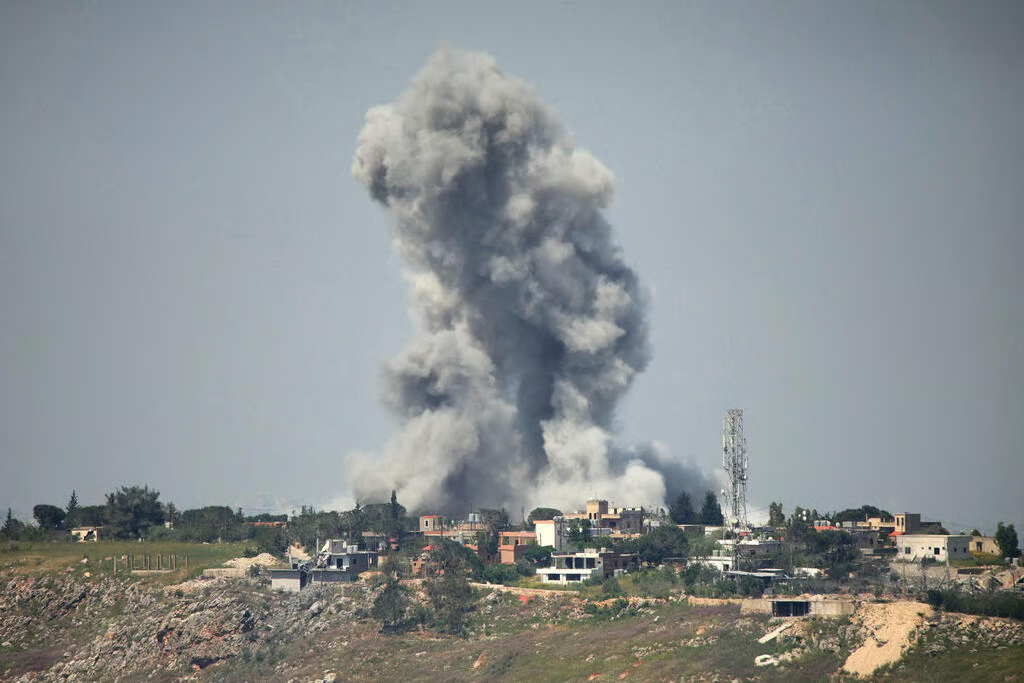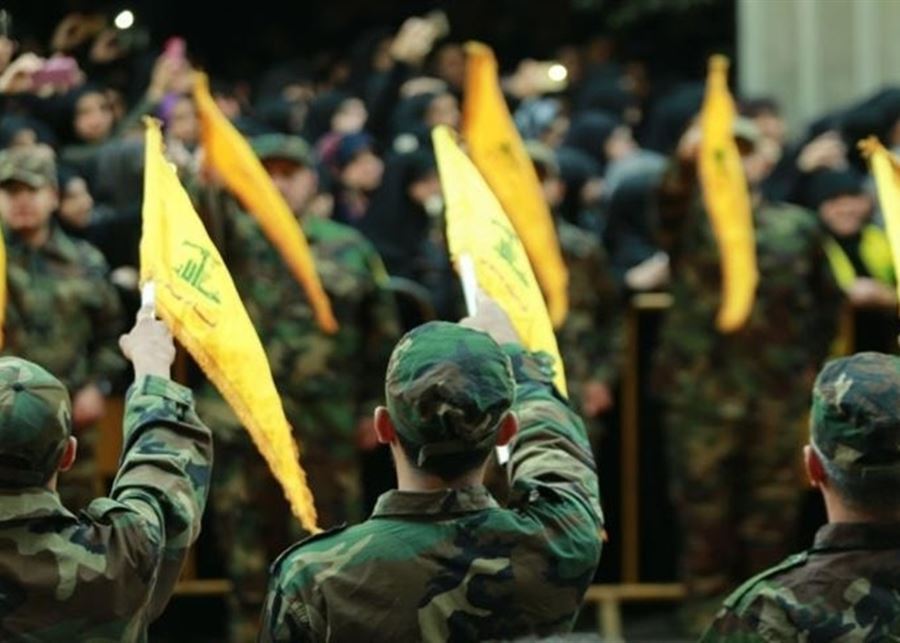
Lebanon's Council of Ministers on March 2, 2026, declared a rejection of military and security actions originating from Lebanese territory outside the country's legitimate institutions. This significant declaration explicitly showed a commitment to national sovereignty and the exclusive authority of the state in matters of defense and security. The government specifically banned Hezbollah's security and military activities, mandating its disarmament. This directive represents a key moment in Lebanon's ongoing efforts to assert full state control over all armed groups operating within its borders. The Council of Ministers further stipulated that Hezbollah confine itself to political activity within constitutional and legal frameworks. This decision outlines a new policy aiming to consolidate state authority over all security matters, reflecting a clear intent to move beyond the complexities of fragmented power structures. The declaration aims to establish a singular, undisputed authority for national defense and security, ensuring that all actions taken in the name of Lebanon are sanctioned and directed by its recognized governmental bodies.
The State's New Stance
The Lebanese Council of Ministers affirmed that the decision for war and peace rests exclusively with the state. This declaration shows the government's intention to centralize authority over security and defense matters, a critical step towards reinforcing national sovereignty. The Council's stance reinforces previous directives that aim to consolidate control over all military and security actions within Lebanon's borders. This policy framework seeks to ensure that critical national decisions, particularly those concerning conflict and resolution, are made solely by legitimate state institutions. The move clarifies the government's position on the ultimate arbiter of national security, aiming to remove ambiguity regarding who holds the power to initiate or conclude hostilities. By asserting this exclusive right, the Council of Ministers is signaling a fundamental shift in the nation's approach to its internal and external security challenges. This centralized control is viewed as essential for fostering national unity and presenting a unified front on the international stage, thereby enhancing Lebanon's stability and its capacity to manage its own destiny without external or internal non-state interference.
International Precedents and Lessons
The international community has long emphasized the importance of state control over all armed groups within a sovereign nation. UN Security Council Resolution 1701, issued in 2006, affirmed that no weapons or armed individuals should be present in the area between the Blue Line and the Litani River, outside the authority of the Lebanese state and UNIFIL. This resolution noted the international expectation for Lebanon to exercise full control over its territory. Separately, UN Security Council Resolution 1559, issued on September 2, 2004, called for respect for Lebanon's sovereignty and political independence. That resolution also specifically urged the disbandment and disarmament of all Lebanese and non-Lebanese militias, setting a clear precedent for the current Lebanese government's actions. These resolutions provide a strong international legal framework supporting Lebanon's efforts to consolidate state authority and disarm non-state actors. They reflect a global consensus that the presence of armed groups operating independently of state control can undermine national sovereignty and regional stability.
In the aftermath of the September 11, 2001 attacks, the United States enacted the USA PATRIOT Act on October 26, 2001. This full legislation significantly expanded the government's surveillance and law enforcement powers, demonstrating a decisive national response to a major security threat. Canada subsequently adopted Bill C-36 – Anti-terrorism Act, which received Royal Assent on December 18, 2001. This Canadian legislation also broadened governmental powers to combat terrorism, reflecting a similar commitment to bolstering national security through legal means. These legislative actions illustrate how other nations responded to significant security challenges by implementing new legal frameworks, prioritizing national security and state authority in times of crisis. Such examples provide a context for understanding the urgency and gravity of Lebanon's current policy decisions, as nations worldwide have historically taken strong measures to safeguard their security and sovereignty.
Crafting Lebanon's Legal Framework
The arrangements negotiated in 2026 linked the gradual Israeli withdrawal from southern Lebanon to the disarmament of Hezbollah and its verification. This linkage established a framework for addressing both territorial disputes and the status of non-state armed actors within Lebanese borders, aiming for a full resolution. The agreement stipulated that as Israeli forces progressively pulled back from southern Lebanon, Hezbollah would simultaneously undergo a disarmament process, ensuring a synchronized and mutually reinforcing path towards peace. Verification mechanisms were an integral part of these arrangements, ensuring compliance with the terms set forth for both parties and building confidence in the implementation of the agreement. These negotiations aimed to resolve long-standing issues by integrating Hezbollah's disarmament into a broader plan for regional stability and Lebanese sovereignty. The agreement marked a significant effort to establish clear legal and operational parameters for all actors involved in the region, providing a structured approach to resolving complex security and territorial concerns. This framework shows the Lebanese government's determination to establish its exclusive authority over all military and security matters, thereby laying the groundwork for a more stable and secure future for the nation.