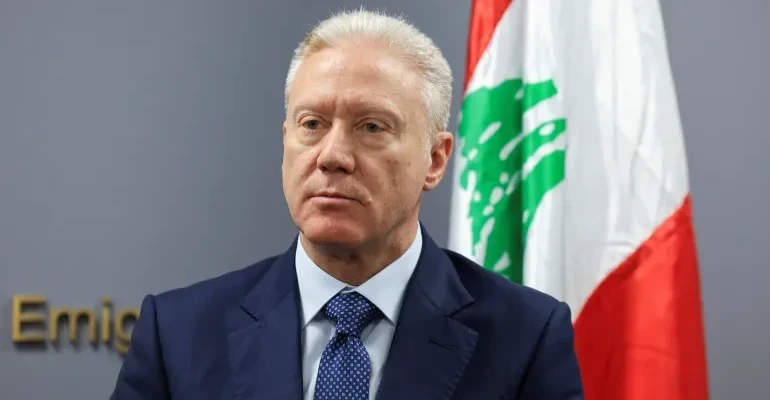
Lebanon's Foreign Ministry welcomed Iranian Foreign Minister Abbas Araghchi’s expressed desire to build positive relations with the Lebanese government. The ministry showed that such engagement must occur through official channels, emphasizing the critical importance of state-to-state interactions. "Lebanon does not accept bypassing its constitutional institutions, just as Iran, or any host country, would not accept a Lebanese ambassador bypassing its official institutions to deal with groups or political forces independently of the state," the Foreign Ministry stated, clearly articulating its position on diplomatic protocols. This statement reinforced Lebanon's insistence that all ties between states must be conducted exclusively through official institutions, respecting the sovereignty and established governmental structures of both nations.
Lebanon's Diplomatic Stance
Lebanon has consistently pursued a policy of openness and constructive relations with other countries, including Iran. This diplomatic approach shows a fundamental principle of its foreign policy, which prioritizes mutual respect and adherence to international norms. Lebanese officials maintained that respect for sovereignty must be reciprocal and cannot be applied selectively in international dealings, asserting that this principle is foundational to stable and productive international relations. The Beirut government emphasized that interactions between nations should always adhere to established state-to-state protocols, ensuring that all engagements are transparent and officially sanctioned. Such an approach, they believe, is vital for maintaining national integrity and fostering genuine cooperation.
Iranian Foreign Minister's Remarks
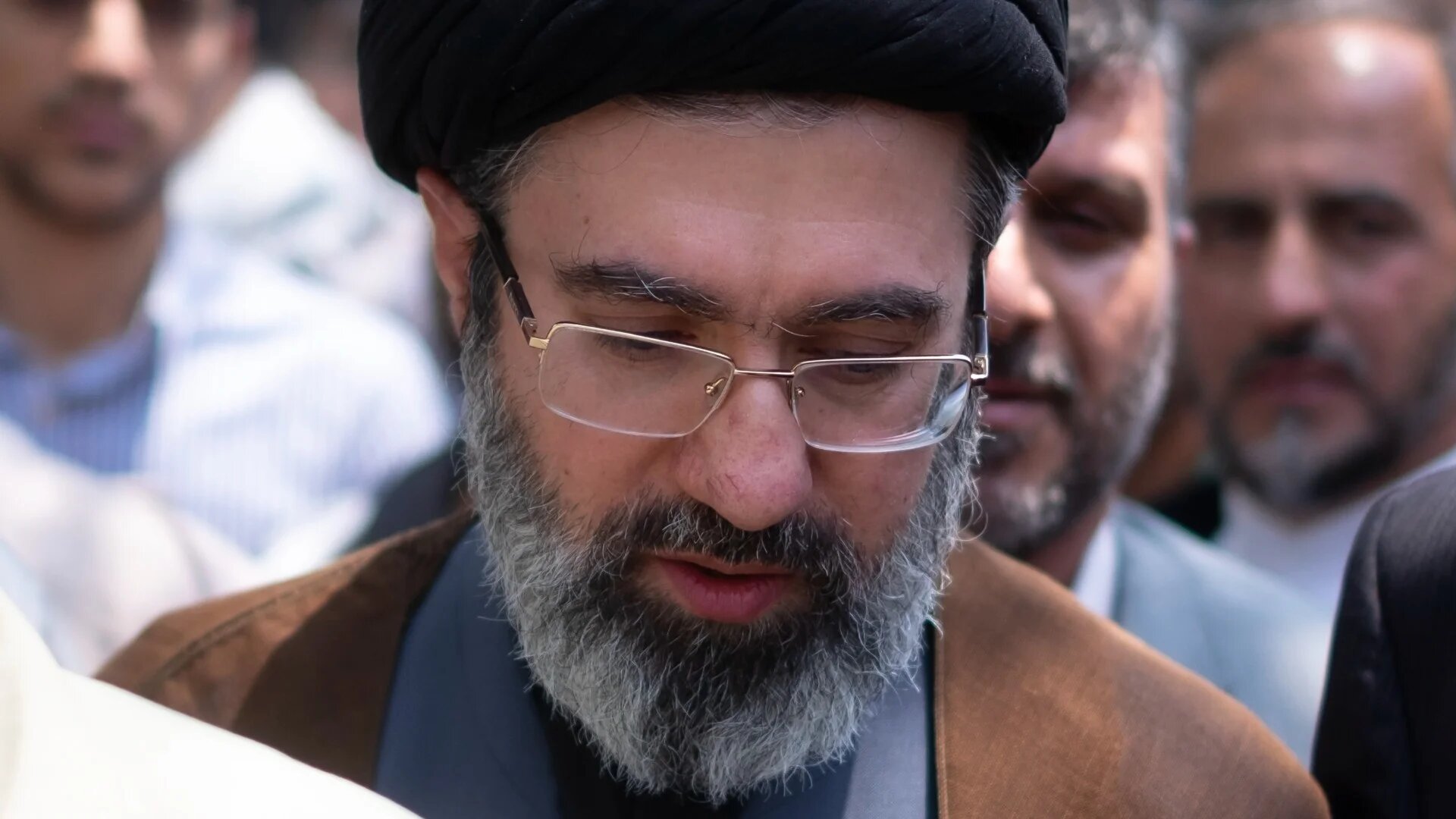
Iranian Foreign Minister Abbas Araghchi stated on Friday that Tehran desires strong relations with all Lebanese groups and political currents, in addition to its ties with the Lebanese government. This declaration noted Iran's broad approach to engagement within Lebanon. Araghchi described Tehran’s foreign policy as one that seeks broader relations with countries across the Muslim world, emphasizing unity and solidarity among these nations. He further elaborated that neighboring states, in particular, hold a significant and particular importance in Iran's foreign policy framework, reflecting a strategic focus on regional stability and partnerships. During his remarks, Araghchi also offered criticism regarding some of Beirut’s policies, indicating areas of divergence in their respective approaches.
Context of Iran-Lebanon Ties
Tehran maintains ties with Hezbollah, a powerful political party and armed group in Lebanon. Hezbollah has historically received significant support from Iran, forming a key component of their bilateral relationship and influencing regional dynamics. The group plays a prominent role in Lebanese politics and maintains an armed wing, which has been a point of contention in regional and international discussions regarding Lebanon's sovereignty and its foreign relations. This long-standing connection shows the complex dynamics between Tehran and various Lebanese factions, influencing the broader geopolitical landscape and often complicating Lebanon's efforts to project a unified foreign policy. The nature of these ties frequently raises questions about the scope of state authority versus non-state actors in Lebanon.
Official Response and Principles
Lebanon stressed that relations between states must be conducted through official institutions, asserting that it does not accept bypassing its constitutional institutions under any circumstances. The Foreign Ministry reiterated its firm stance, stating, "Lebanon does not accept bypassing its constitutional institutions, just as Iran, or any host country, would not accept a Lebanese ambassador bypassing its official institutions to deal with groups or political forces independently of the state." This statement clearly articulated Lebanon's expectation for reciprocal respect for national sovereignty and governmental authority. In response to Lebanon's position, Iranian Foreign Minister Abbas Araghchi, however, expressed hope that Lebanon’s Foreign Ministry would show “greater rationality” in its approach. This notes a divergence in diplomatic expectations regarding the appropriate channels and principles of engagement between the two nations.