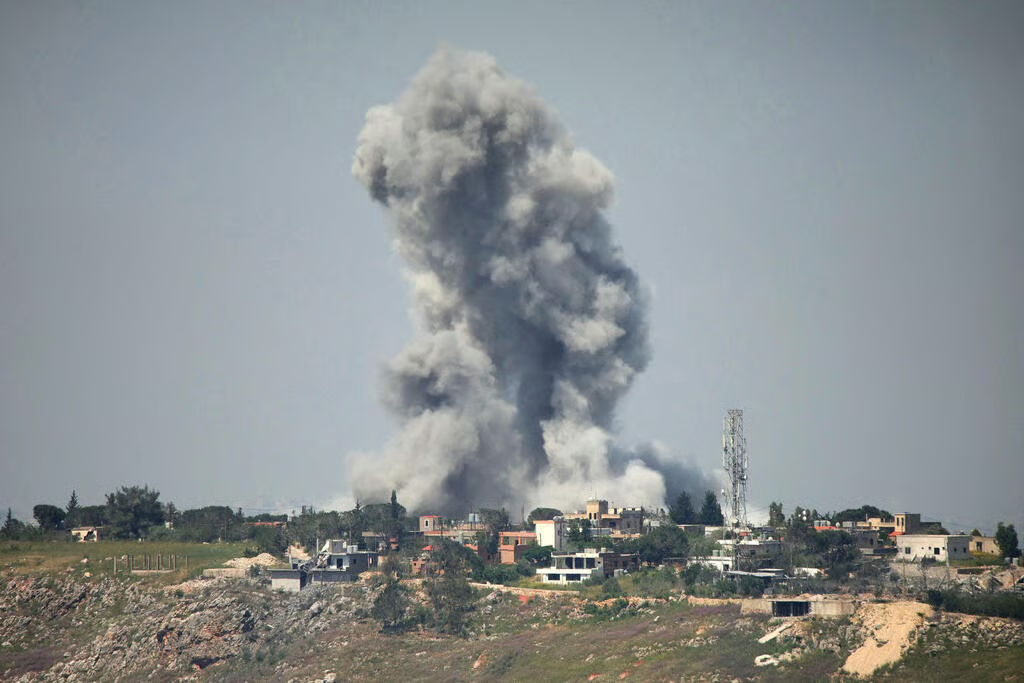
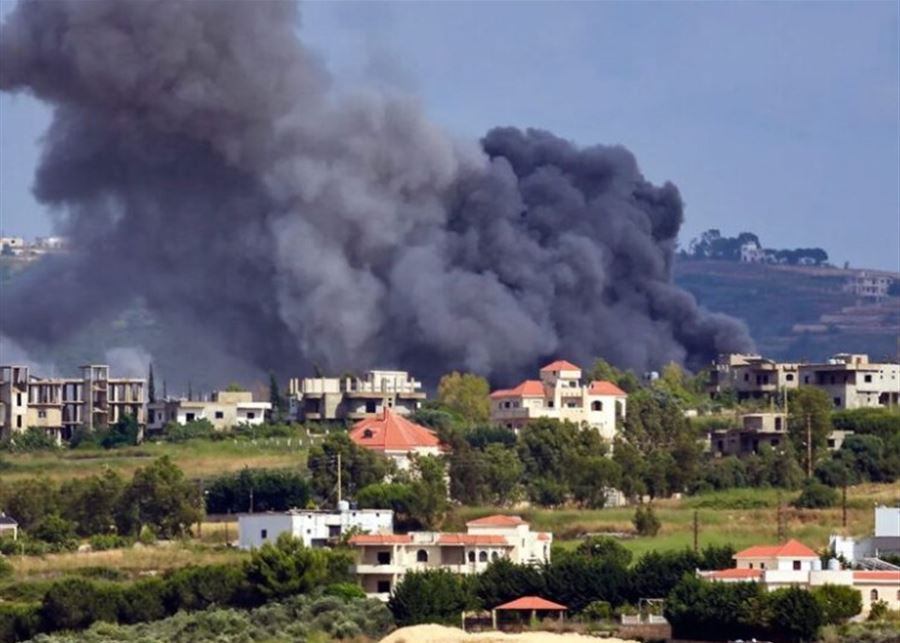
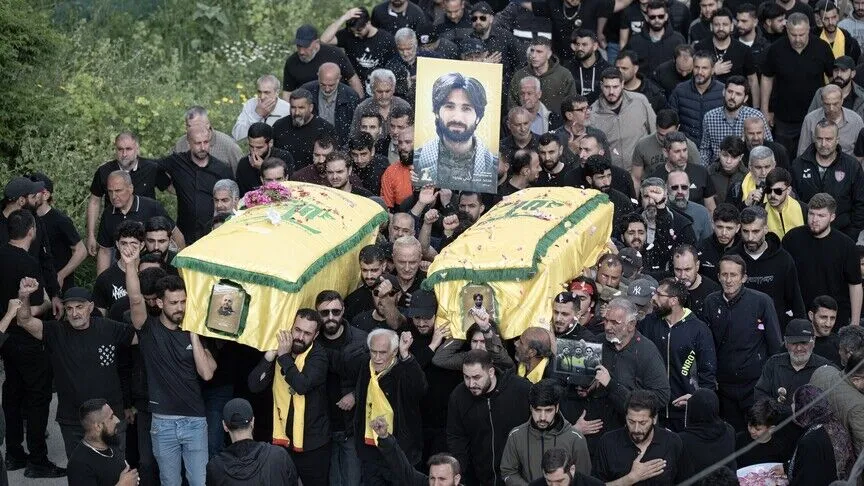
Lebanon's school year is set to begin on September 15, as the latest conflict between Israel and Hezbollah, which commenced on March 2, continues to displace a significant portion of the population. This ongoing conflict, which erupted with heightened intensity, has profoundly impacted daily life across the nation, particularly in southern Lebanon. Around 350,000 people remain displaced across the country, according to the U.N. Humanitarian office, a staggering figure that shows the humanitarian crisis unfolding. The widespread displacement has led to many schools being utilized as shelters, raising critical concerns about the immediate and long-term impact on education for students nationwide. The repurposing of these educational facilities notes the urgent need for shelter while simultaneously jeopardizing the academic future of thousands of children.
Displaced Families Seek Refuge
Approximately 200 families are currently sheltering in a school gymnasium in Tyre, a southern coastal city in Lebanon. These families, like many others seeking refuge, are primarily from villages farther south that have been destroyed or occupied by Israeli forces. The grim reality of their displacement means that homes and communities have been rendered uninhabitable, forcing residents to seek safety wherever it can be found. The displacement has significantly impacted children, disrupting their routines, social connections, and access to education. Among those affected is Fatima Khashab, whose hometown is Mansouri, a village deeply affected by the hostilities. Khashab, reflecting on her current situation, articulated a poignant yearning for normalcy, stating, "I miss a lot of things. I want to go back to school and stay in our own house." Her words encapsulate the profound desire of countless children to return to their familiar environments and resume their education.
The current conflict has disrupted education for hundreds of thousands of children across Lebanon. At the height of the war, some 1.2 million people were displaced within the country, noting the extensive reach and devastating scale of the crisis. This mass movement of people placed immense pressure on existing infrastructure, including schools, which became vital havens for those fleeing violence. The ongoing conflict began two days after Israel and the U.S. Launched a war on Iran, creating a broader regional instability that has intensified the humanitarian situation in Lebanon and complicated prospects for a swift resolution. This wider geopolitical context has amplified the local challenges, making recovery and stability even more elusive. The use of schools as temporary shelters for displaced populations shows the dual challenge of providing immediate safety and ensuring educational continuity, a balancing act that places significant strain on already limited resources.
Education Crisis Looms
The ongoing displacement and conflict have exacerbated an already fragile education system, leading to an estimated at least four years of learning loss for many students. This significant deficit means that a sixth grader may currently be performing at the academic level of a second grader, indicating a severe setback in their educational development. The disruption extends beyond physical schooling, as families residing in shelters frequently encounter internet problems and possess limited resources, hindering effective online learning. This lack of access to reliable internet and educational materials creates an insurmountable barrier for many students, widening the educational gap. Even for those with some access, the chaotic and often overcrowded conditions within shelters are far from conducive to focused study.
At the peak of the current conflict, approximately half of Lebanon’s public schools were repurposed to serve as shelters for displaced populations. This widespread conversion reflects the urgent need for refuge but also notes the systemic impact on educational infrastructure. The sheer number of schools taken out of commission for their primary purpose created an immediate and widespread vacuum in educational provision. The physical damage to schools further complicates recovery efforts. Some 30 schools have been destroyed, and there are currently no allocated funds available to repair them, leaving these vital community assets in ruins. The destruction of schools not only deprives children of learning spaces but also removes a key symbol of stability and hope within communities. The combination of learning loss, inadequate resources for remote education, and damaged infrastructure presents a substantial challenge to the resumption of normal schooling for thousands of children across Lebanon. The long-term implications of this educational crisis could affect an entire generation, impacting their future opportunities and the country's development.
Official Plans and Human Impact
Around 80 schools across Lebanon continue to serve as shelters for displaced populations, impacting the educational infrastructure as the new school year approaches. This continued use of schools as shelters means that a significant number of facilities remain unavailable for their intended purpose, directly affecting the school reopening plans. The repurposing of these facilities has disrupted the schooling of more than 250,000 students, who face ongoing uncertainty regarding their return to regular classrooms. The humanitarian situation remains critical, with some 21,000 displaced individuals still residing in collective shelters, many of which are school buildings. These individuals, having endured prolonged displacement, rely on these temporary accommodations for their basic needs, making their relocation a complex logistical and humanitarian challenge.
The displacement crisis has deep roots for some affected individuals, with certain families having been displaced since the previous Israel-Hezbollah conflict, which escalated into full-scale war in September 2024. This long-term displacement compounds the challenges faced by the country, as these families have experienced multiple cycles of upheaval and loss. Lebanon has endured a series of profound crises since 2019, including a severe economic collapse, the global COVID-19 pandemic, the devastating 2020 Beirut port explosion, and two separate wars. Each of these events has chipped away at the nation's resilience, depleting resources and exacerbating existing vulnerabilities. These compounding events have placed immense strain on the nation's public services, including its education system, which was already struggling before the latest wave of conflict.
Despite these significant obstacles, education officials have reportedly developed a plan aimed at reopening schools for students while simultaneously maintaining the use of some facilities as shelters for those who remain displaced. The details of this plan are expected to address the logistical complexities of balancing educational needs with humanitarian requirements, a task that requires careful coordination and substantial resources. This initiative seeks to mitigate further learning loss and provide some semblance of normalcy for children, even as the broader conflict continues. The success of this plan will depend on various factors, including the availability of alternative shelter solutions, funding for school repairs, and the ongoing security situation. The international community's support will be key in helping Lebanon navigate these multifaceted challenges and ensure that education remains a priority amidst the ongoing humanitarian crisis. The efforts to reopen schools signify a commitment to the future of Lebanon's children, even as the present remains fraught with uncertainty and hardship.