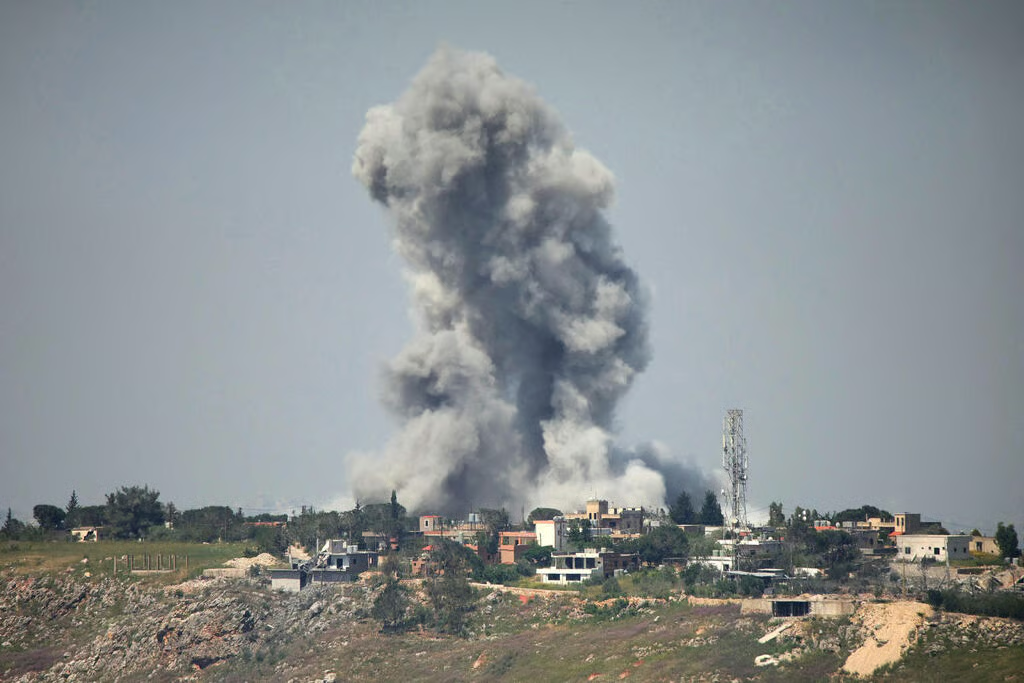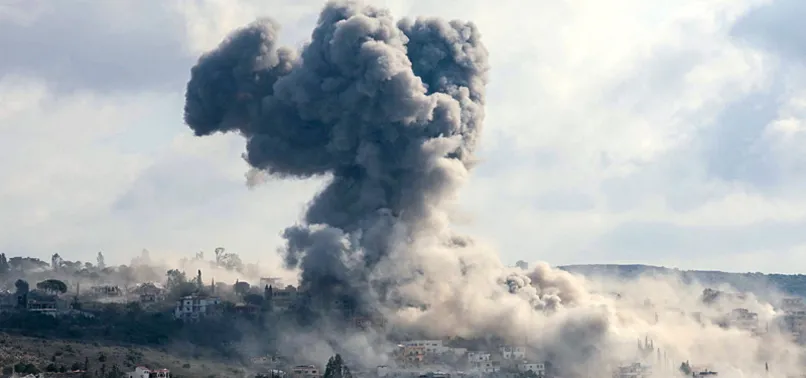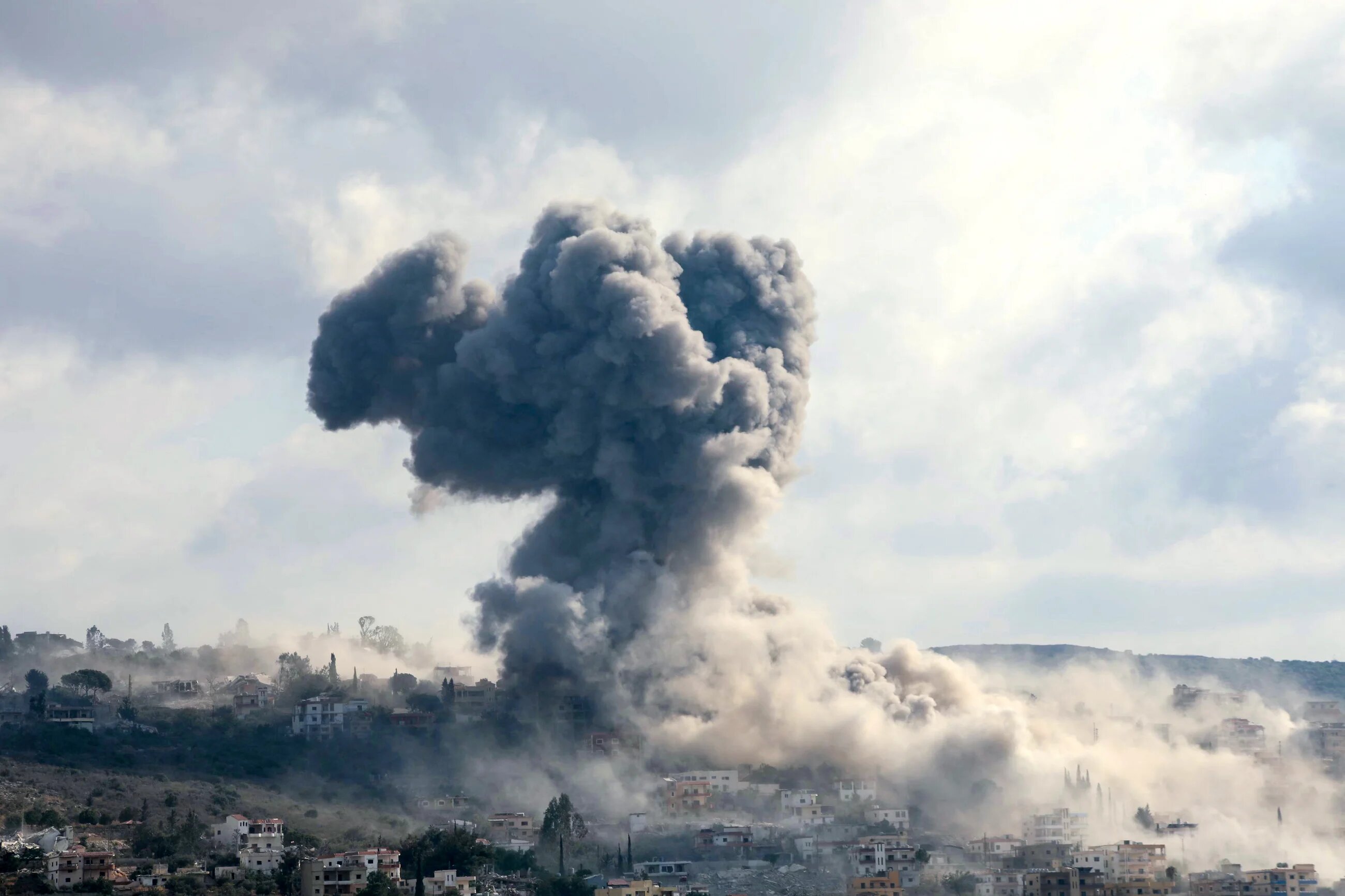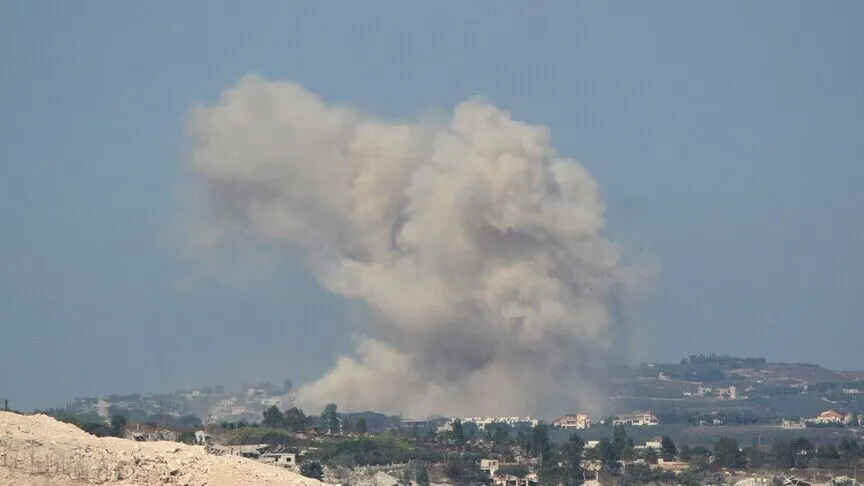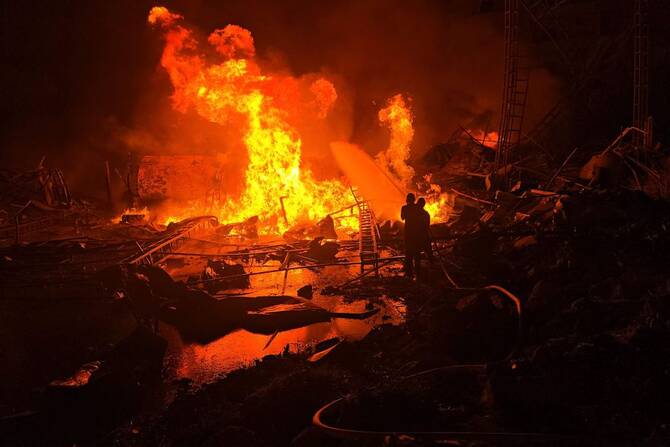
Israeli military operations across Lebanon have resulted in the deaths of 4,352 people since March 2, according to reports compiled by the Lebanon Health Ministry. The ongoing operations have significantly impacted the country, leading to a substantial number of casualties across various regions. These figures show the severe human cost associated with the military actions in the region, reflecting a persistent pattern of violence. The full data released by the Ministry provides a stark assessment of the humanitarian crisis unfolding.
Grave Toll Reported
Israeli military operations across Lebanon have injured 12,318 people since March 2, according to the latest figures released by the Lebanese authorities. The Lebanon Health Ministry provided these statistics, detailing the extensive reach and severity of the casualties. This number adds to the significant human toll reported in the country since the beginning of March, noting a continuous escalation in the need for emergency medical services. The ongoing operations have led to a substantial increase in individuals requiring urgent medical attention, ranging from critical injuries to less severe but still debilitating wounds, across various regions of Lebanon. The figures highlight the severe impact on civilian populations and essential infrastructure, which further complicates the provision of aid. Reports from medical facilities indicate a significant strain on resources, including hospital beds, medical supplies, and personnel, due to the influx of injured individuals requiring immediate care. The full data from the Lebanon Health Ministry emphasizes the continued humanitarian concerns arising from the sustained military actions, calling attention to the urgent need for stability and de-escalation.
Fragile Situation in South
The United Nations Interim Force in Lebanon (UNIFIL) has issued a warning regarding the continued fragility of the situation in south Lebanon, emphasizing the persistent risks in the border area. A statement from UNIFIL noted that "despite lower levels of violence than earlier this year, the situation in south Lebanon remains fragile," indicating that underlying tensions continue to pose a threat to peace. This assessment shows ongoing concerns about stability in the border region, which remains a flashpoint for military engagements. UNIFIL's continuous monitoring efforts provide critical insights into the security dynamics on the ground, informing international efforts to maintain calm.
Between August 21 and August 27, UNIFIL recorded a significant number of projectile trajectories in the area, totaling 1,030. These recorded trajectories indicate persistent military activity despite the reported decrease in overall violence compared to earlier periods, suggesting that localized engagements remain frequent. The monitoring by UNIFIL notes the continued volatile environment in south Lebanon, where intermittent exchanges of fire remain a concern for international observers and local populations alike. The observed projectile movements contribute to the assessment of an unstable security landscape in the southern part of the country, reinforcing the need for vigilance and adherence to international resolutions.
UNIFIL's Cautionary Statement
The Emergency Operations Center of the Ministry of Public Health released the casualty figures in a detailed statement, outlining the profound human cost of the ongoing operations. UNIFIL's monitoring in south Lebanon during the specific period of August 21 to August 27 recorded 1,030 projectile trajectories, illustrating the intensity of military movements in the area. This activity represents an average of 147 projectile trajectories per day within that week, a significant number that points to sustained military engagement. The consistent observation of such movements by UNIFIL indicates persistent military engagement in the region, showing the precarious security situation and the potential for further escalation. UNIFIL continues to urge all parties to exercise restraint and respect the cessation of hostilities to prevent further loss of life and damage.