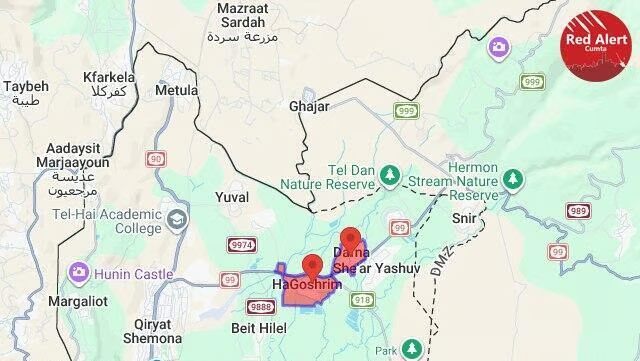
The Lebanese army on Wednesday rejected Israeli criticism regarding its operational conduct in southern Lebanon, following reports from Israel’s public broadcaster. This rejection came after Israel’s public broadcaster reported on Tuesday that there was dissatisfaction with the Lebanese army’s performance in designated pilot areas near the border. This exchange comes after the Israeli military announced early Wednesday that Hezbollah had launched two explosive-laden drones overnight toward Israeli forces operating in the area, escalating cross-border tensions. The Israeli military confirmed that its troops had downed one of the drones launched by Hezbollah, reporting no injuries among Israeli forces during the incident.
Army Defends Its Role and Accuses Israel
The Lebanese army command stated unequivocally that its personnel are committed to their orders and responsibilities, which include defending Lebanon’s sovereignty, safeguarding its security, and ensuring its stability. A Lebanese military source, speaking to Arab News, further elaborated on the army’s position, asserting that the army is actively carrying out its responsibilities both inside and outside the designated pilot areas. This statement directly addressed and rejected Israeli allegations that the Lebanese army was failing to inspect coordinates or that some officers were unwilling to carry out their assigned missions. The source emphasized the categorical rejection of these claims, stating, "This is completely untrue." The military source reiterated the army's active role, adding, "The Lebanese army is carrying out the role assigned to it inside and outside the pilot areas, but it is the Israeli army that is failing to do what it committed to."
The source further accused Israel of actively impeding the return of residents to their homes and obstructing the reconstruction efforts for dwellings that have been destroyed in the ongoing conflict. Additionally, the source alleged that Israel is deliberately blocking the establishment of a key verification mechanism, which would be essential for de-escalation and accountability. "It is preventing residents from returning, preventing reconstruction of destroyed homes and, above all, blocking the establishment of a verification mechanism and rejecting every country proposed by Lebanon to participate in it," the source told Arab News, noting the perceived obstructionist tactics. The military source questioned the practical feasibility of reconnaissance efforts under the current volatile conditions, asking pointedly, "How can the Lebanese army conduct reconnaissance while Israeli missiles are over our heads?" This rhetorical question showed the challenges faced by Lebanese forces given the persistent Israeli military presence and activity.
Meanwhile, the Ministry of Public Health in Lebanon provided a grim update on the overall toll in the country since October 8, 2023. The ministry stated that a staggering 8,920 individuals had died and 30,559 were wounded during this period, reflecting the severe human cost of the escalating tensions and military actions. These figures show the widespread impact of the conflict on civilian populations across Lebanon.
Israeli Actions and UNIFIL Observations
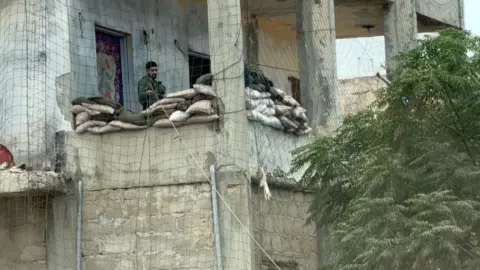
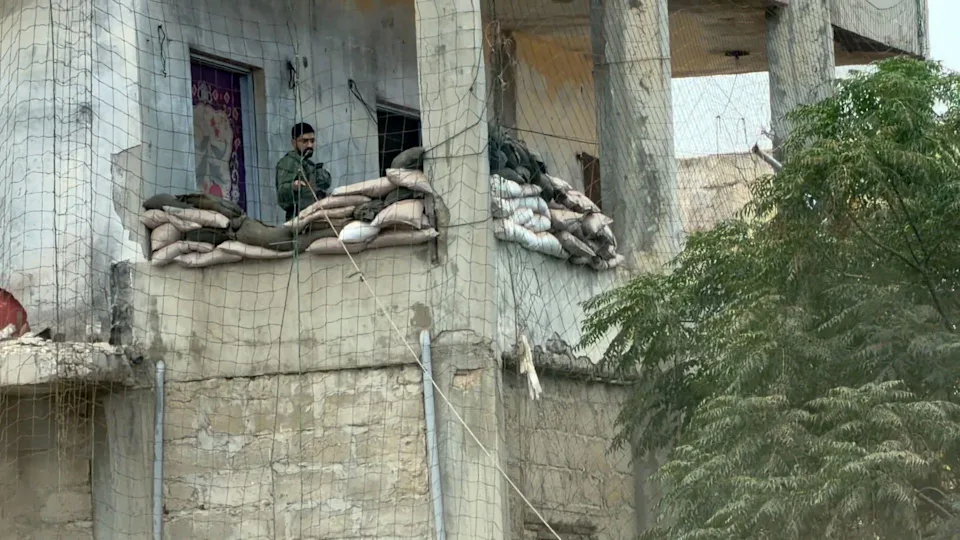
Kandice Ardiel, a spokeswoman for the United Nations Interim Force in Lebanon (UNIFIL), provided observations regarding Israeli military activities in the border region. Ardiel stated that in the past months, UNIFIL has observed the consolidation and fortification of Israeli positions, including the construction of protective infrastructure and other engineering works. These activities suggest a long-term strategic approach by Israel in the area. Ardiel elaborated, "In the past months, we’ve seen the consolidation and fortification of Israeli positions, construction of protective infrastructure and other engineering works." She also noted observations of "what appear to be Israeli civilian personnel carrying out demolition and engineering activities in support of military activities in south Lebanon," raising questions about the nature and scope of Israeli operations. The Ali Al-Taher Ridge in southern Lebanon remains a focal point of Israeli military operations, which reportedly target a purported network of Hezbollah tunnels and underground infrastructure. This ongoing focus suggests a continued effort to dismantle Hezbollah's capabilities in the region.
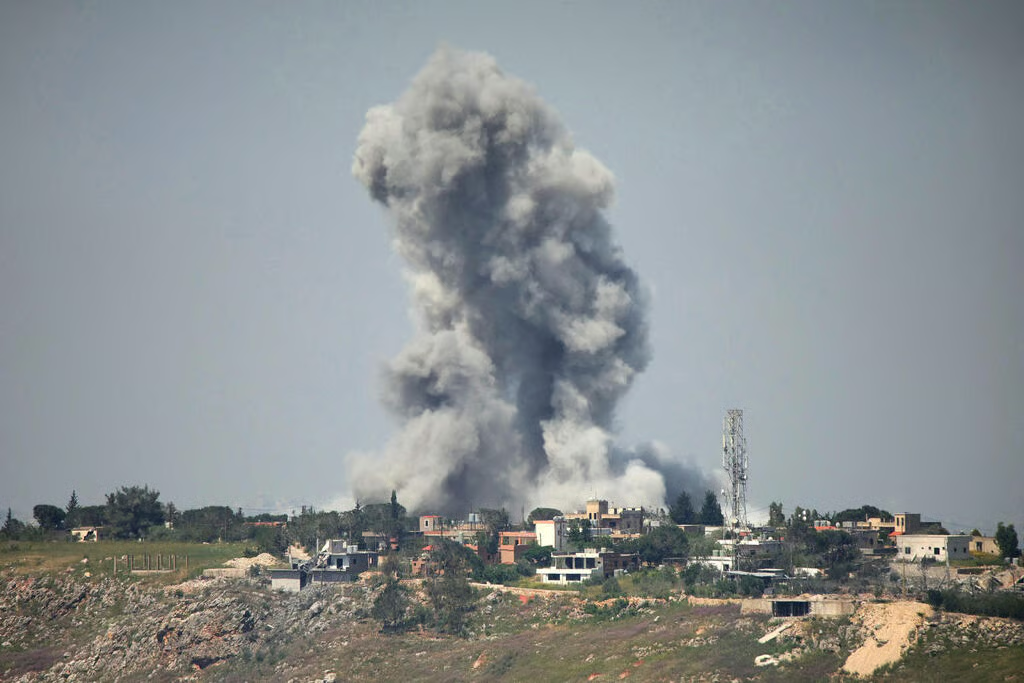
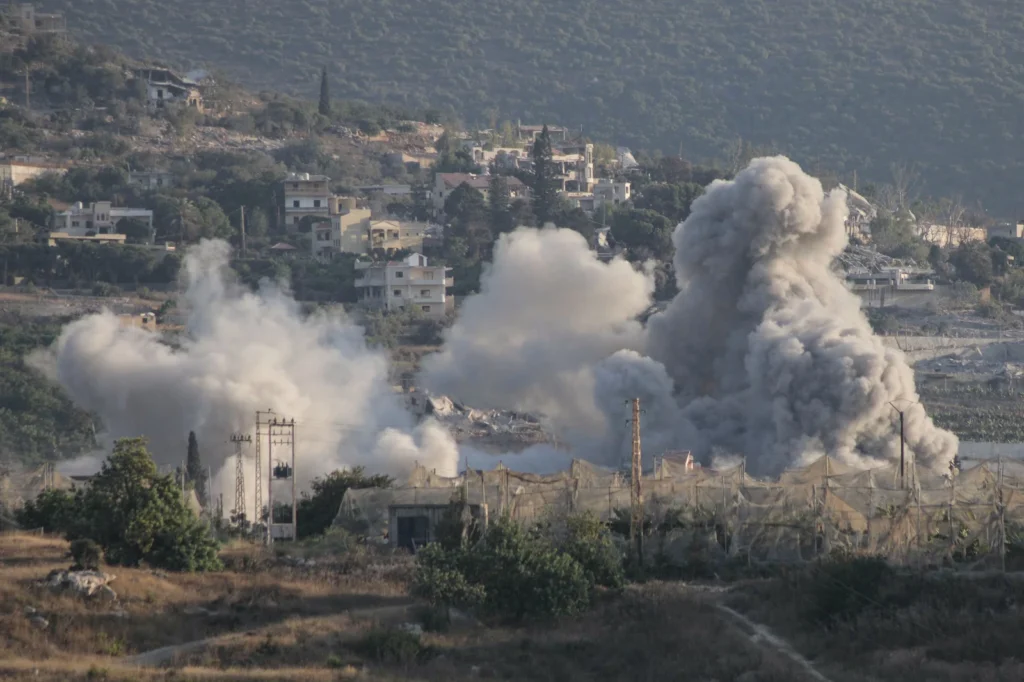
In a separate development that further exacerbated regional tensions, Israel struck a house in a neighborhood of Nabatieh at approximately 4 a.m. This early morning strike resulted in one fatality and one injury, adding to the civilian casualties in the conflict. Lebanese media characterized this bombardment as the most intense in the area since military operations had subsided in June, indicating a significant escalation in the scope and intensity of Israeli actions. The Israeli military confirmed it had struck Hezbollah infrastructure in the Nabatieh area, asserting that these sites were used for planning and directing operations against Israeli forces. Alongside the strike in Nabatieh, Israel also carried out a series of airstrikes on Kfar Rumman, Nabatieh Al-Fawqa, and Arabsalim, indicating a broader campaign targeting multiple locations in southern Lebanon. These strikes further highlight the volatile security situation along the border.
Broader Security Investigations
Kandice Ardiel, spokeswoman for the United Nations Interim Force in Lebanon (UNIFIL), continued to provide insights into the complex situation on the ground. She observed what appeared to be Israeli civilian personnel carrying out demolition and engineering activities in support of military operations in south Lebanon. These observations contribute to the broader understanding of the nature of Israeli activities in the border zone.
Meanwhile, a significant internal security investigation is underway in Lebanon. A Lebanese judicial source informed Arab News that the Internal Security Forces’ Information Branch is actively investigating an alleged organized military network operating clandestinely between Lebanon and Syria. This sensitive investigation is being supervised by Public Prosecutor Judge Ahmad Rami Al-Hajj, indicating the high-level importance and legal oversight of the case.
Investigators have uncovered a network allegedly run by a former Syrian regime general, who is reportedly based in Moscow. This network is believed to be intricately involved in various illicit activities, including the smuggling of people and weapons across the porous Lebanon-Syria border. The network is suspected of arranging military training for various groups. The investigation has already led to the arrest of five alleged core members of this sophisticated network. Among those detained are three Syrian nationals, including Ali Safi, who is identified as a former colonel in the Syrian regime, suggesting a high-level connection to Syrian state apparatus. The other two detainees are identified as Lebanese brothers, indicating a cross-border and multi-national dimension to the alleged network.
Further details from the investigation revealed the alleged operational methods of the network. Investigators found that Syrian members were allegedly brought across illegal crossings on the Lebanon-Syria border, circumventing official checkpoints. Following their clandestine entry, these individuals were reportedly transported to Beirut’s southern suburbs, a known stronghold for certain political and military factions. From there, they were then moved to training camps located in the northern Bekaa region of Lebanon. The Lebanese judicial source stated, providing key insight into the network's objectives, "The detainees explicitly admitted that the camp was established and activated for the purpose of preparing groups to carry out security and military operations in Syria’s coastal region under the supervision of Hezbollah members." This admission links the network directly to Hezbollah and its operational interests in Syria. In connection with the ongoing investigation, security forces have seized a substantial cache of weaponry, including large quantities of assault rifles, high-precision sniper rifles, and numerous hand grenades, showing the military nature and potential threat posed by the alleged network.
Context and Implications of UNIFIL's Role
The United Nations Interim Force in Lebanon (UNIFIL), established in 1978, plays a critical role as the UN peacekeeping mission deployed in southern Lebanon. UNIFIL's mandate is multifaceted, primarily tasked with monitoring the situation along the Lebanon-Israel frontier and supporting the Lebanese Armed Forces in maintaining peace and security. Its presence is vital for observing and reporting on violations, and its observations, as shared by spokeswoman Kandice Ardiel, provide an independent assessment of the escalating activities in the region. The mission's long history since its establishment in 1978 shows the enduring need for an international presence to stabilize the volatile border area.
The overall context of these developments is grim. According to Lebanon’s Ministry of Public Health, Israeli attacks between March 2 and September 1 have resulted in a significant human toll, with 4,353 fatalities and 12,323 injuries. These statistics highlight the continuous and severe impact of the conflict on the civilian population, adding urgency to calls for de-escalation and the establishment of effective verification mechanisms. The ongoing tensions, combined with the detailed observations from UNIFIL and the revelations from the judicial investigation into the cross-border military network, paint a picture of a deeply complex and increasingly dangerous security landscape in southern Lebanon and along its borders. The Lebanese army's firm rejection of Israeli criticism, coupled with its accusations against Israel, reflects the deep mistrust and the entrenched nature of the conflict, making any immediate resolution appear distant. The interplay between military operations, civilian impact, and international monitoring continues to define the precarious situation in the region.