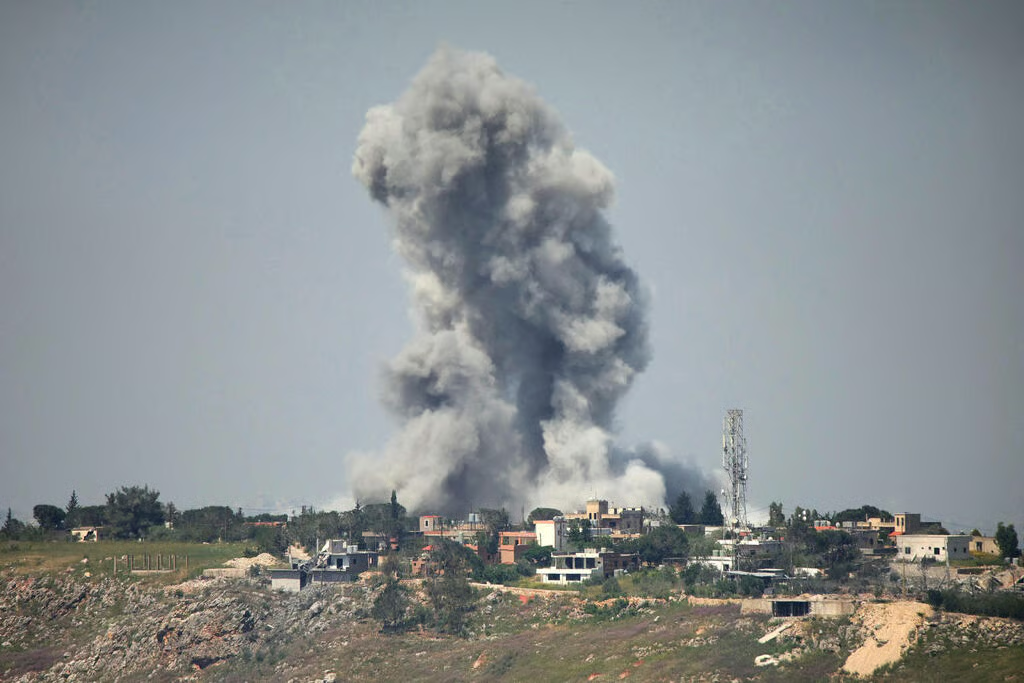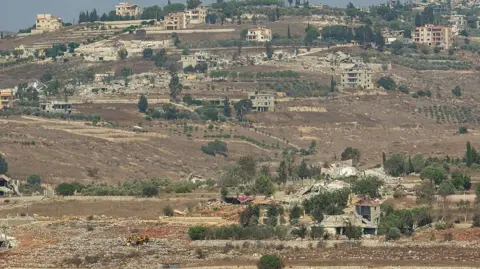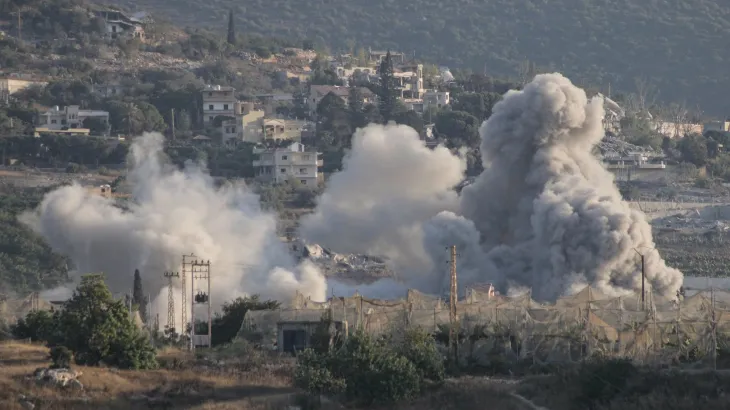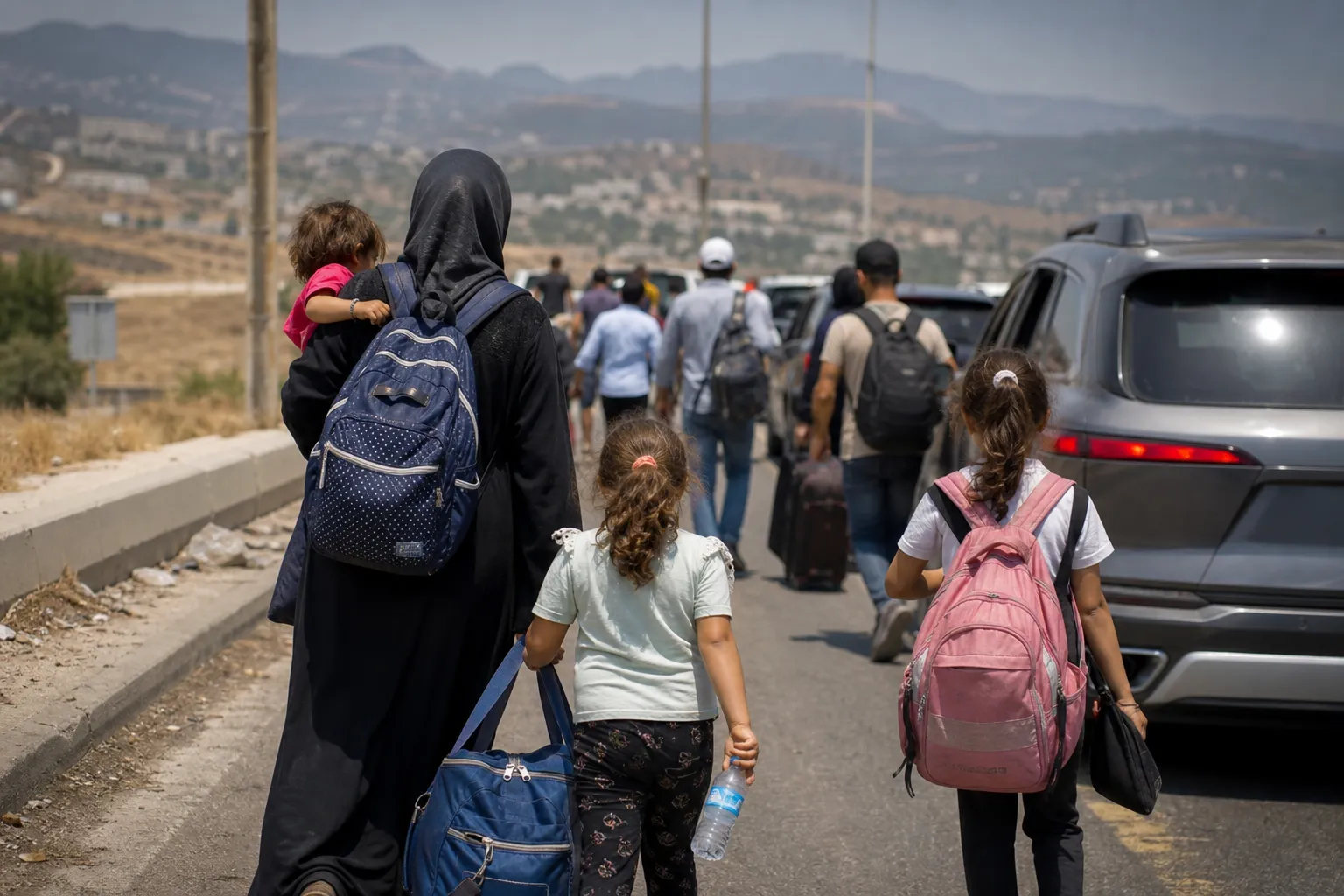
Israeli strikes in southern and eastern Lebanon late on Friday killed at least three people and injured 23, the Lebanese health ministry reported. The attacks occurred despite a truce that was in place between Israel and the Iran-backed Hezbollah militant group, noting the volatile security situation in the region. The Lebanese health ministry confirmed the casualty figures, noting the significant impact on civilian populations.
Targeted Locations and Casualties
The Israeli strikes on Friday impacted five locations across the southern Tyr and Nabatieh regions, as well as the Bekaa region in eastern Lebanon. Lebanon's state-run National News Agency reported that one Israeli strike targeted an area near the strategic Ali al-Taher ridge. This ridge holds significant strategic importance, and its targeting shows the military objectives of the operations. In the city of Nabatieh, two young men were specifically targeted while riding a motorcycle, an incident that drew immediate condemnation. Israel intensified its strikes in the broader Nabatieh region on Friday, indicating a concentrated effort in that area. The village of Rmadiyeh, located in the Tyre area, was also a target of these operations, experiencing significant damage and casualties.
In Rmadiyeh, one person was killed, and 15 others sustained injuries, according to local officials. Among the injured were two children, three women, and six rescuers, who were likely responding to the aftermath of the initial strike. The presence of children and women among the casualties further emphasizes the civilian impact of these military actions. The involvement of rescuers among the injured also points to the hazardous conditions faced by emergency personnel in these targeted areas.
These strikes occurred a day after Israel announced it had taken control of the Ali al-Taher ridge on Thursday. This announcement suggests a potential shift in control over key strategic locations in the border region, which could be a contributing factor to the heightened military activity. The Israeli military has not yet provided specific details regarding the targets or the rationale behind these particular strikes, but the timing relative to the announcement about Ali al-Taher ridge is notable.
Broader Conflict Context
Israel and Hezbollah have been engaged in mutual cross-border fire since March, marking a sustained period of hostilities. This ongoing exchange of fire has led to significant casualties and widespread destruction in border communities on both sides. The conflict has escalated intermittently, with both parties launching rockets and conducting airstrikes. This exchange of fire has led to significant casualties, with Lebanon reporting that Israel's retaliatory actions have resulted in the deaths of more than 4,300 people within its borders. These figures highlight the severe human cost of the conflict, as reported by Lebanese authorities.
Amidst this ongoing conflict, diplomatic efforts have sought to de-escalate tensions. A memorandum of understanding between the United States and Iran was reached in June, alongside a separate framework agreement established between Israel and Lebanon during the same month, aiming to address aspects of the broader regional situation. These diplomatic initiatives were intended to create pathways for reducing hostilities and fostering stability. However, the recent strikes on Friday indicate that these agreements have not yet fully succeeded in preventing further military engagements. The continued violence shows the fragility of the truce and the persistent challenges in achieving a lasting peace in the region. International observers continue to monitor the situation closely, expressing concern over the potential for further escalation.