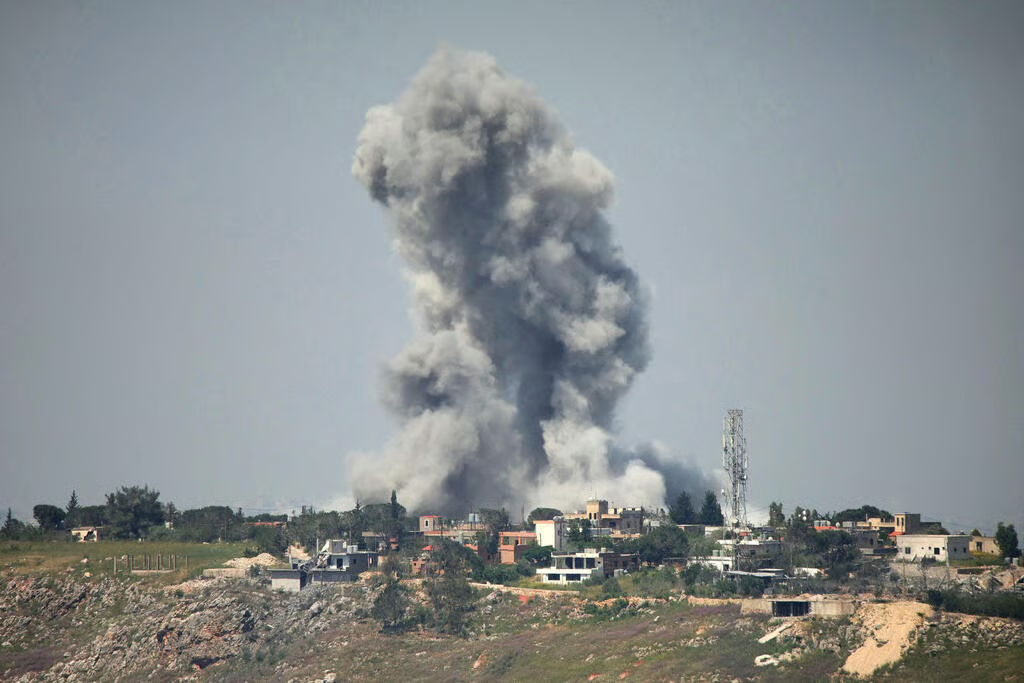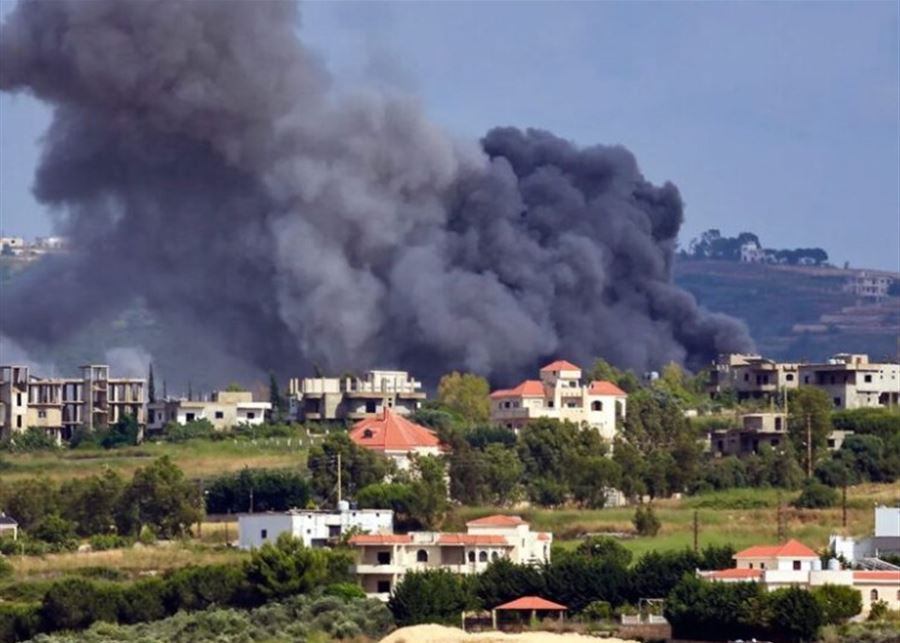
Israeli artillery shelling targeted areas in southern Lebanon's Tyre region overnight and into Monday morning. The bombardments struck Mansouri and Bayt al-Sayyad, both located within the Tyre district. The incident marks the latest reported cross-border action in the area, contributing to an ongoing pattern of military exchanges in the sensitive border zone. The shelling activity, which commenced late Sunday and continued into the early hours of Monday, shows the persistent security challenges faced by communities in southern Lebanon. Such incidents often lead to heightened vigilance among local residents and authorities, as the potential for escalation remains a constant concern.
Shelling Hits Tyre Villages
Israeli artillery shelling targeted areas in southern Lebanon's Tyre region overnight and into Monday morning. The bombardments struck Mansouri and Bayt al-Sayyad, both located within the Tyre district. This specific targeting of the two villages notes the localized yet impactful nature of these cross-border military actions. The incident marks the latest reported cross-border action in the area, a continuation of periodic shelling and military maneuvers observed along the frontier. Residents in these communities often face the direct consequences of such operations, which can disrupt daily life and create an atmosphere of uncertainty. The precise timing of the shelling, extending from late Sunday into early Monday, indicates a prolonged period of military activity rather than an isolated, brief event.
National News Agency Reports
The National News Agency (NNA) reported that Israeli artillery shelled areas in southern Lebanon's Tyre region overnight and into Monday morning. The agency specified that the bombardments impacted Mansouri and Bayt al-Sayyad, both situated within the Tyre district. According to the NNA, the shelling began late Sunday and continued sporadically through the early hours of Monday. This detailed reporting from the NNA provides key local confirmation of the military incident. No immediate reports of casualties or significant damage were available following the strikes on the two villages, which is a key detail often sought by those monitoring the situation. The absence of immediate casualty reports does not, however, negate the underlying tension and potential for harm that such shelling incidents represent for civilian populations. The Lebanese state news outlet has consistently documented cross-border incidents in the region, providing local accounts of military activities and serving as a primary source of information for the Lebanese public and international observers. This report from the National News Agency marks a further instance in the ongoing series of exchanges observed along the border, reinforcing the narrative of persistent cross-border military engagement. The NNA's role in disseminating these reports is vital for understanding the immediate impact and frequency of these events in southern Lebanon.
Ongoing Regional Tensions
The recent artillery barrages in the Tyre region show the persistent volatility along the Lebanese-Israeli border. Mansouri and Bayt al-Sayyad, the targeted villages, have been frequently mentioned in reports detailing cross-border exchanges, indicating their recurrent exposure to such incidents. These incidents contribute to an atmosphere of heightened alert across southern Lebanon, with residents and local authorities monitoring developments closely. The strategic location of these villages within the Tyre district makes them particularly susceptible to the dynamics of border security. The ongoing military activities reflect the broader regional dynamics that continue to influence stability in the area, preventing any sustained period of calm. Such actions maintain a state of tension, characteristic of the prolonged security challenges faced by communities in the border zone, where the threat of renewed hostilities is an ever-present concern. The continuous nature of these events contributes to a climate of apprehension, impacting the daily lives and long-term prospects of those living in these frontline communities. The international community often monitors these developments with concern, given the potential for wider regional destabilization.