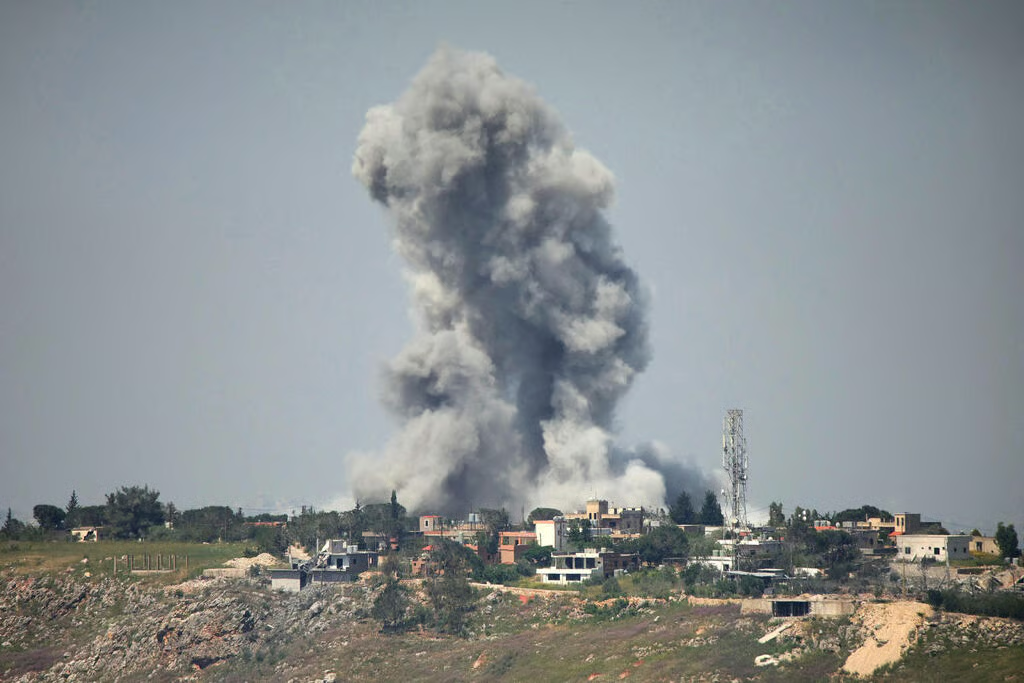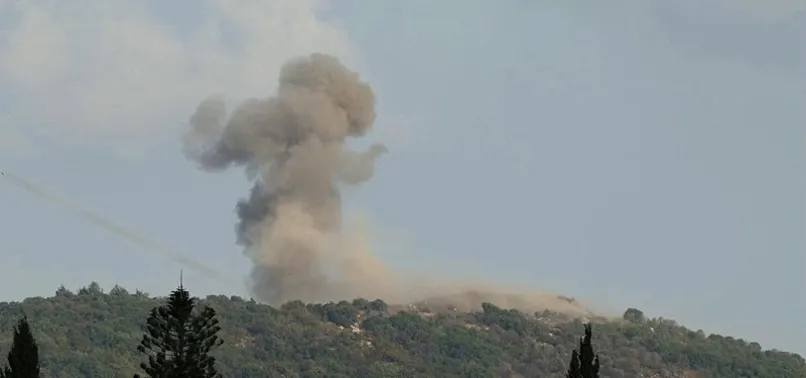
Israeli artillery fire struck the town of Doha Kfar Rumman in southern Lebanon on Sunday morning, marking a significant escalation in the ongoing cross-border exchanges. The incident, which occurred in the early hours, adds to a series of military actions that have heightened tensions in the volatile region. Doha Kfar Rumman, situated in southern Lebanon, is an area that has consistently experienced the direct impact of these exchanges, reflecting the broader instability along the shared border. The strike shows the persistent nature of the conflict and the continuous threat faced by communities in this sensitive zone.
Sunday Morning Strike Intensifies Border Activity
The artillery strike on Doha Kfar Rumman in southern Lebanon took place on Sunday morning, with shells impacting the area. This particular incident involved artillery fire originating from Israel, targeting the southern Lebanese town. The region where Doha Kfar Rumman is located has been subject to increased military activity and frequent bombardments, making such events a recurring concern for local residents. This latest strike is part of a discernible pattern of cross-border exchanges that have become a regular feature of the security landscape between Israel and Lebanon.
Further reports indicated that the town of Hula, also located in southern Lebanon, was reportedly hit by Israeli shelling around the same time on Sunday morning. These simultaneous actions suggest a coordinated series of strikes across the border region. Such incidents contribute significantly to the ongoing tensions along the border, which have seen a marked escalation in recent months. The affected areas in southern Lebanon are frequently subject to these kinds of incidents, noting the precarious and volatile security situation that civilian populations endure. The continuous nature of these strikes has led to increased concern among international observers and local communities alike regarding the potential for further escalation.
Saturday's Broader Attacks Target Civilian Infrastructure
The Sunday morning strikes followed a day of intense military activity on Saturday evening, when Israeli forces conducted strikes on multiple locations across southern Lebanon. These broader actions impacted a range of targets, including critical civilian infrastructure and residential areas. Specifically, the strikes hit a social care home, residential buildings, and open areas, indicating a wide-ranging operation. The targeting of civilian structures raises serious concerns about the impact on non-combatants and the humanitarian situation in the affected regions.
Among the specific targets, a social care home for the elderly located in the southern town of Hula was reportedly blown up by Israeli forces. This particular incident involving a vulnerable population facility shows the severe consequences of the escalating conflict. The destruction of the social care home in Hula adds to the broader pattern of attacks reported in the region that day, illustrating the extensive damage and disruption caused by the military operations. The strikes on residential buildings further displaced and endangered local populations, who often find themselves caught in the crossfire of these exchanges. The impact on open areas also suggests a wide geographical scope for the operations conducted by Israeli forces on Saturday evening.
Reporting and Source: Lebanon’s National News Agency Details Incidents
Lebanon’s National News Agency (NNA) has been a primary source of information, extensively reporting the events unfolding across southern Lebanon. The official agency documented the Israeli artillery strike on Doha Kfar Rumman on Sunday morning, detailing the impact in the southern town and providing immediate updates on the situation. Its dispatches have consistently noted the severity and frequency of these cross-border incidents.
The NNA also provided full accounts of Saturday evening's broader attacks by Israeli forces, which targeted multiple locations across the southern Lebanese landscape. Among these detailed reports was the specific account of the destruction of a social care home for the elderly in Hula, emphasizing the humanitarian dimension of the conflict. The agency's coverage consistently noted the affected areas and the nature of the incidents, providing key factual information regarding the cross-border exchanges. Its consistent and detailed dispatches have been instrumental in relaying the unfolding details of the escalating tensions and military actions in the volatile border region, offering a window into the daily realities faced by communities in southern Lebanon.