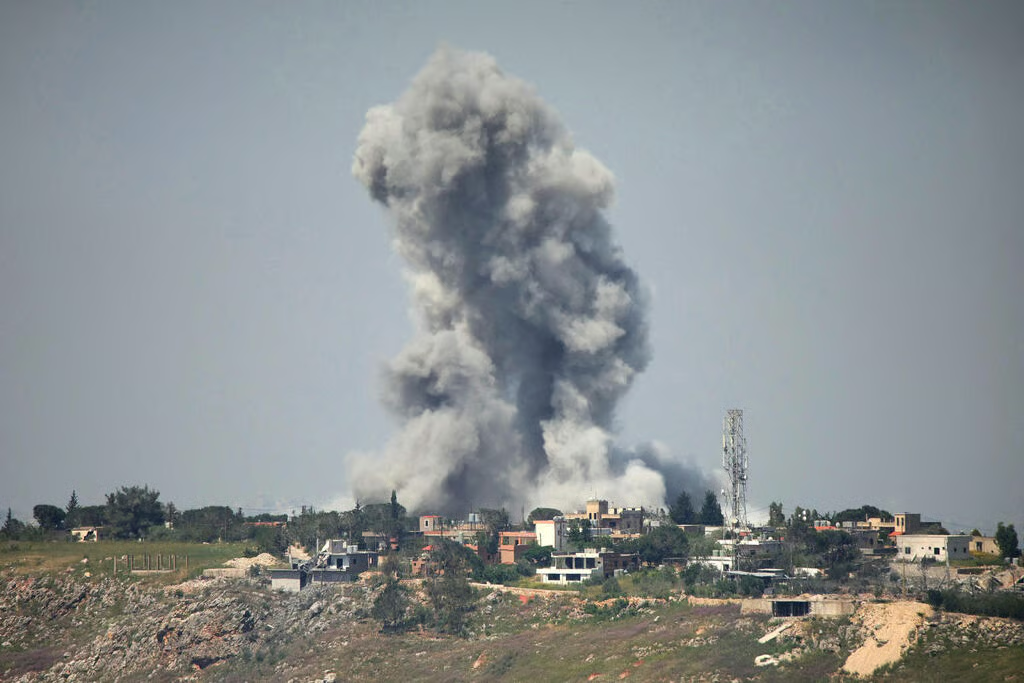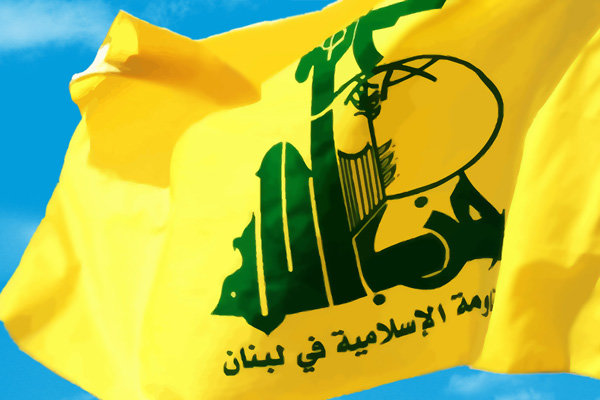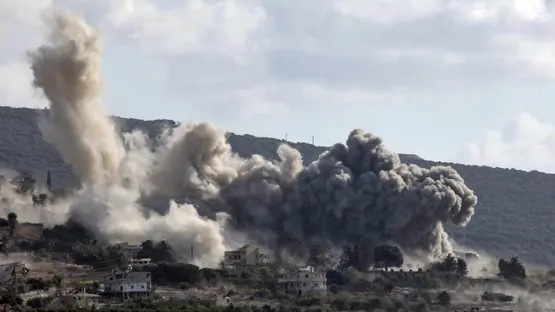
The Israeli military announced on Sunday it was conducting strikes in southern Lebanon after Hezbollah launched drones targeting Israeli soldiers. The military stated that "terrorists from the Hezbollah terrorist organization launched two drones towards IDF soldiers operating in the Security Zone in southern Lebanon." In response to what it called "a blatant violation by the Hezbollah terrorist organization," the Israel Defense Forces (IDF) confirmed it was "now striking in southern Lebanon." The Israeli military also issued a warning to residents of Arab Salim, urging them to evacuate the area ahead of imminent attacks. This warning was issued to residents of the Lebanese village in anticipation of the retaliatory actions.
Hezbollah Drone Attack and Israeli Response
Hezbollah launched two drones targeting Israel Defense Forces (IDF) soldiers operating within the self-declared Security Zone in southern Lebanon. The Israeli military confirmed the drone launch, stating it was directed at troops stationed in the area. Israeli forces are currently operating inside this zone, which extends approximately 10 kilometers (six miles) deep into Lebanese territory along the border. This security zone is a contentious area along the border where Israeli military activities have been ongoing. Following the drone attack, the IDF initiated strikes in southern Lebanon, describing the drone launch as a "blatant violation" by Hezbollah. There were no immediate reports of Israeli soldiers sustaining injuries from the drone incident. The Israeli military had previously issued evacuation warnings to residents in the Lebanese village of Arab Salim in anticipation of its retaliatory actions. The IDF emphasized that its strikes were a direct response to the drone launches by Hezbollah.
Broader Context of Conflict
Lebanon was drawn into the broader Middle East conflict in March after Iran-backed Hezbollah initiated attacks against Israel. These initial attacks marked a significant escalation, drawing Lebanon further into the regional instability. Israel responded to these actions with a series of airstrikes and a subsequent ground invasion into Lebanese territory. The ground invasion followed extensive aerial bombardments aimed at Hezbollah targets. Lebanese authorities report that Israel's military operations have resulted in the deaths of more than 4,300 people within Lebanon. These casualty figures show the severe impact of the conflict on the civilian population and infrastructure. The intensity of the violence between the two sides has reportedly lessened since June, following a memorandum of understanding between the United States and Iran, and a separate framework agreement reached between Israel and Lebanon later that same month. These diplomatic efforts were aimed at de-escalating tensions and finding pathways towards a more stable regional environment. Despite these diplomatic efforts, Lebanese authorities confirmed on Saturday that Israeli strikes had killed four people in the country's southern and eastern regions. This recent incident notes the fragile nature of the de-escalation and the continued presence of hostilities.
Military Communications and Warnings
The Israel Defense Forces (IDF) confirmed it is currently conducting strikes in southern Lebanon. These actions are in direct response to two drones launched by Hezbollah targeting IDF soldiers operating in the Security Zone. The Israeli military had previously issued a warning to residents of Arab Salim, urging them to evacuate the area. This advisory came ahead of anticipated retaliatory actions by Israel following the drone incident. The IDF characterized the drone launch as a "blatant violation" by Hezbollah, showing the immediate nature of its response. The military's statement on Sunday reiterated its commitment to responding to perceived threats from Hezbollah. The ongoing operations within the self-declared security zone are a key aspect of Israel's defensive posture along its northern border.