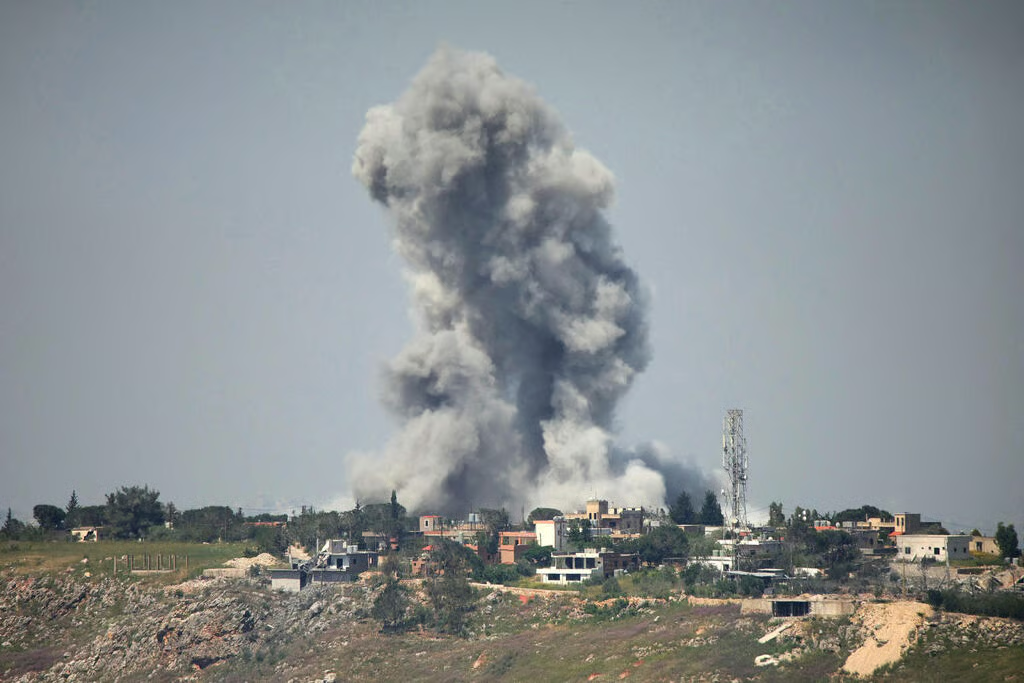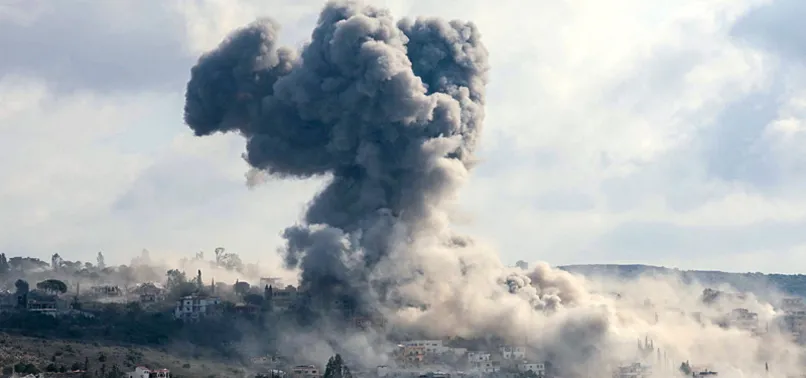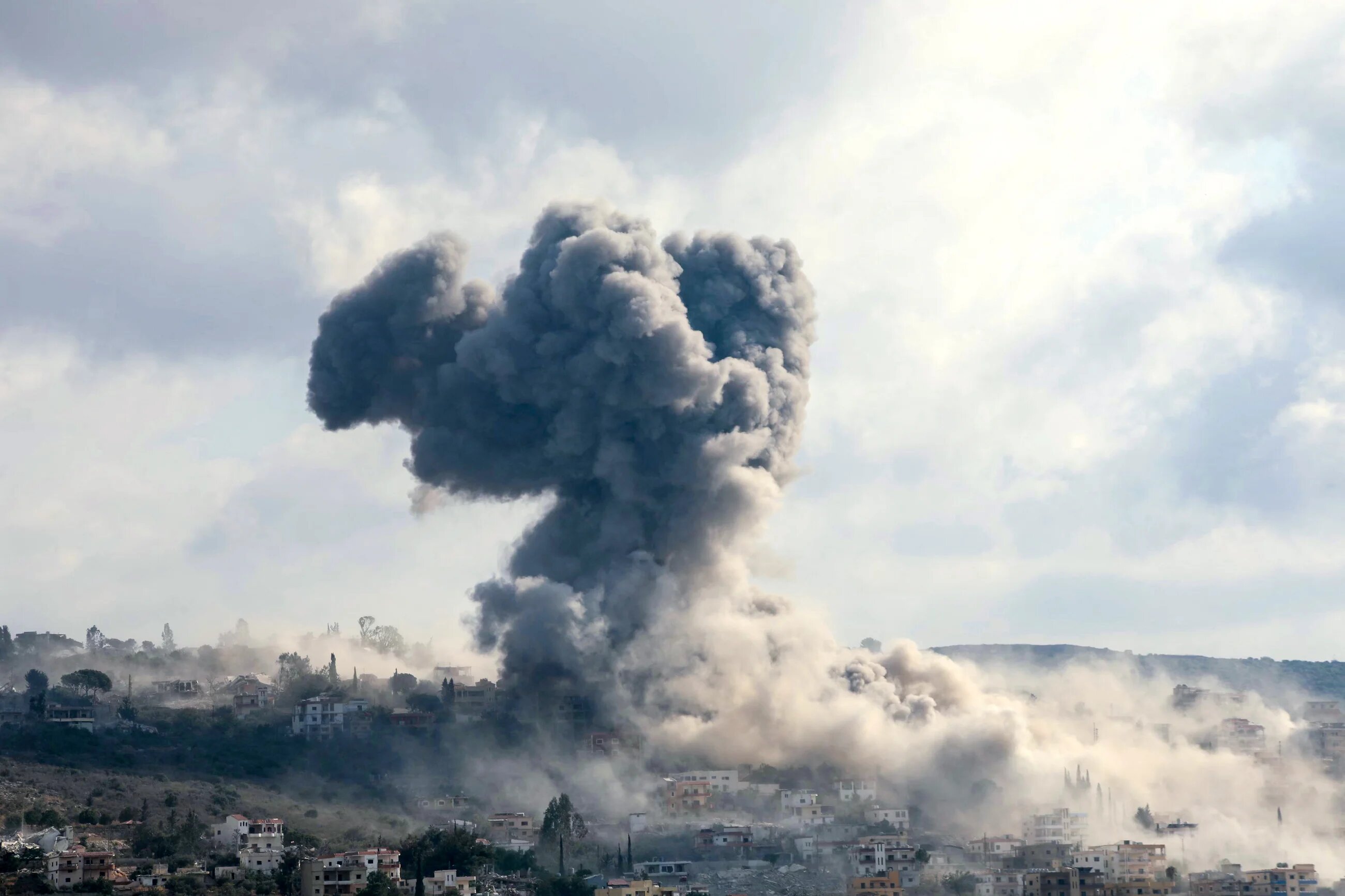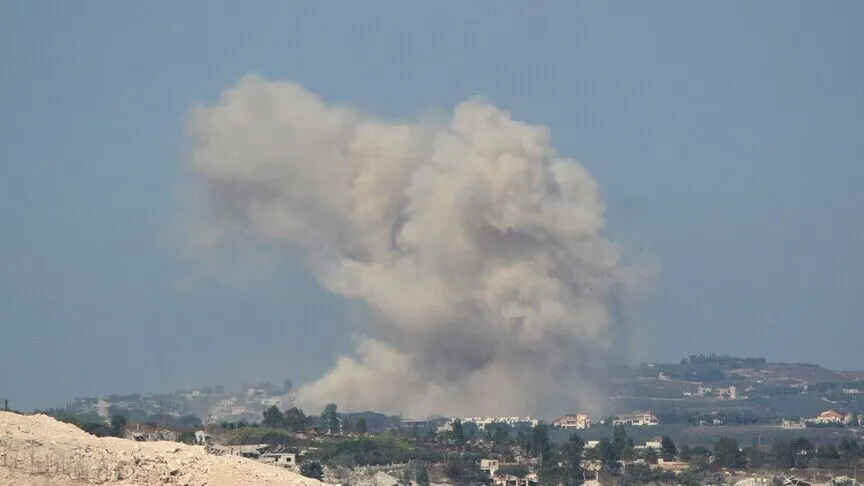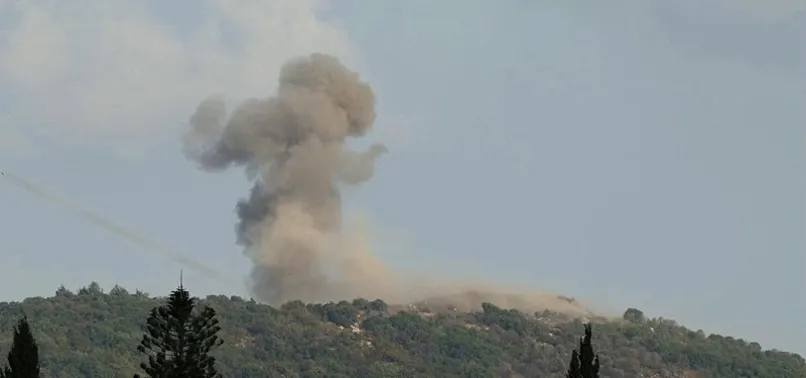
Israel escalated its operations across southern Lebanon on Saturday, conducting a series of airstrikes and incendiary attacks. The actions targeted multiple locations in the country's south, including areas near Nabatieh, Aita al-Jabal, Nabatieh al-Fawqa, and Beit Yahoun. There were no immediate reports of casualties resulting from these new attacks, though the scale of the operations was significant. Further strikes impacted the Al-Deir neighborhood, the Ali al-Taher hills, Zawtar al-Gharbiyah, and Qaaqaiyat al-Jisr. The Bint Jbeil district, including Haris, and Al-Mansouri in the Tyre district were also hit. The broad scope of the attacks indicates a significant expansion of military activity in the region.
Intensified Attacks Across Nabatieh Province
The escalation began in the early morning, with an Israeli drone conducting a strike on the town of Nabatieh al-Fawqa at approximately 8:55 am local time (05:55 GMT). This initial drone operation set the tone for the day's intensified activities. A second Israeli drone strike followed, targeting Nabatieh al-Fawqa again at around 9:40 am local time (06:40 GMT), indicating a sustained focus on this particular area. These drone strikes were part of a larger, coordinated effort. Israeli warplanes subsequently launched a series of airstrikes on an area situated between the Al-Deir neighborhood and the Ali al-Taher hills, located on the northern outskirts of Nabatieh al-Fawqa. This aerial bombardment further intensified the military pressure on the region.
Separately, Israeli forces were reported to have set fire to homes in the southern Lebanese town of Beit Yahoun. This incendiary tactic adds another dimension to the operations, moving beyond aerial bombardment to direct ground-level actions impacting civilian structures. Additionally, two explosions occurred near the outskirts of Aita al-Jabal in southern Lebanon, showing the widespread nature of the military engagements across various communities. The combined effect of drone strikes, warplane attacks, and incendiary actions points to a full operational strategy.
Broader Military Actions and Shelling
Beyond the concentrated attacks in Nabatieh province, Israeli warplanes carried out an airstrike between the towns of Zawtar al-Gharbiyah and Qaaqaiyat al-Jisr as part of ongoing operations in southern Lebanon. This particular strike notes the geographical breadth of the Israeli military's actions, extending to multiple axes within the southern region. Separately, in the Bint Jbeil district, Israeli artillery shelled the town of Haris, according to reports. Artillery fire often precedes or accompanies aerial operations, indicating a multi-pronged approach to military engagement.
Further military actions included warplanes launching two airstrikes on the town of Al-Mansouri, located in the Tyre district. The targeting of Al-Mansouri, a coastal town, demonstrates that the operations were not confined to inland areas but also extended towards the western parts of southern Lebanon. These incidents contribute to the broader pattern of military engagements observed across the region, which has seen frequent exchanges of fire and targeted operations. The consistent reporting of multiple types of attacks across various districts shows the significant increase in military activity on Saturday.
Context on Israeli Stance
Attacks were heavily concentrated in Nabatieh province, according to reports from the region, suggesting a particular strategic focus on this area during Saturday's operations. The Israeli military has not yet commented on the specific operations in Nabatieh province or the broader context of its recent actions in southern Lebanon. This lack of immediate official comment is common during ongoing military operations. However, Israel has previously stated that its operations in southern Lebanon are aimed at targeting Hezbollah infrastructure and capabilities, which it considers a threat to its northern border communities. The Israeli government has consistently maintained that it will respond to any perceived threats originating from Lebanese territory, asserting its right to self-defense. This operational posture follows ongoing exchanges of fire across the Israel-Lebanon border since October, which have seen a significant increase in intensity and frequency. The latest escalation on Saturday appears to be a continuation of this broader pattern of cross-border military activity.