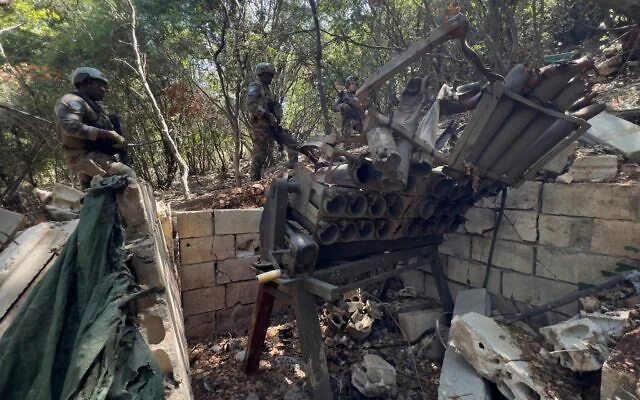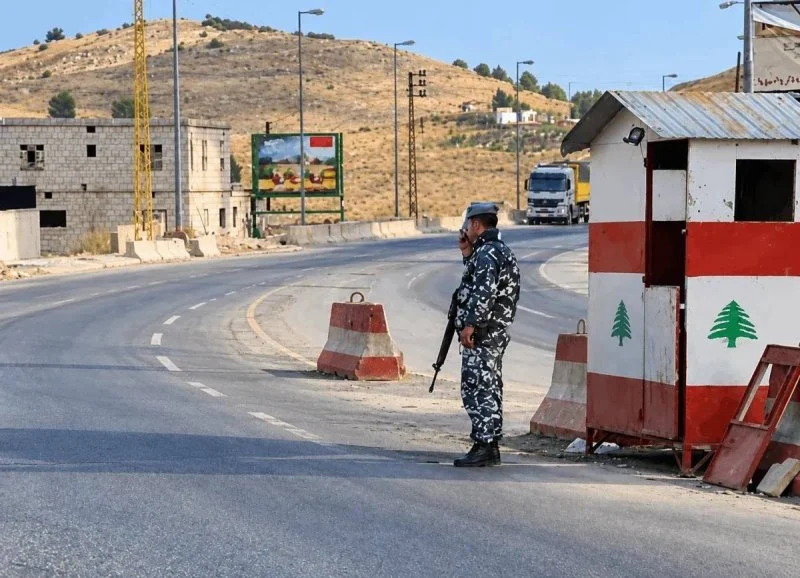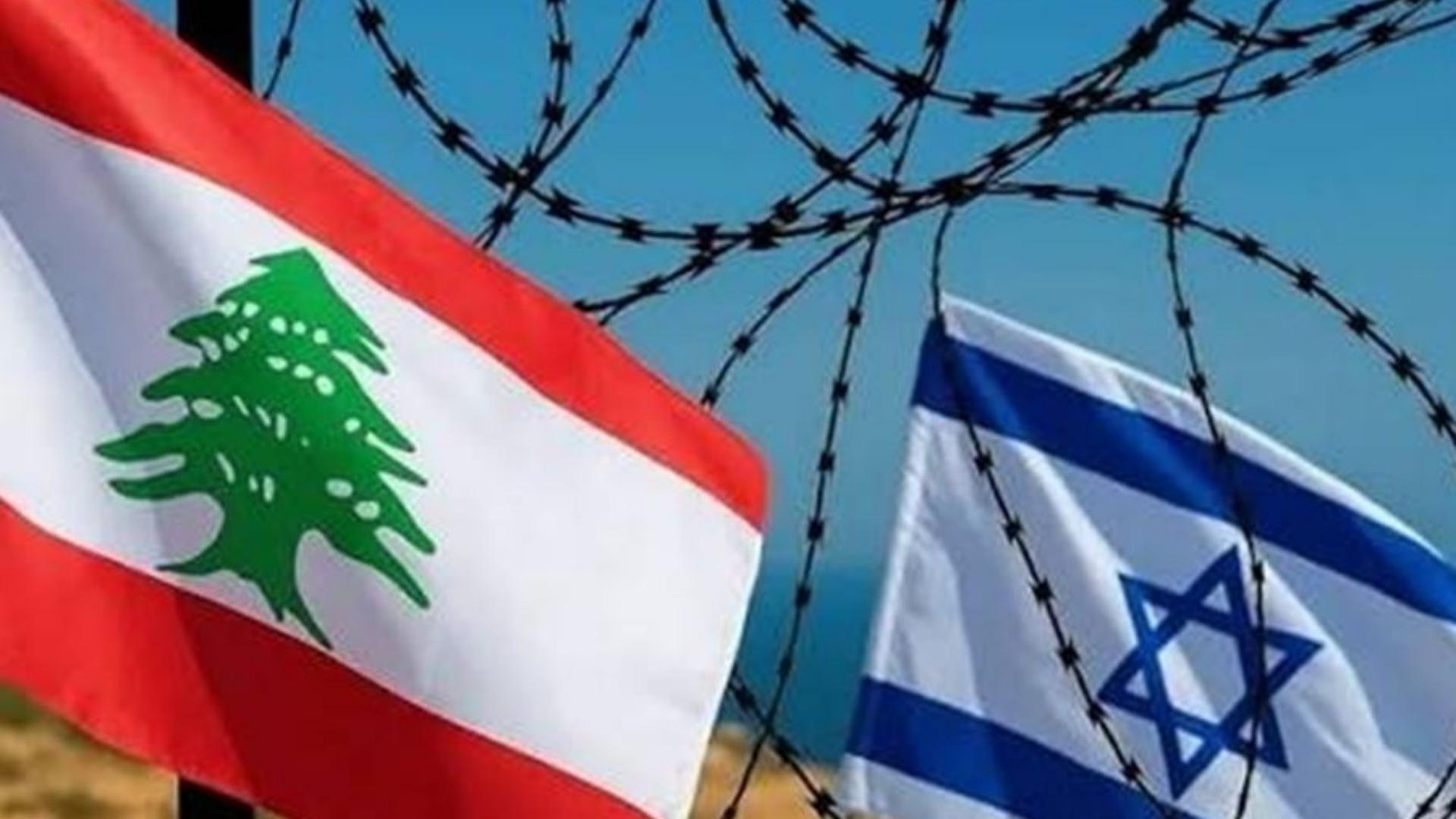
Israel’s recent elections have prompted renewed scrutiny regarding the future of national security policy and the stability of the border with Lebanon. Political shifts within the government in Israel raise questions about the potential for a resumption of armed conflict between Israel and Lebanon.
The article questions how the results of Israel's elections will affect Lebanon, as the transition of power and the formation of a new cabinet remain central to the nation's strategic outlook. As the political landscape in Israel adjusts to the latest electoral data, the article raises the possibility of whether war between Israel and Lebanon could resume, given the precarious nature of the current security environment.
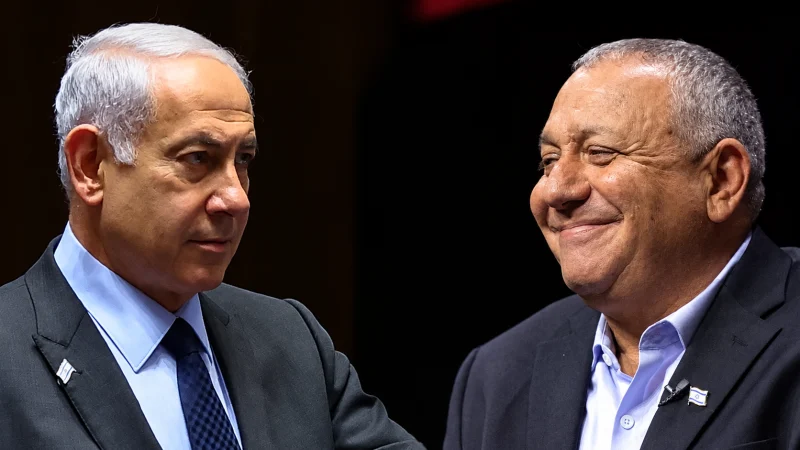
Benjamin Netanyahu and Gadi Eisenkot maintain distinct approaches to security and military strategy that could alter the government's stance toward its northern neighbor. The article notes potential policy differences between Benjamin Netanyahu and Gadi Eisenkot, which serve as a critical focal point for those monitoring the region's stability. While Benjamin Netanyahu has historically emphasized a specific doctrine regarding northern border defense, Gadi Eisenkot brings an alternative perspective shaped by his military background and strategic priorities.
Analysts observe that these policy differences between Benjamin Netanyahu and Gadi Eisenkot may dictate whether current border tensions escalate into a broader war or remain contained. The strategic divergence between these two figures suggests that the internal decision-making process within the Israeli government will be a defining factor in how the state addresses threats emanating from the Lebanese border. Should the administration prioritize a hardline military posture, the risk of direct confrontation may increase; conversely, a more cautious approach could seek to maintain the status quo through diplomatic channels and deterrence.
The outcome of the electoral process serves as a primary indicator for how Israel intends to manage diplomatic and military relations with Lebanon in the coming months. Because the security of the northern frontier is inextricably linked to the broader national security agenda, the specific directives issued by the new government will be closely watched by international stakeholders. The interplay between the legislative mandate secured in the recent elections and the existing military infrastructure will determine the trajectory of Israel’s foreign policy.
The public discourse surrounding these electoral results reflects a broader uncertainty regarding the longevity of current security arrangements. As the government finalizes its policy framework, the specific roles assigned to key figures like Benjamin Netanyahu and Gadi Eisenkot will be instrumental in executing the state's security objectives. The alignment—or lack thereof—between their respective strategies will likely influence the deployment of resources and the intensity of patrols along the border. Ultimately, the stability of the region remains contingent upon the policy decisions made in the wake of the electoral process, as the government navigates the complex security challenges presented by its relationship with Lebanon. The coming period of governance will be characterized by the need to balance domestic political expectations with the imperative of maintaining national security along the northern border.