A highway along the Mediterranean coast in southern Lebanon, near the border with Israel, is currently desolate, as observed in the region. This desolation extends for miles, a stark indicator of the ongoing military activities and the displacement of civilian populations. Around a dozen Israeli flags mark the beginning of occupied territory a few minutes south of the town of Naqoura, clearly indicating Israel's expanded presence and control. In this occupied area of southern Lebanon, observers noted the construction of new service roads by Israel, alongside significant movement of Israeli soldiers. These new roads facilitate logistical operations for the military, allowing for easier access and movement within the contested zone. Residential buildings in the vicinity are also reportedly being utilized by Israeli military personnel, transforming civilian structures into military outposts.
Escalating Presence and Destruction
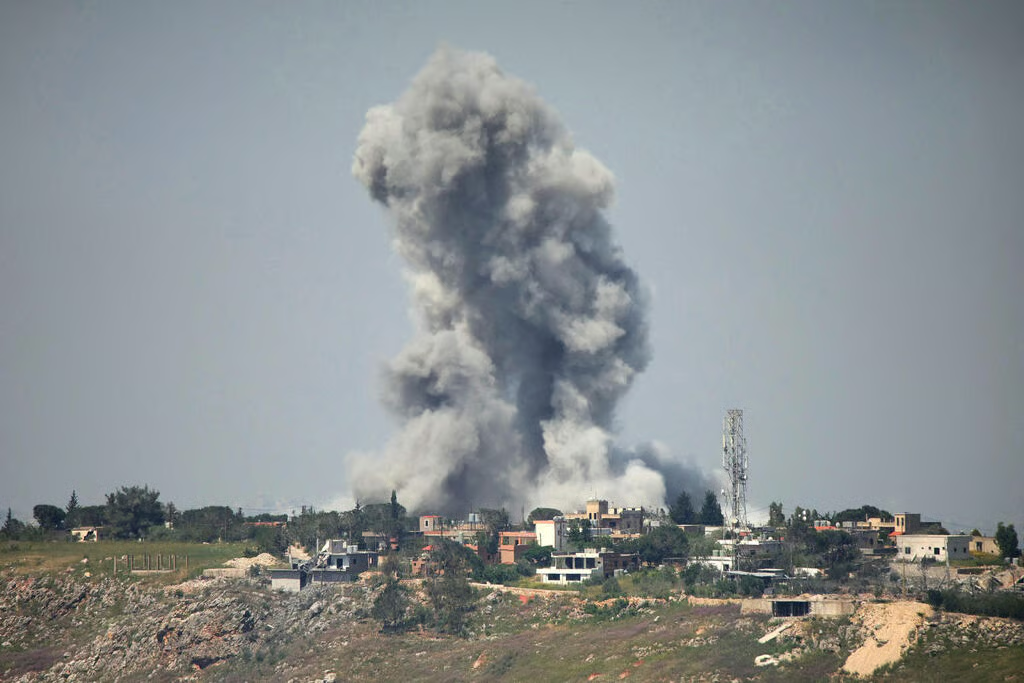
Buildings destroyed by Israeli air strikes stand in ruins across southern Lebanon, reflecting the extensive damage inflicted upon the region. These ruins are a testament to the intensity of the conflict and the destructive power employed. Israel has reportedly flattened entire villages in southern Lebanon, a severe measure that has led to widespread displacement and loss of civilian infrastructure. Israel has continued both air strikes and demolitions even after a ceasefire was announced in June, raising concerns about adherence to the agreed-upon cessation of hostilities. The continuation of such actions shows the volatile nature of the situation despite diplomatic efforts.
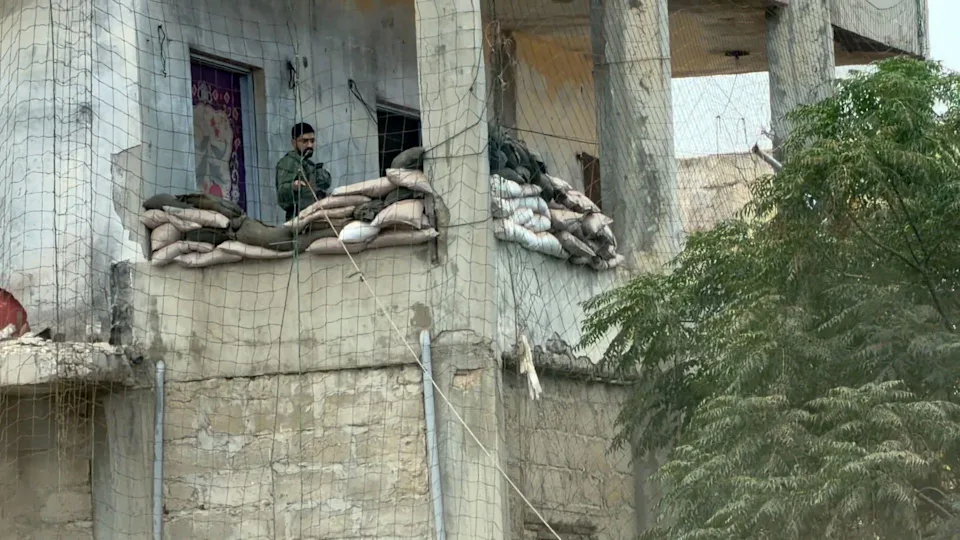
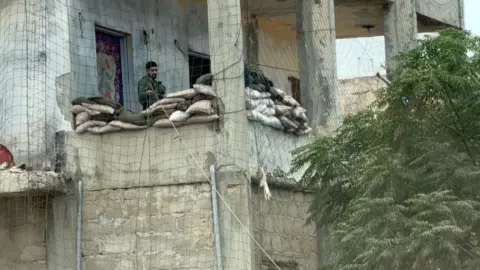
Residential buildings currently being used by the Israeli military in southern Lebanon are covered in netting, a protective measure implemented to shield them from potential attacks by Hezbollah drones. This detail notes the persistent threat perception and the tactical adaptations made by Israeli forces in the area. In the occupied areas of southern Lebanon, residents have reported the constant presence of Israeli surveillance drones overhead, indicating widespread monitoring of the territory. Alongside this aerial surveillance, distant explosions, possibly stemming from demolitions, have been heard by locals, adding to the atmosphere of unease and ongoing military activity.
Unifil reports indicate that the Israeli military has established four new bases in invaded areas, significantly expanding its footprint. This brings the total number of its operational bases in southern Lebanon to nine, marking a substantial increase in military infrastructure. Following the 2024 war against Hezbollah, Israeli forces remained entrenched in five specific points in southern Lebanon, a move that observers noted violated the terms of the conflict-ending deal. This continued presence, despite the ceasefire agreement, has been a point of contention and a source of instability.
Context and Ceasefire Dynamics
The land controlled by Israel in southern Lebanon constitutes approximately 5% of Lebanese territory, extending up to 10 kilometers from the international border. This significant territorial hold is central to Israel's strategic objectives in the region. Israeli officials have articulated an aim to establish a "security zone" designed to protect northern Israel from potential threats, including Hezbollah rockets and drones, as well as the possibility of invasion. This stated objective frames Israel's continued military operations and occupation as a defensive necessity.
Southern Lebanon is recognized as the heartland of Lebanon's Shia Muslim community, which serves as Hezbollah's primary support base. This demographic reality shows the deep-seated political and social complexities of the conflict, as military actions in the region directly impact a community closely aligned with the militant group. This region has experienced three invasions by the Israeli military in wars against Hezbollah over the past two decades, illustrating a recurring pattern of conflict and Israeli incursions. The most recent Israeli invasion of southern Lebanon commenced in March, occurring after Hezbollah launched rocket fire following the killing of the Iranian supreme leader. This event marked a significant escalation, drawing international attention to the renewed hostilities. A BBC team accompanied a Unifil humanitarian mission last month to visit areas in southern Lebanon that are currently under Israeli control, observing conditions on the ground and providing independent verification of the situation.
A preliminary agreement for a cessation of violence in Lebanon was announced in June by the United States and Iran, signaling a diplomatic effort to de-escalate the conflict. However, Lebanon's military has subsequently recorded over 5,000 Israeli violations of this June ceasefire deal. These reported violations encompass a wide range of military actions, including air strikes, drone attacks, shelling, and near-daily incursions beyond the Yellow Line, which demarcates the withdrawal line established after previous conflicts. The sheer volume of these alleged violations notes the fragility of the ceasefire and the persistent military tension.
Humanitarian Impact and International Scrutiny
Near the town of Naqoura, a Lebanese military checkpoint remains the last visible sign of the state's presence in the area, showing the extent of Israeli control further south. Entry into the occupied territory in southern Lebanon is severely restricted, with reports indicating that no one can enter unless authorized by Israel. This control over movement significantly impacts the lives of local residents and humanitarian access. While Hezbollah has refrained from attacking Israel since the June ceasefire, the group has reportedly targeted Israeli troops positioned within Lebanese territory, indicating ongoing skirmishes despite the broader cessation of hostilities.
A Unifil convoy, led by Finnish troops, was observed escorting civilians to and from Christian villages situated near the border. This humanitarian effort notes the plight of civilians caught in the conflict zone and the role of international peacekeepers in facilitating their safety and movement. Human rights groups have voiced serious concerns, stating that some Israeli actions in southern Lebanon constitute deliberate destruction of civilian infrastructure. These groups suggest that such actions could be considered a possible war crime, prompting calls for international investigation and accountability.
Hundreds of thousands of Lebanese citizens remain displaced from their homes and face profound uncertainty regarding their return. The scale of displacement represents a significant humanitarian crisis, with long-term implications for the affected populations. The Israeli military has responded to these accusations by stating that destroyed buildings were utilized by Hezbollah for military purposes, thereby justifying their destruction as legitimate military targets. The military asserted that its operations were conducted in accordance with international law, defending its actions against allegations of war crimes.
Future Prospects and Stalemate
Israeli Defence Minister Israel Katz instructed the military to "take all necessary steps to prepare for a long-term presence in the area," signaling Israel's clear intent for its continued military operations and occupation. This directive indicates a strategic decision to maintain a strong military posture in southern Lebanon for an extended period. Israel has conditioned any withdrawal from Lebanon on the disarmament of Hezbollah, a demand that the Lebanese government reportedly cannot enforce without the group's consent. This condition creates a significant diplomatic impasse, as Hezbollah maintains considerable political and military autonomy within Lebanon.
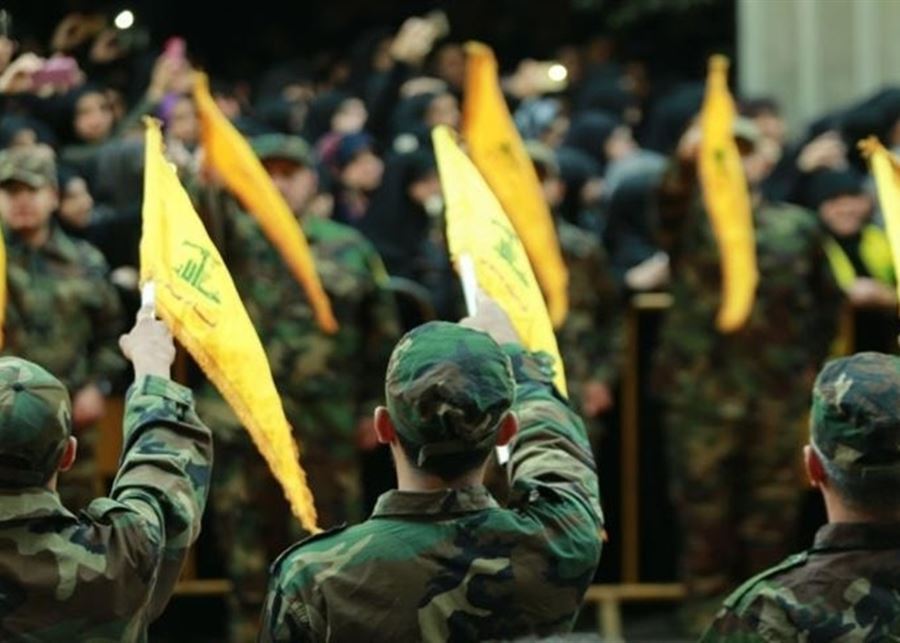
Hezbollah's leader, Naim Qassem, has explicitly rejected disarmament talks, calling them "surrender with humiliation," and maintains that discussions can only occur after a full Israeli withdrawal from southern Lebanon. This stance firmly places the onus of withdrawal on Israel before any negotiations regarding Hezbollah's arsenal can commence. Israel, in turn, claims that the Lebanese national military has not taken sufficient action to disarm Hezbollah, further complicating the prospects for a resolution. This accusation suggests a lack of confidence in the Lebanese state's capacity or willingness to control Hezbollah. A proposed plan for "pilot zones" in the region, intended to de-escalate tensions and potentially pave the way for a resolution, has not progressed. Observers anticipate no significant changes on this front before the Israeli election scheduled for late October, indicating a period of continued political and military stalemate. The upcoming election introduces an additional layer of uncertainty, as potential shifts in Israeli leadership could influence future policy regarding southern Lebanon.