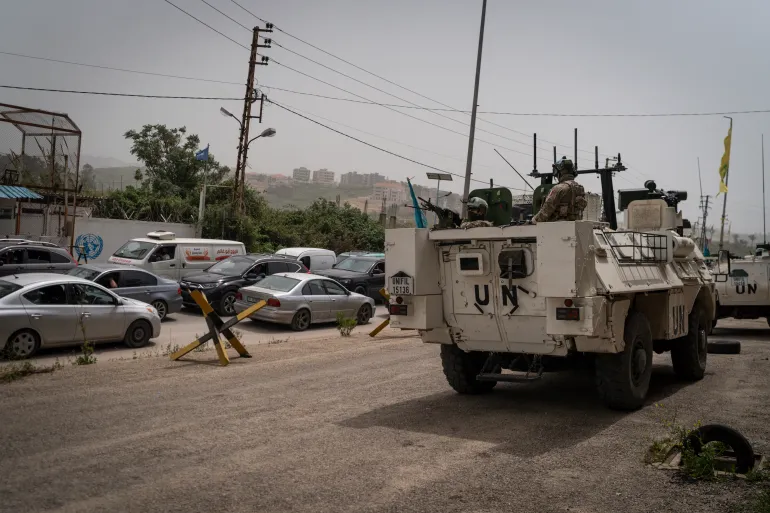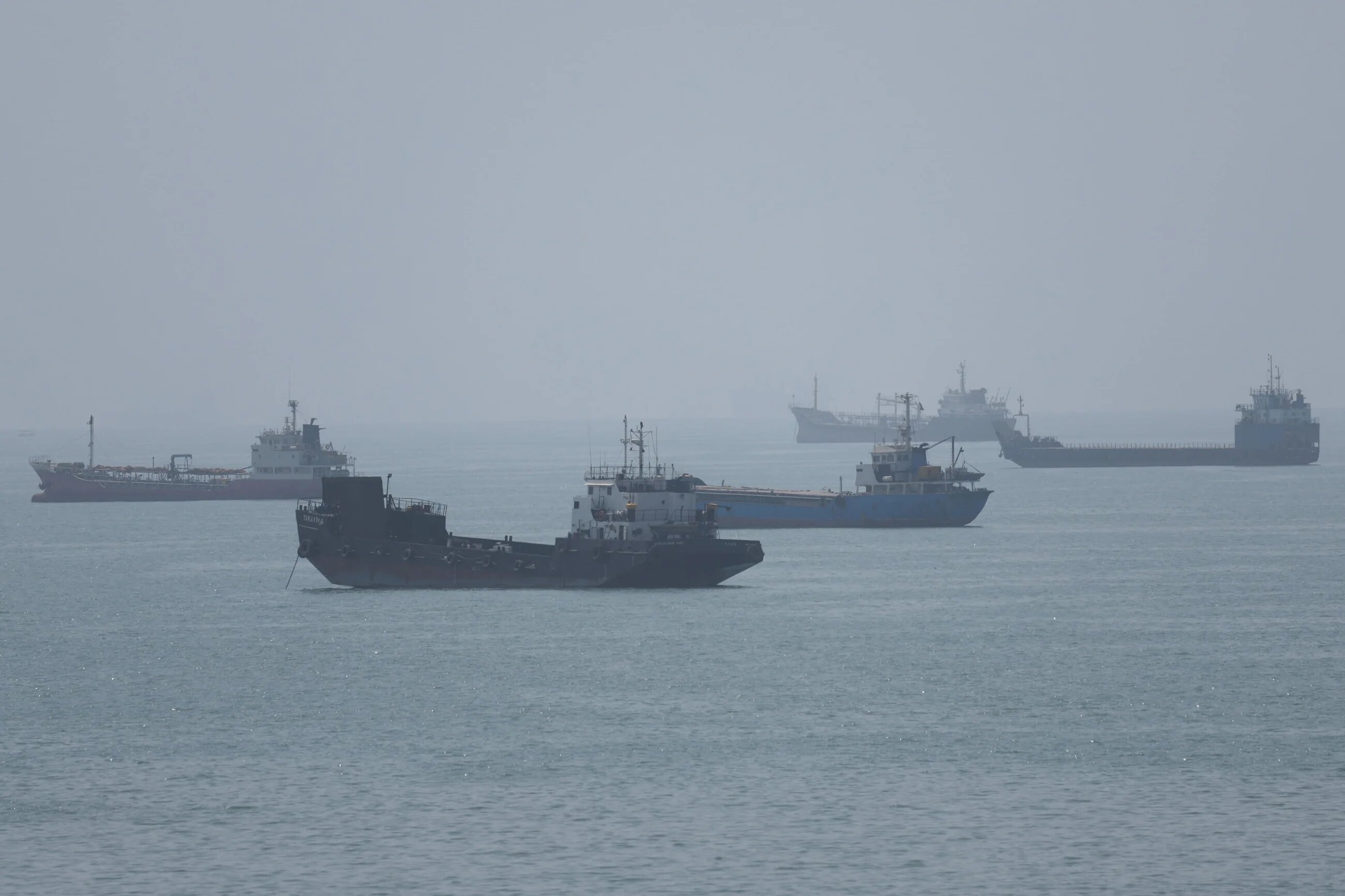
Israel has established a security zone in southern Lebanon, consolidating control over an area that constitutes approximately 5% of Lebanese territory and extends up to 10km (six miles) from the border. The most recent invasion began in March, following Hezbollah's rocket fire into Israel after the killing of the Iranian supreme leader. This military action marked a significant escalation, leading to a substantial shift in the geopolitical landscape of the border region. A BBC team joined a UN peacekeeping force (Unifil) mission last month to visit the Israeli-controlled area, where the highway by the Mediterranean is desolate, marked by abandoned crops and destroyed buildings. The visual evidence from the ground painted a stark picture of the impact of the ongoing conflict and occupation. Around a dozen Israeli flags signify the start of the occupied territory a few minutes south of Naqoura, clearly demarcating the newly controlled zones. This expansion has led to significant changes in the landscape and daily life near the border, profoundly affecting local communities and infrastructure. The establishment of this security zone represents a considerable territorial gain for Israel, encompassing a vital strip of land along its northern frontier.
Escalating Israeli Military Presence
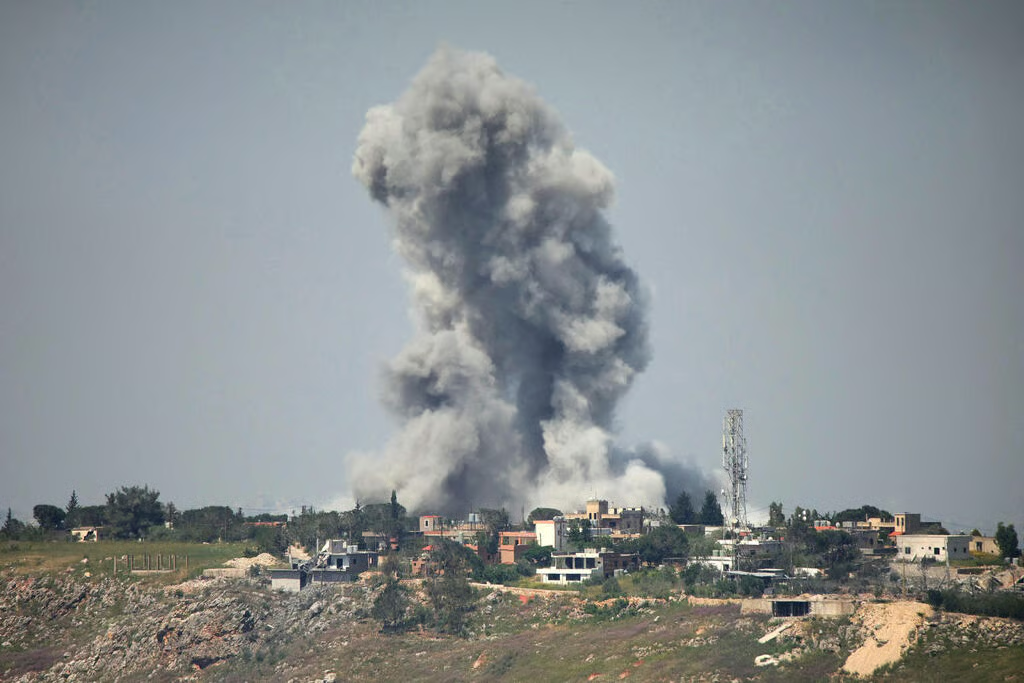
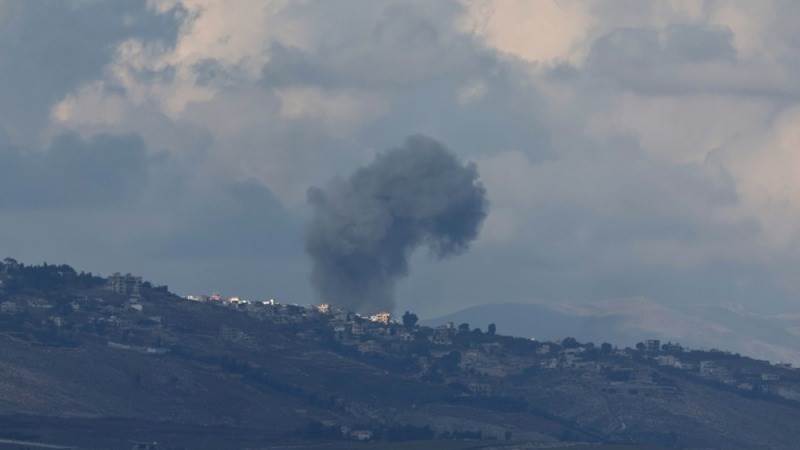
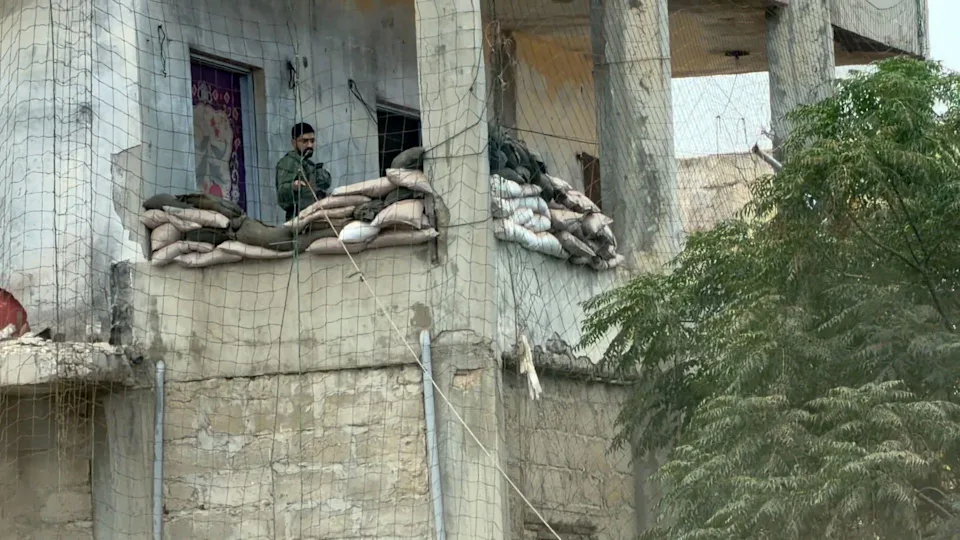
Israeli soldiers and service roads built by Israel after the invasion are now present in the occupied areas of southern Lebanon, marking a clear physical manifestation of the ongoing military consolidation. The construction of these service roads facilitates troop movement and logistical support, indicating a methodical approach to entrenching their presence. The presence of these elements indicates a sustained effort by Israel to establish infrastructure within the newly controlled territory, suggesting long-term intentions rather than temporary measures. Overhead, Israeli surveillance drones are a regular feature, contributing to the persistent monitoring of the region, providing real-time intelligence and maintaining a watchful eye over the newly established security zone. Additionally, explosions, which are possibly the result of demolitions, have been heard in the distance, further suggesting active military operations or infrastructure adjustments within the security zone, potentially clearing areas for further development or defensive positions. The continuous presence of military personnel and surveillance assets shows the strong nature of Israel's control.
Israeli Defence Minister Israel Katz has issued directives regarding the military's posture in the area. Katz instructed the military to "take all necessary steps to prepare for a long-term presence in the area," signaling a strategic intent for an extended deployment rather than a temporary operation. This instruction shows the Israeli government's commitment to maintaining its hold on the southern Lebanese territory, indicating a policy decision for sustained occupation. The directive from Minister Katz provides a clear indication of Israel's strategic objectives, moving beyond immediate security concerns to a more permanent establishment of control. The current situation echoes past engagements in the region, where Israeli forces have maintained a presence in Lebanese territory for extended periods.
During the previous conflict against Hezbollah in 2024, Israeli forces had invaded southern Lebanon and subsequently remained in five specific points, violating the terms of the deal that brought an end to that conflict. This historical context notes a pattern of Israel retaining strategic positions even after cessation of hostilities. The current deployment and consolidation efforts build upon a history of Israeli military presence extending beyond immediate conflict resolution, reflecting a pattern of establishing and maintaining control in border territories. This continuity of action suggests a deeply ingrained strategic approach to border security and regional influence. The ongoing activities, including infrastructure development and surveillance, align with the stated objective of preparing for a prolonged presence, reinforcing the idea that this is not a temporary measure. The systematic nature of these actions points to a well-planned strategy for enduring control over this vital border area.
Context and Ceasefire Violations
In June, the US and Iran announced a preliminary deal aimed at ending their conflict, which included a cessation of violence in Lebanon. This agreement was hailed as a potential step towards de-escalation in the wider region, offering a glimmer of hope for stability. Despite this agreement, Lebanon's military has recorded more than 5,000 violations of the ceasefire deal by Israel since June. These violations suggest ongoing tensions and military activities in the border region, indicating that the preliminary deal has not fully translated into a cessation of military actions on the ground. The high number of reported violations shows the fragility of the ceasefire and the persistent instability along the border. These incidents include various forms of incursions and military maneuvers, contributing to the continued insecurity.
Direct talks between Israel and Lebanon led to a US-brokered framework agreement for 'pilot zones' and Hezbollah's disarmament. This agreement was intended to establish specific areas for de-escalation and address the presence of armed groups, aiming to create a more stable and demilitarized buffer zone. However, the plan for these 'pilot zones' has seen no progress, remaining unimplemented despite the diplomatic efforts. Sources indicate that no changes to this situation are expected before the Israeli election at the end of October, suggesting that political considerations within Israel are currently overshadowing any potential advancements on the agreement. This political stalemate further complicates efforts to achieve a lasting peace and implement the agreed-upon framework.
Israeli officials have consistently conditioned a withdrawal from Lebanon on Hezbollah's disarmament. This stance shows Israel's demand for the demilitarization of the Lebanese militant group as a prerequisite for any significant disengagement from the territory, making Hezbollah's disarmament a central point of contention. This condition has been a long-standing demand from Israel, reflecting its security concerns regarding the militant group's capabilities and presence near its border. The lack of progress on the 'pilot zones' agreement and the continued ceasefire violations highlight the persistent challenges in achieving a stable resolution in southern Lebanon, creating a complex and volatile environment. The intertwined issues of territorial control, ceasefire adherence, and disarmament demands continue to fuel instability in the region.
International and Local Reactions
Near Naqoura, a Lebanese military checkpoint remains the last visible sign of the state's presence in the immediate vicinity of the newly occupied territory. This checkpoint serves as a stark reminder of the diminished Lebanese sovereignty in the area directly adjacent to the Israeli-controlled zone, noting the extent of Israel's territorial claims. Israel has flattened entire villages within the security zone, with air strikes and demolitions reportedly continuing even after a ceasefire was announced in June. These actions have resulted in widespread destruction and displacement, fundamentally altering the landscape and the lives of the local population. The continuation of such destructive activities post-ceasefire raises serious concerns about adherence to international agreements and humanitarian principles.
According to the United Nations Interim Force in Lebanon (Unifil), the Israeli military has established four new bases in the invaded areas, increasing its total number of positions to nine. This expansion of military infrastructure signifies a deepening of Israel's control and a more permanent footprint in southern Lebanon, further solidifying its presence. Hezbollah has not carried out attacks against Israel since the ceasefire came into force, indicating a period of restraint from the militant group towards Israeli territory. However, the group has targeted Israeli troops operating inside Lebanese territory, suggesting a continued resistance to the Israeli occupation within Lebanon itself. This distinction in targeting notes the localized nature of the ongoing conflict, focusing on Israeli forces present on Lebanese soil. The ongoing displacement has left hundreds of thousands of Lebanese citizens unable to return to their homes, facing prolonged uncertainty and hardship. These displaced populations represent a significant humanitarian crisis resulting directly from the conflict and the establishment of the security zone. The destruction of villages and the persistent military presence have rendered their return impossible for the foreseeable future, creating a lasting human cost to the conflict.