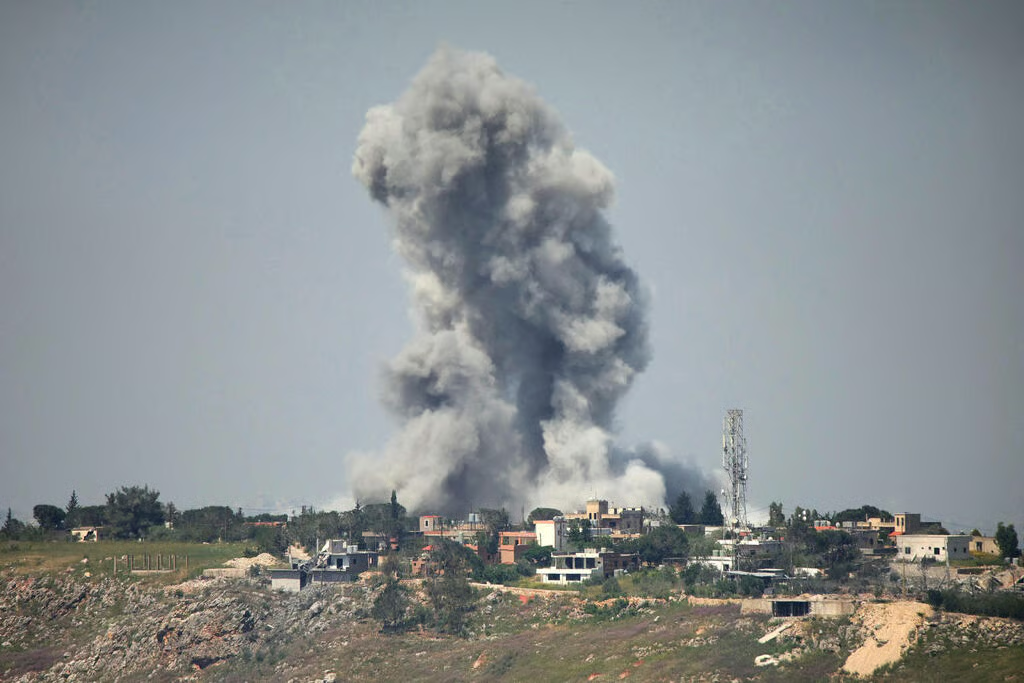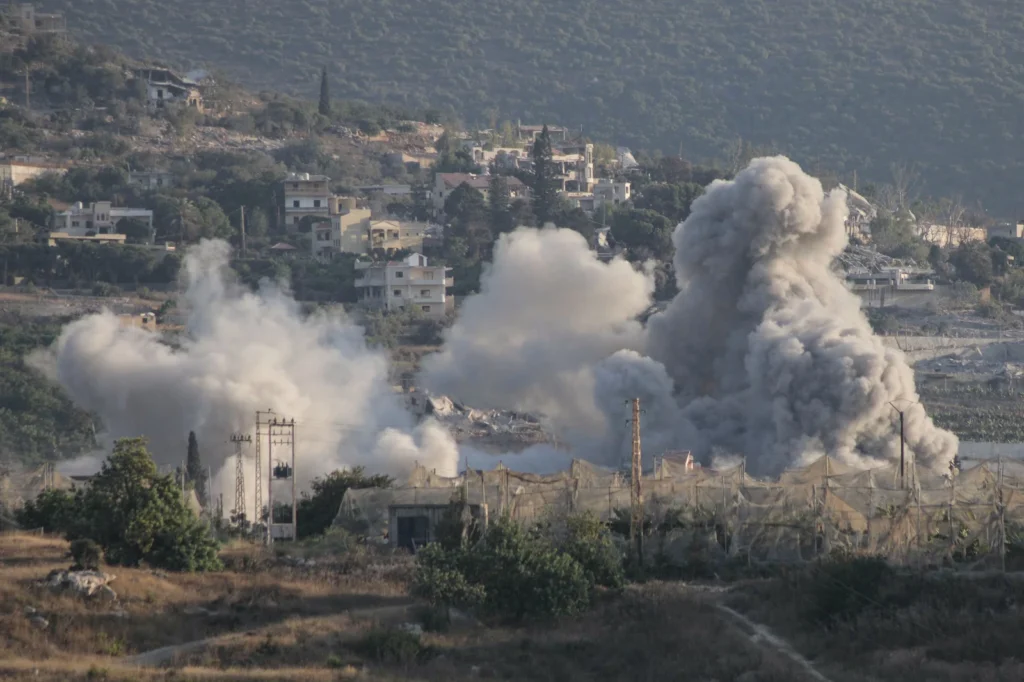
Iran issued a stark warning to the United States in August, indicating it would launch a large-scale attack if Israel mounts a full offensive on the Ali al-Taher ridge in southern Lebanon. This direct communication shows the escalating tensions in the region and the potential for a broader conflict. The Ali al-Taher ridge has emerged as one of the most fiercely contested areas in the ongoing Israel-Hezbollah conflict, with Israel explicitly identifying it as one of its 'primary operational focuses.' According to three officials briefed on the message, Iranian military personnel are believed to be positioned alongside Hezbollah fighters in the region, noting a significant level of direct Iranian involvement.
The Strategic Ridge and Its Control
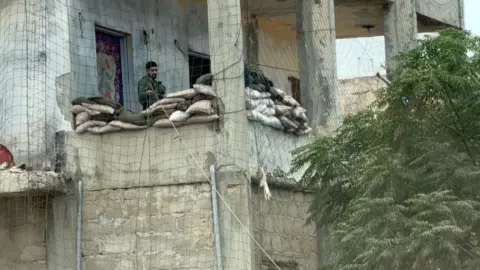
The Ali al-Taher ridge is not merely a geographical feature; it offers a commanding and strategically vital view of southeastern Lebanon. This elevated position provides a tactical advantage, making its control key for either side in the conflict. Within this strategic location, Hezbollah is widely believed to have constructed an underground command center, designed to withstand potential assaults, alongside various weapons stores, indicating a well-prepared defensive posture. Hezbollah has publicly asserted its control over the ridge, stating unequivocally that it will confront any Israeli advance. In its statements, the group has referred to a "facility" there without offering further specific details about its nature or extent. South of the ridge, Israel's military occupies territory, placing Israeli forces in close proximity to the contested area and setting the stage for potential direct confrontations.
Escalating Tensions and Iranian Presence
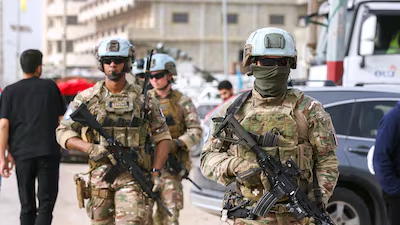
The gravity of the situation was showed by the channel through which Iran's warning to the United States was conveyed. Two regional officials briefed by Tehran informed Reuters that the message was delivered via Oman, a country often utilized as a neutral intermediary for communications between Iran and Western powers. These officials further elaborated on the Iranian presence, stating that more than a dozen members of the Islamic Revolutionary Guard Corps (IRGC), including at least two senior officers, have been positioned alongside Hezbollah fighters at the Ali al-Taher ridge. Their presence shows a direct Iranian involvement in the contested area, signaling Tehran's commitment to defending the site and its allies. The deployment of senior IRGC officers suggests a strategic importance attached to the ridge by Iran.
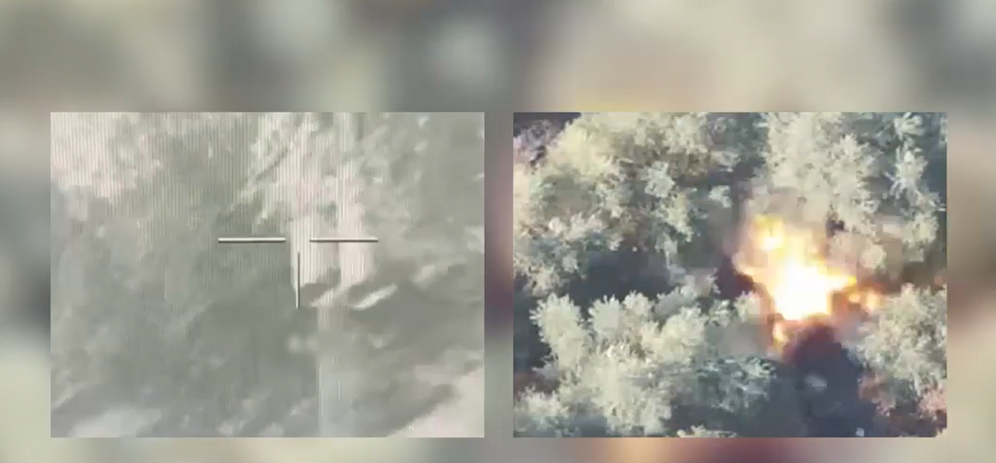
Israel has reportedly been attempting to besiege the site, employing tactics designed to weaken Hezbollah's hold without a full-scale ground assault. As part of this effort, Israeli forces have shot down drone deliveries intended to supply food and water to the ridge, aiming to render the location "uninhabitable" for those stationed there. This tactic suggests a strategy to pressure Hezbollah and Iranian personnel by cutting off essential supplies, hoping to force their withdrawal or surrender. The actions by both sides—Iran's warning, Hezbollah's defiance, and Israel's siege efforts—highlight the increasing intensity of the conflict surrounding the strategic ridge in southern Lebanon.
Differing Assessments and Future Outlook
The situation on the ground remains fluid, with differing assessments from the involved parties. Israel assesses that some Hezbollah fighters have died due to a lack of supplies, according to military sources, suggesting their siege tactics are having an impact. However, Maariv, an Israeli newspaper, citing a military source, also reported Israel's assessment that no Islamic Revolutionary Guard Corps (IRGC) forces currently remain at the Ali al-Taher ridge, a claim that contrasts with the regional officials' reports of Iranian presence. Hezbollah, for its part, has issued a dire warning, indicating that any large-scale assault on Ali al-Taher would signify a return to full-scale war. Such an escalation, Hezbollah warned, could lead to devastating missile strikes on northern Israeli communities, raising the specter of widespread regional conflict. These differing assessments highlight the contested nature of the situation and the potential for further, unpredictable escalation in the region.
White House Response and Diplomatic Efforts
Despite Iran's explicit warning and Hezbollah's threats, a Lebanese source and a senior Lebanese security official stated that an Israeli operation to capture the Ali al-Taher ridge remains a distinct possibility in the coming weeks. However, the international community has also played a role in attempting to de-escalate the situation. A third official indicated that Iran's warning was delivered around mid-August and that subsequent U.S. Pressure had led Israel to delay storming the ridge, suggesting diplomatic efforts are underway to prevent a full-blown military confrontation. The White House has not publicly commented on the specifics of the Iranian warning or any direct pressure applied to Israel regarding the Ali al-Taher ridge. However, the ongoing communications and warnings show the precarious balance of power and the constant risk of wider conflict in the Middle East.