Iranian President Massoud Pezeshkian stated that the United States' strategy of pressure and threats risks undermining diplomatic efforts to end the war in the Middle East. Pezeshkian made these remarks at the Shanghai Cooperation Organization (SCO) summit in Bishkek, Kyrgyzstan, according to the Iranian news agency ISNA, as reported by Reuters. He emphasized the need for a shift in approach, stating that the current policies jeopardize peace. The president stressed that an end to the conflict requires "commitments" from all parties. He called for actions that would "immediately" address regional tensions and expressed hope that a new diplomatic path "re-establishes" stability.
President Pezeshkian's address at the SCO summit noted a critical juncture in regional diplomacy. His comments show a growing concern within Tehran that Washington's continued reliance on coercive measures could derail nascent peace initiatives. The Iranian leader's presence at the high-profile international gathering in Kyrgyzstan provided a significant platform for articulating Iran's perspective on the ongoing conflict and the broader geopolitical dynamics at play. He specifically pointed to the detrimental effects of what he described as a strategy built on "pressure and threats," arguing that such an approach inherently complicates efforts to foster a stable and lasting resolution to the Middle East's protracted challenges.
Iran's Diplomatic Stance
Iranian President Masoud Pezeshkian delivered his remarks at a Shanghai Cooperation Organization (SCO) summit held in Bishkek, Kyrgyzstan. He affirmed that Iran is prepared to "immediately" honor its commitments if the United States reciprocates. Pezeshkian specifically stated that Tehran would "immediately" respect its own "commitments" if the United States "re-establishes" its own, as outlined in a memorandum of understanding signed by the two sides in June. That agreement, however, collapsed the following month, leading to a renewed period of strained relations and heightened tensions. The Iranian president's conditional offer reflects a desire to restart dialogue, but only under conditions of perceived mutual respect and adherence to previously agreed-upon frameworks.
The memorandum of understanding, signed just months prior, had been viewed by some as a potential pathway to de-escalation. Its subsequent collapse, however, has cast a long shadow over the prospects for immediate diplomatic breakthroughs. Pezeshkian's reiteration of Iran's willingness to uphold its end of any agreement, provided the U.S. Does the same, signals a consistent, albeit conditional, diplomatic posture from Tehran. This stance suggests that while Iran is open to engagement, it demands a reciprocal commitment from Washington to mend the fractured trust and move beyond the current impasse. The context of the SCO summit, a forum for regional security and economic cooperation, provided an appropriate backdrop for Pezeshkian to convey these messages to a wider international audience, emphasizing the interconnectedness of regional stability and global diplomatic efforts.
Meanwhile, U.S. Army Secretary Dan Driscoll has resigned from his position. The White House confirmed this development to AFP, noting that Driscoll's resignation follows months of tension with Defense Secretary Pete Hegseth. This internal U.S. Government friction comes at a sensitive time, as Washington grapples with its strategy in the Middle East. The reported disagreements between Driscoll and Hegseth could indicate broader internal debates within the Pentagon regarding military policy and engagement in the region. Regarding the broader geopolitical situation, the White House affirmed its stance, stating, "The president retains all options," a phrase that has been consistently used to signal a readiness for various responses, including military action, depending on developments.
US Considering Strait of Hormuz Strikes
Clashes between Iran and the United States resumed on Monday, with U.S. President Donald Trump threatening to "strike hard" against the opposing side. Following this escalation, Trump and his top advisors are reportedly considering "limited strikes" in the Strait of Hormuz. The potential strikes aim to prevent Iran from rebuilding radar and ballistic missile capabilities that could enable attacks on shipping. These capabilities, if fully restored, could significantly enhance Iran's ability to disrupt maritime traffic in the critical waterway, posing a direct threat to international commerce and regional security.
According to Axios, the U.S. President could now give his approval for these actions after Monday's latest developments, which included renewed hostilities and the aforementioned threats. The White House had previously opposed authorizing these strikes as recently as last week, specifically to avoid an escalation with Iran. However, the recent incidents and the perceived need to deter further Iranian actions appear to have shifted the internal calculus within the U.S. Administration. The consideration of military action, even "limited strikes," marks a significant escalation in the ongoing friction between Washington and Tehran.
The plan for these strikes had been developed over the past week by the U.S. Central Command (CENTCOM) and received backing from Defense Secretary Pete Hegseth. This indicates a concerted effort by military planners to prepare for potential contingencies in the region. A U.S. Official indicated that the specific objective of any such action would be to "reduce the risk of Iranian attacks against oil tankers, U.S. Navy ships, and U.S. Air Force aircraft." This narrowly defined objective suggests a strategy aimed at deterrence and protection of U.S. Assets and interests, rather than a broader military confrontation. The focus on safeguarding maritime and aerial assets shows the strategic importance of the Strait of Hormuz for global energy supplies and military operations. This consideration comes after an incident in the Strait of Hormuz that further heightened tensions.
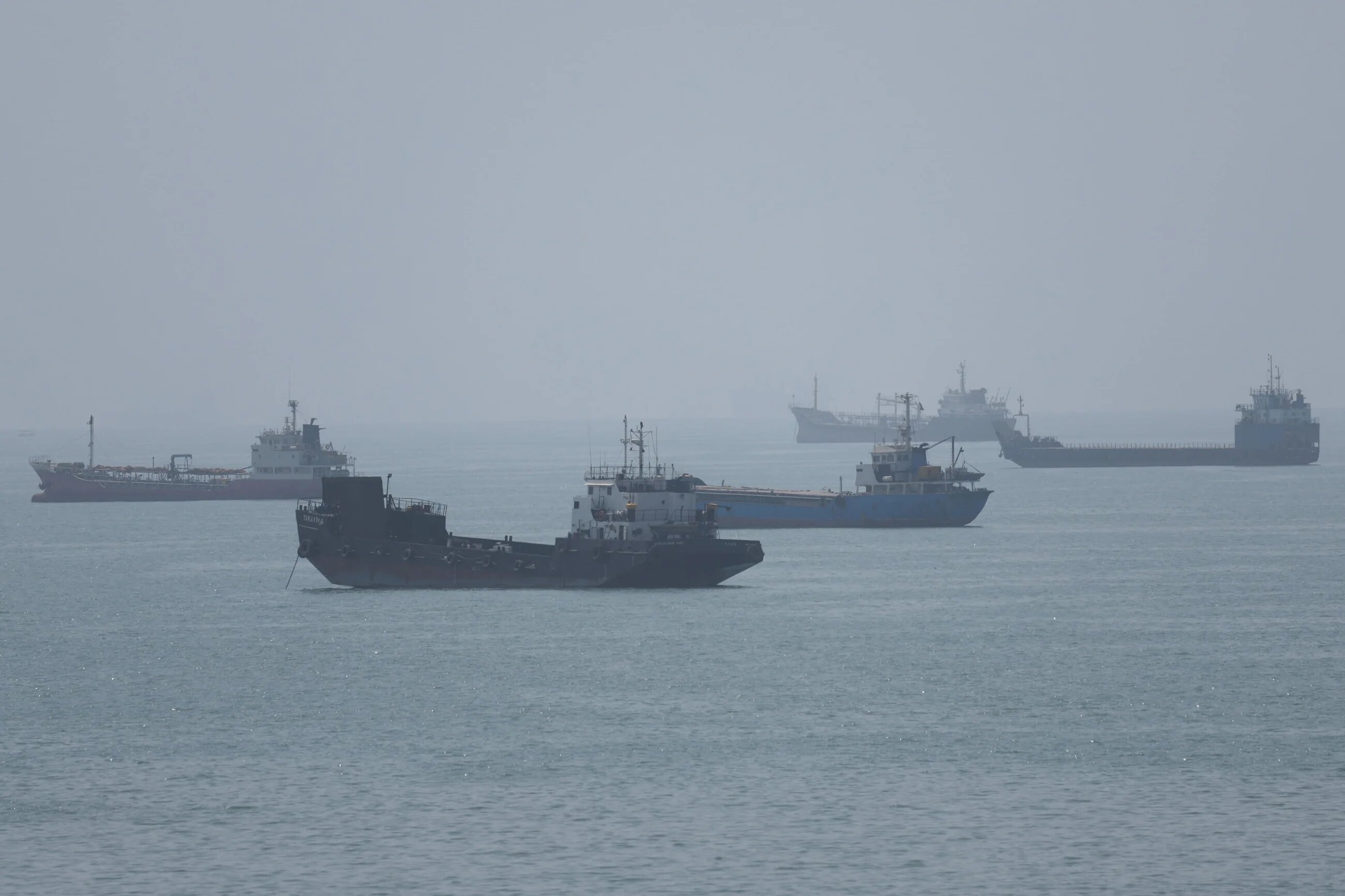
The incident occurred 17 nautical miles (31 km) east of Khasab, Oman, a location strategically positioned near the mouth of the Strait of Hormuz. Despite the nature of the event, no casualties or environmental impact have been reported from the tanker incident, which involved a vessel being struck by "unknown projectiles." Nevertheless, the incident served as a stark reminder of the volatile situation in this critical waterway. The renewed tensions and the U.S. Deliberations show the precarious security environment in the region. The potential for "limited strikes" marks a significant development in the ongoing friction between Washington and Tehran, following President Trump's strong rhetoric and the White House's evolving stance on military intervention.
Escalation in Southern Lebanon
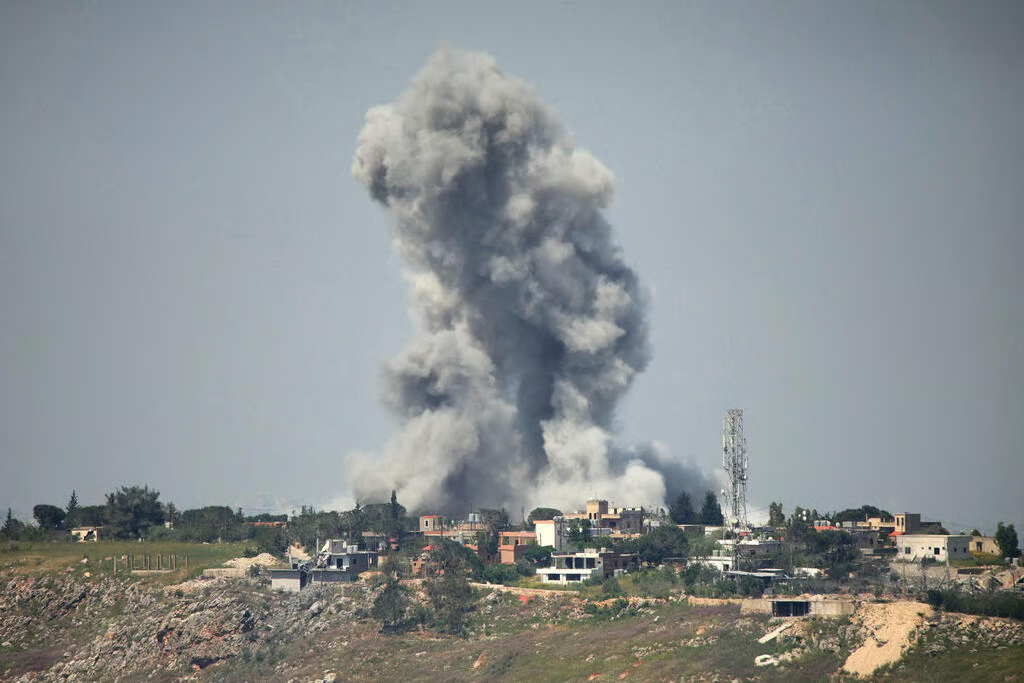
Israeli soldiers demolished homes with a bulldozer in the neighborhood known as 'Rabeh' in Mansouri. This action coincided with multiple Israeli artillery strikes targeting southern Lebanon. Artillery fire struck Mansouri twice, alongside barrages in Houla and Mais al-Jabal. These demolitions and artillery strikes are part of a broader pattern of military activity that has intensified in recent weeks along the Israeli-Lebanese border. The use of heavy machinery for demolitions suggests a deliberate and systematic approach to altering the landscape in certain areas.
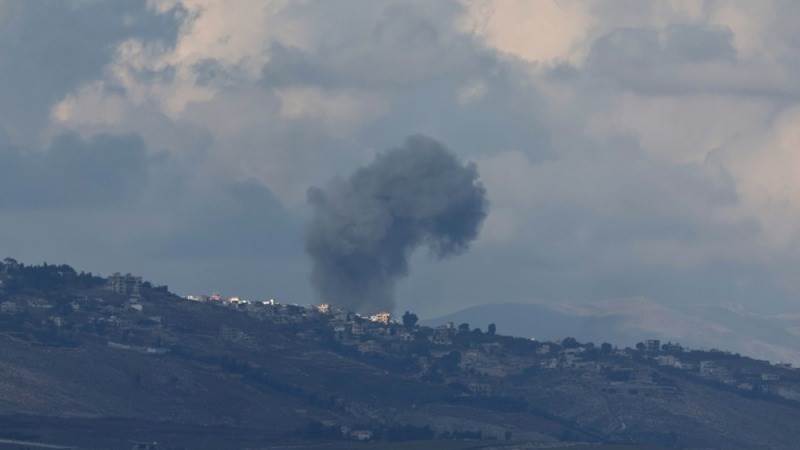
Explosions were also reported in Rshaf, located in the Bint Jbeil district, and in various neighborhoods of Houla, within the Marjayoun district. These explosions, the specific causes of which were not immediately detailed, further indicate the widespread nature of the conflict's spillover into Lebanese territory. The Israeli army carried out extensive demolition operations across several locations in southern Lebanon from Monday night into Tuesday. These operations affected Zawtar Sharqieh in Nabatieh, Sarbine in Bint Jbeil, Mansouri in Sour, Taybeh, and the Jableh neighborhood in Khiam in Marjayoun. The scope of these operations suggests a significant military push, potentially aimed at creating buffer zones or eliminating infrastructure perceived as a threat.
Further activity included the observation of Israeli military vehicles in Haddatha, where an Israeli drone dropped a stun grenade. The presence of drones and the deployment of stun grenades point to a multi-faceted approach to military engagement, combining surveillance with non-lethal crowd control or intimidation tactics. Israeli machine guns were fired on the outskirts of Aita al-Jabal, indicating direct fire engagements in certain areas. In the early hours of Tuesday, specifically at approximately 3 a.m. A very loud explosion was heard between Deir Siryan and Qantara in the Marjayoun district, adding to the reported incidents of escalation in the region. The timing of this explosion, in the dead of night, further shows the constant state of alert and the unpredictable nature of the conflict. The cumulative effect of these incidents paints a picture of a rapidly deteriorating security situation in southern Lebanon, with significant implications for civilian populations and regional stability.
Context and Implications
The current conflict has now reached its seventh month, marking a prolonged period of instability and heightened military activity across the Middle East. This extended duration shows the deeply entrenched nature of the various conflicts and the challenges in achieving a lasting peace. Last week, the White House had opposed authorizing any strikes to avoid escalation with Iran, stating that "The president retains all options." This position reflected a cautious approach aimed at preventing a wider regional conflagration. However, the situation has since evolved, pushing the U.S. Administration to reconsider its options.
A tanker was struck by three "unknown projectiles" while transiting the Strait of Hormuz on its outbound journey, according to the British Maritime and Transport Authority (UKMTO). This incident, occurring in one of the world's most vital shipping lanes, served as a significant catalyst for the renewed U.S. Deliberations on military action. U.S. Central Command (CENTCOM) is reportedly concerned about Iran's efforts to rebuild its capabilities in the strait, particularly its radar and ballistic missile systems. These concerns are not merely theoretical; they are rooted in the strategic implications of Iran's potential to control or disrupt maritime traffic through the Strait.
According to CENTCOM estimates, the U.S. Military might be forced to "periodically strike" Iran to continue removing "dozens of oil tankers" from the Gulf each day while maintaining relatively satisfactory security conditions. This assessment notes the immense logistical and security challenges involved in ensuring the safe passage of commercial vessels through the Strait of Hormuz in the face of perceived Iranian threats. The notion of "periodically striking" suggests a long-term, sustained military commitment rather than a one-off punitive action, reflecting the deep-seated strategic challenges faced by the U.S. In the region. The potential for such ongoing military engagement further complicates the already intricate geopolitical landscape of the Middle East and raises questions about the long-term stability of global energy markets.