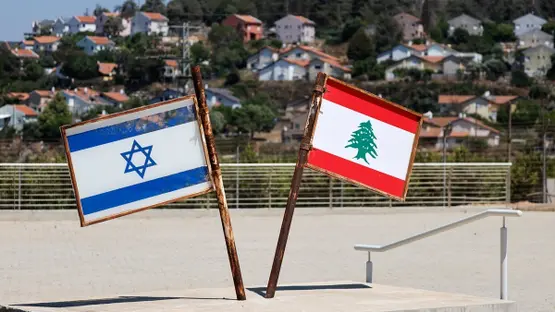
The International Committee of the Red Cross (ICRC) on Thursday returned to Lebanon a man who had been seized by Israel. This significant transfer took place after the man's prior capture by Israeli forces, marking a successful humanitarian intervention. The ICRC facilitated the return as part of its key mandate to protect and assist victims of armed conflict and other situations of violence, ensuring that humanitarian principles are upheld even amidst ongoing hostilities. The return of the individual by the International Committee of the Red Cross on Thursday shows the organization's continuous efforts in the region.
Operation Details and Status
An International Committee of the Red Cross official in Jerusalem told Agence France-Presse that the operation was "underway" as the transfer proceeded. This statement was made during the sensitive process, noting the real-time nature of the ICRC's involvement in such delicate cross-border movements. The ICRC's involvement shows its vital role in facilitating humanitarian movements between parties in conflict, often acting as a neutral intermediary. This news report is a 1-minute read, indicating a concise summary of the event and the immediate details surrounding the man's return. The swift return of the individual notes the operational capabilities and established protocols of the ICRC in managing such sensitive situations, which often require careful coordination between opposing sides. The successful completion of the transfer reflects the ICRC's expertise in navigating complex geopolitical landscapes to ensure the safe passage of individuals.
Broader Context of Seizures
A committee monitoring the situation estimates that Israel has seized more than 30 individuals since its 2024 conflict with Iran-backed Hezbollah. This number provides a stark indication of the scale of detentions occurring in the volatile border region. These seizures occur amidst ongoing tensions along the border region between the two nations, which has seen frequent security incidents. The incidents are part of a broader pattern of detentions that have prompted international concern regarding human rights and the treatment of individuals caught in the conflict. The ongoing activities of this committee are key for tracking these incidents and advocating for the rights of those detained.
Lebanon last month formally demanded the release of an initial group of individuals during its latest negotiations with Israel. These discussions, often mediated by international bodies like the ICRC, aim to address the status of those detained and facilitate their return. The demand shows the persistent diplomatic efforts involved in resolving these seizures, which frequently become points of contention in the strained relations between Lebanon and Israel. The negotiations represent a critical avenue for addressing the humanitarian aspects of the conflict and working towards de-escalation.
Ongoing Tensions and Negotiations
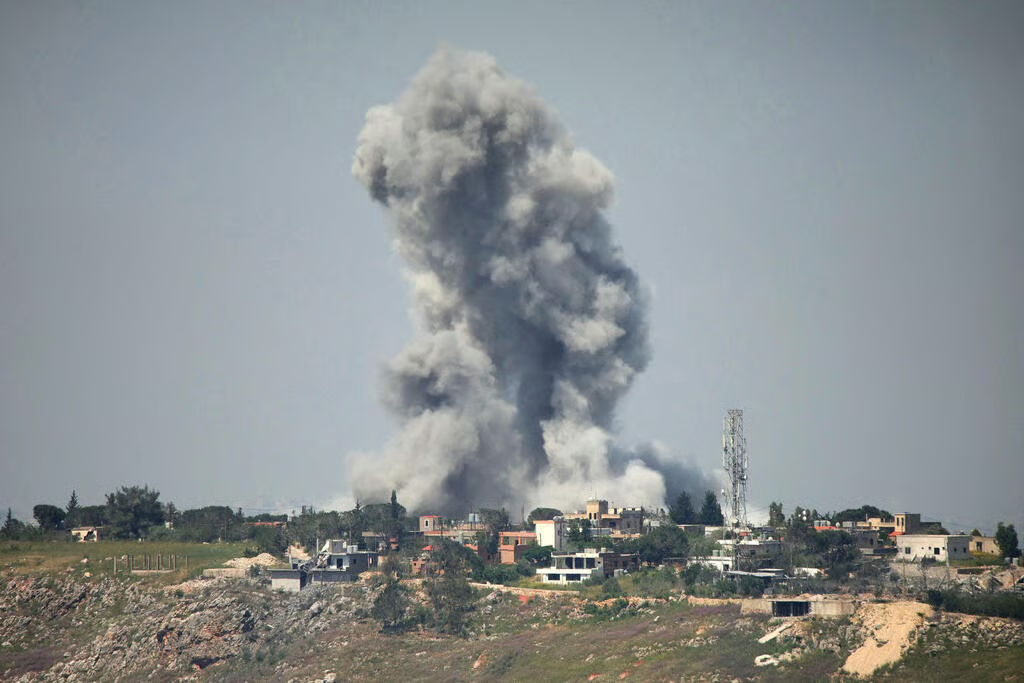
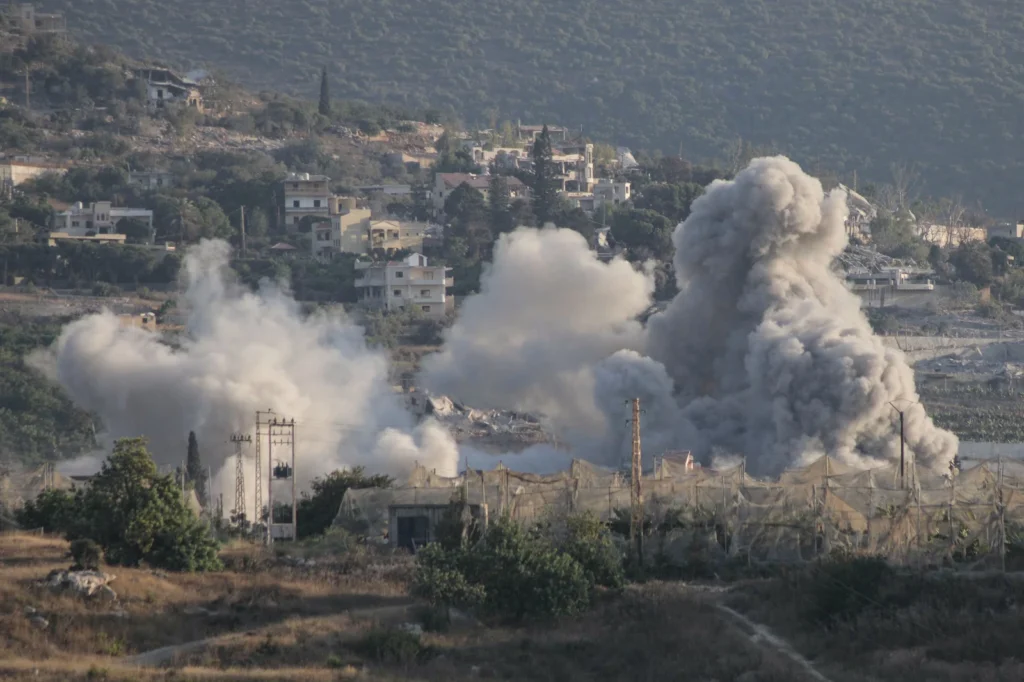
The return of the individual by the International Committee of the Red Cross (ICRC) takes place against a backdrop of persistent hostilities between Israel and the Iran-backed Hezbollah. Tensions have remained elevated along the border region separating Lebanon and Israel, with frequent incidents reported, including cross-border shelling and aerial incursions. The broader context of these exchanges often involves diplomatic efforts and negotiations, sometimes facilitated by international organizations like the ICRC, to manage the fallout from such confrontations and prevent further escalation. These discussions aim to address humanitarian concerns and facilitate the return of individuals seized by either side, emphasizing the importance of neutral intermediaries in maintaining communication channels. The ongoing situation shows the fragility of the security environment and the continuous need for third-party intervention to de-escalate tensions and ensure humanitarian principles are upheld for all affected by the conflict. The ICRC's role remains indispensable in providing a channel for dialogue and action on behalf of those impacted by the protracted conflict along the border.