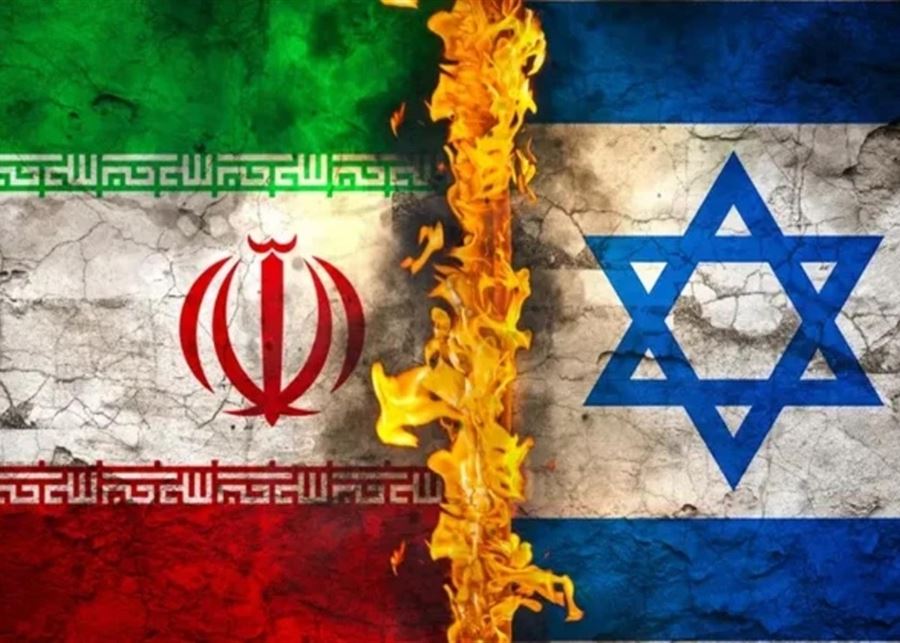
Hezbollah has spent three months preparing for a possible resumption of hostilities with Israel. Military activities across Lebanon, including in Beirut, have focused on reorganizing personnel and logistics to address potential combat requirements.
To support these preparations, Hezbollah received an infusion of cash from Iran. This financial support arrived as the group sought to bolster its operational readiness for future engagements. Reuters reports that the organization has directed these resources toward training and equipment maintenance throughout the country. The ongoing efforts follow a period of relative calm, with the group prioritizing a return to its defensive posture. Military planners within the organization maintain that these measures are intended to restore capabilities depleted during previous confrontations.
Rebuilding Military and Command Structures
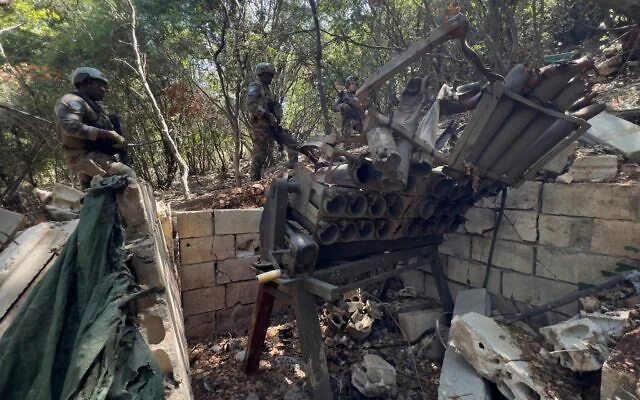
Hezbollah is currently stockpiling explosives and manufacturing attack drones as part of an effort to enhance its tactical inventory. These activities are occurring across Lebanon, focusing on domestic production and the secure storage of munitions.
Commanders within the organization are simultaneously rebuilding its command structures to improve organizational control. Personnel are undergoing a process of restructuring to refine communication channels and operational oversight. These internal reforms aim to strengthen the group's hierarchy following earlier organizational disruptions. All defensive and offensive planning remains integrated under these newly established command protocols.
Current Status of Southern Lebanon
Israeli forces maintain a physical presence within villages across southern Lebanon as of 27 October. These units occupy residential sectors and infrastructure points throughout the border region. Local residents in the area report the presence of armored vehicles and infantry squads stationed in proximity to key transit routes. Military operations in these southern municipalities remain active, affecting the movement of civilians and the availability of essential services.
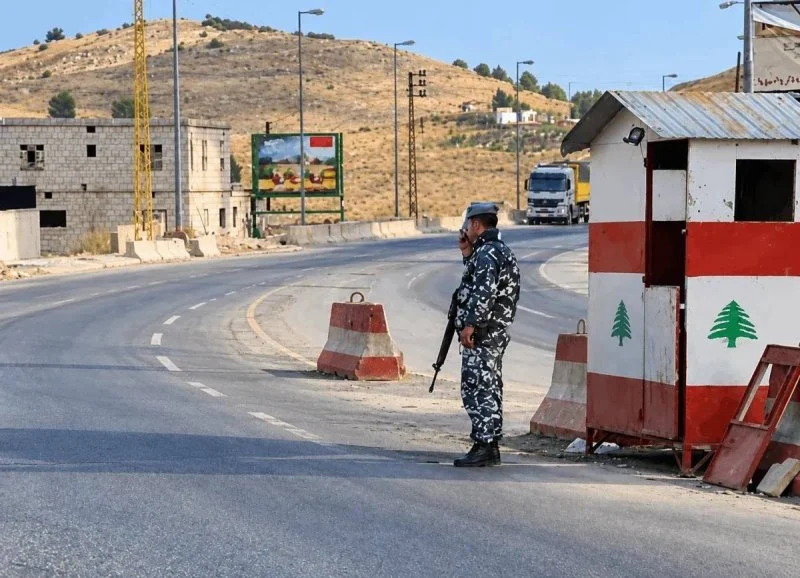
Political discussions in Beirut reflect growing domestic tension regarding the continued presence and activity of Hezbollah. Members of the Lebanese political establishment and various civic groups have expressed urgent calls for the disarmament of the organization. Advocates for this position argue that the group's military operations and the resulting regional instability necessitate a change in national security policy. Supporters of this stance within the capital emphasize that the current situation requires the state to assert full control over all armed factions operating within its borders.
Public discourse surrounding the disarmament proposal intensified throughout October. While some political actors demand a complete handover of weapons to the Lebanese Armed Forces, others maintain that the group serves as a deterrent against external threats. These conflicting viewpoints continue to animate legislative sessions and public forums in Beirut. No consensus has emerged among the political factions regarding the timeline or the mechanism for a potential transition of power. Security officials in the city monitor these developments as part of broader efforts to manage the internal impact of the ongoing regional situation.