Hezbollah chief Naim Qassem rejected a deal struck between Israel and Lebanon on Friday, declaring the Iran-backed group’s opposition to the agreement. Speaking in a televised address broadcast on the group's Al-Manar television channel, Qassem stated, "We are against the framework agreement and call for its downfall." He further characterized the deal as "illegitimate, unlawful, humiliating, destructive to Lebanese sovereignty." Qassem added, "We do not agree to the 'pilot zones' or to what comes from them," emphasizing, "We will keep our heads high and we will not surrender." His strong condemnation shows the deep divisions within Lebanon regarding the proposed resolution to the ongoing conflict with Israel. The rejection by such a prominent figure within Hezbollah, a powerful political and military force in Lebanon, immediately casts a shadow over the viability of the agreement.
Deal Details and Disagreement
In late June, Lebanon and Israel signed a framework deal that included provisions for the disarmament of Hezbollah, a gradual withdrawal of Israeli forces from south Lebanon, and the deployment of the Lebanese army to the region. The agreement specified that this process would begin in designated "pilot zones," areas intended for initial implementation of the deal's terms. The framework deal explicitly called for these key components, aiming to establish a more stable security environment along the shared border. Following discussions in Rome earlier this month, a Lebanese source informed AFP that an agreement had been reached on a "shortlist" of countries. These nations would potentially oversee the implementation of the pilot zone process outlined in the framework deal, acting as neutral arbiters or monitors. A new round of talks had been scheduled for early September to continue negotiations, but a specific date for these discussions has not yet been announced, leaving the future of the diplomatic efforts uncertain. The framework agreement's details, particularly regarding the "pilot zones" and the disarmament of Hezbollah, have been central to the ongoing debate surrounding its legitimacy and impact on national sovereignty, especially given Hezbollah's strong opposition.
Hezbollah's Stance and Demands
Hezbollah chief Naim Qassem stated that his Iran-backed group would not "surrender" nearly six months after war erupted with Israel. The declaration came as Qassem addressed supporters in the southern Lebanese town of Nabatieh, emphasizing the group's steadfast position amidst ongoing conflict and rejecting any perceived concessions. He reiterated Hezbollah's commitment to resisting external pressures and maintaining its stance on Lebanese sovereignty, which he previously cited as being undermined by the proposed deal with Israel. Qassem's remarks from Nabatieh noted the group's determination to uphold its principles, even in the face of international diplomatic efforts.
Qassem also affirmed his group's support for the implementation of a November 2024 ceasefire agreement. That ceasefire had aimed to conclude a previous conflict with Israel, and Qassem's statement indicated Hezbollah's willingness to adhere to established peace mechanisms from past engagements, provided they align with their broader objectives. His remarks provided insight into Hezbollah's broader strategy, balancing rejection of the current framework agreement with acknowledgement of certain historical agreements, suggesting a selective approach to peace initiatives. This nuanced position complicates efforts to broker a full and lasting peace between the two nations.
Broader Conflict Context
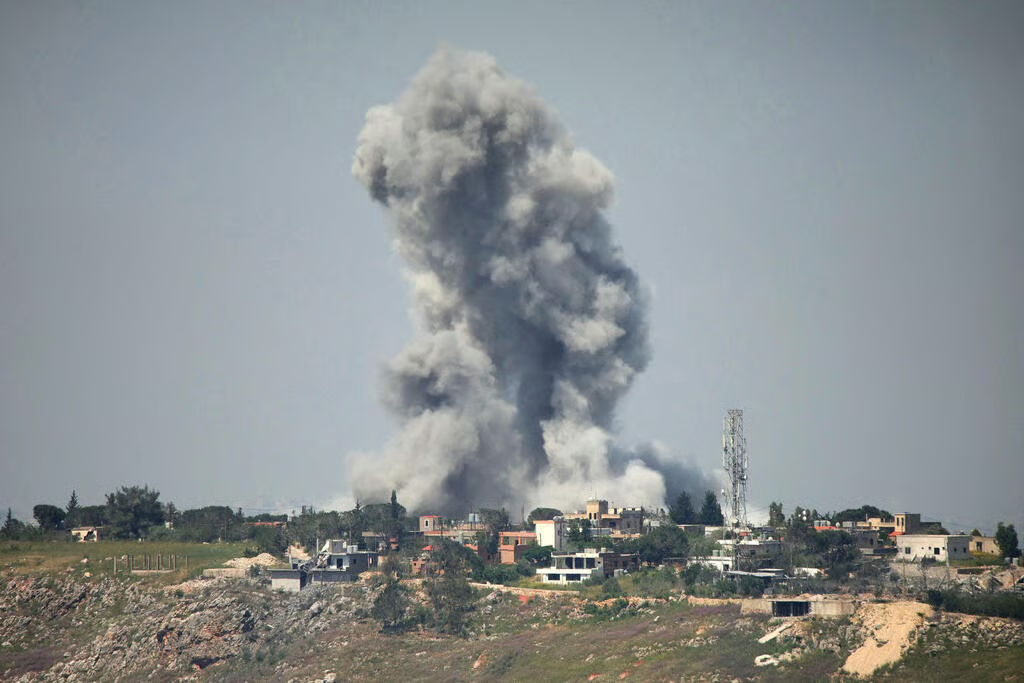
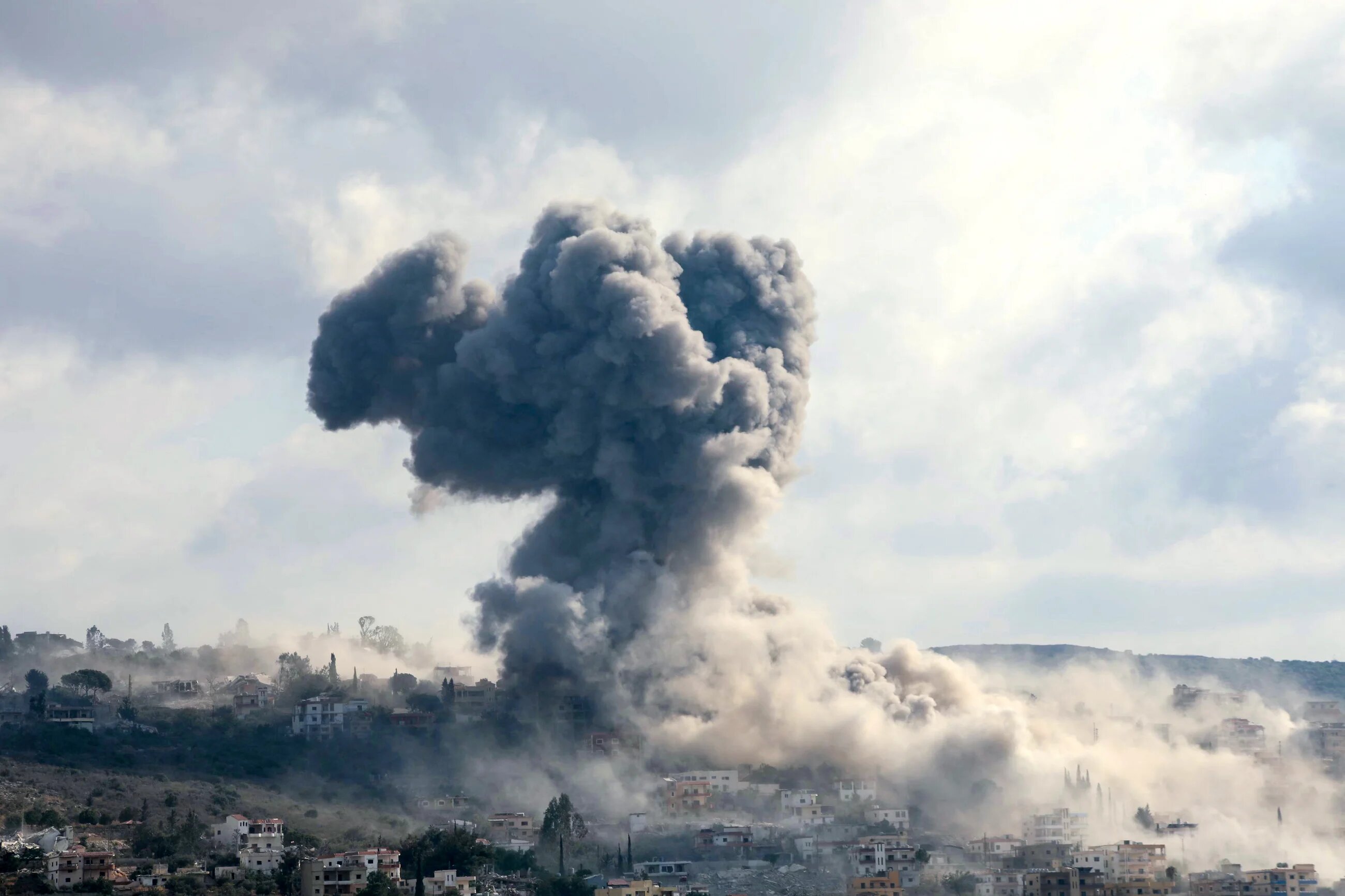
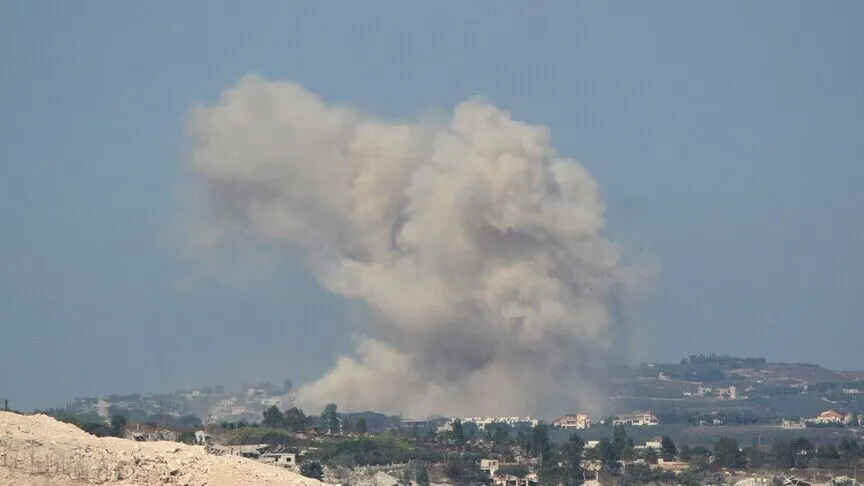
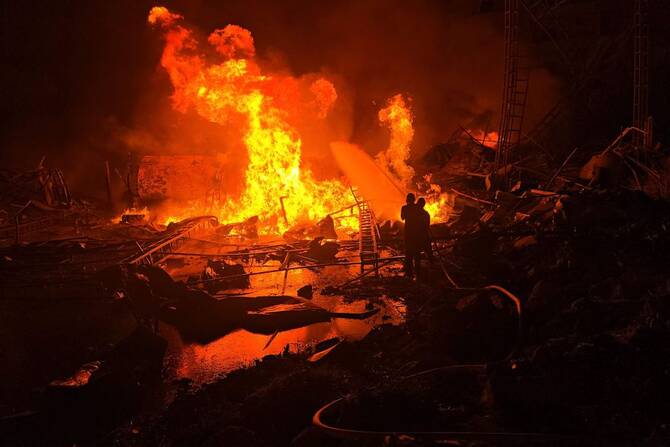
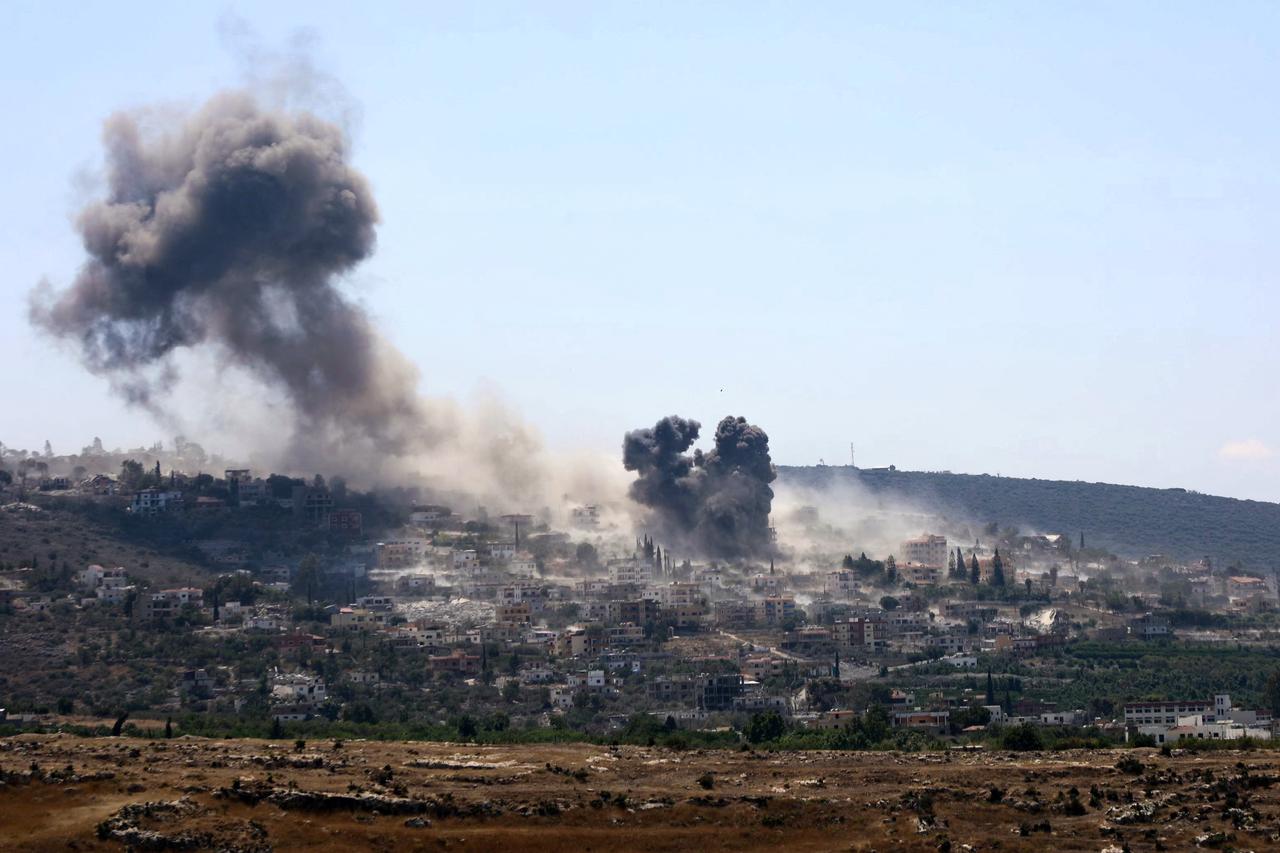
Israel and Lebanon initiated U.S.-sponsored direct talks after Hezbollah drew Lebanon into the broader Middle East war on March 2 by attacking Israel. This escalation led to ongoing military operations in the border region, intensifying the long-standing tensions between the two countries. Israeli forces are currently operating within a self-declared "security zone" that extends approximately 10 kilometers deep inside Lebanese territory along the border. Lebanese authorities say Israeli strikes and ground incursions have resulted in the deaths of more than 4,300 people, showing the severe humanitarian cost of the conflict. On Friday, Lebanon's state-run National News Agency reported multiple Israeli airstrikes in the country's south. These strikes included targets in the Nabatieh area, further illustrating the continued intensity of the conflict and the constant threat faced by communities near the border. The ongoing hostilities provide the volatile backdrop against which any potential deal between the two nations is being debated, making a resolution even more challenging.