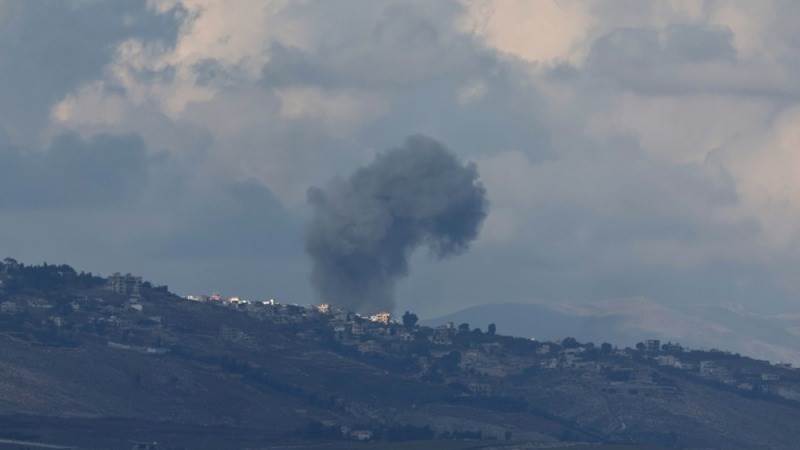
More than 10 European Union member states are prepared to contribute personnel and resources to a proposed mission aimed at advising and training Lebanon's armed forces. This willingness from over a dozen EU members shows the bloc's commitment to supporting stability in the volatile region. The initiative seeks to bolster the capabilities of the Lebanese military, with the EU's stated objective being to strengthen the armed forces and enhance the Lebanese state's capacity to ensure security across its entire territory. This full approach is designed to empower Lebanon to assert control over its sovereign territory.
Mission Objectives and Timeline
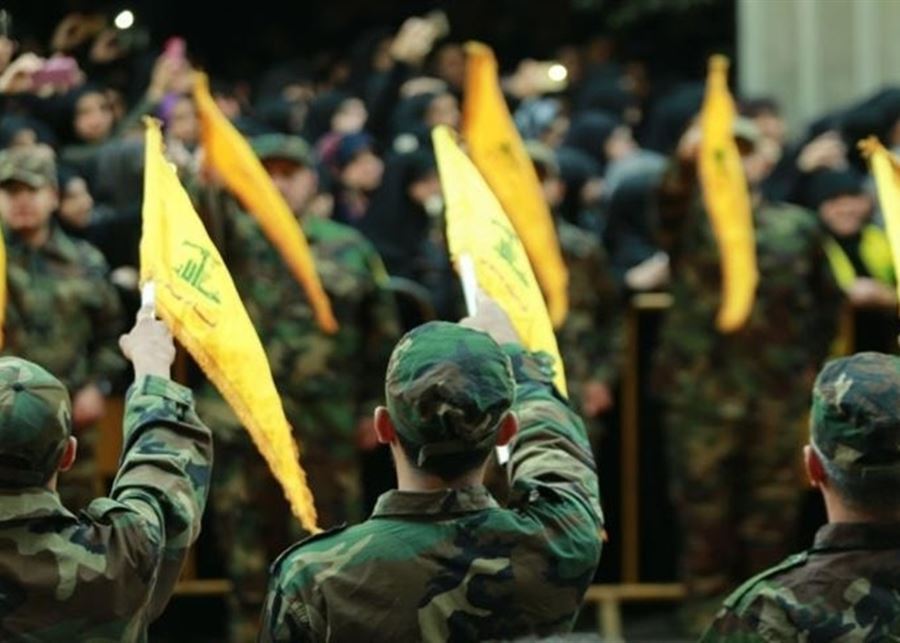
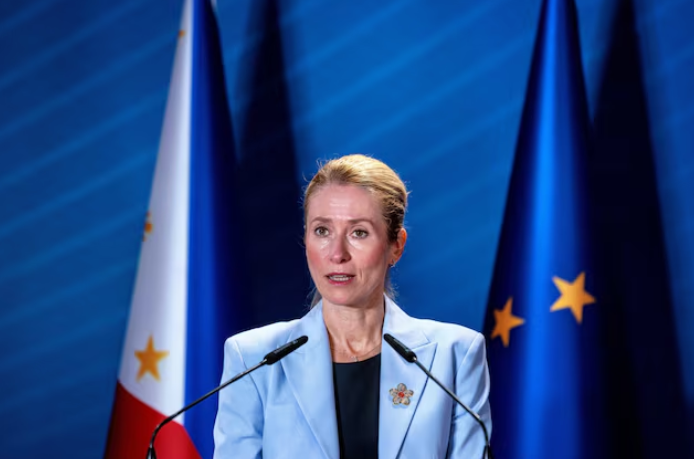
The proposed mission originates from the European Union's ongoing study into methods for strengthening Lebanese forces, a strategic move intended to enable the Lebanese army to concentrate on disarming the armed group Hezbollah. This focus on Hezbollah reflects long-standing international concerns regarding the group's influence and arsenal within Lebanon. An EU official informed Reuters that the bloc's aim is to establish the mission by mid-October of this year, indicating a relatively swift administrative setup. However, the deployment of personnel for the mission is anticipated to occur later, specifically in late 2026 or early 2027, allowing for thorough preparation and coordination. The EU has clarified that its initiative is not intended to supersede existing international efforts. Kaja Kallas, the EU foreign policy chief, affirmed on Tuesday, "The EU is not seeking to replace UNIFIL," emphasizing a complementary role rather than a substitutive one.
The mission's design is rooted in the belief that a stronger Lebanese national army is key for the country's long-term security and sovereignty. By enhancing the capabilities of the Lebanese armed forces, the EU hopes to create an environment where the state can effectively extend its authority across all its territories, including those currently influenced by non-state actors. The phased approach, with an initial establishment phase followed by personnel deployment, suggests a methodical and deliberate strategy to ensure the mission's effectiveness and sustainability.
Broader Regional Context
Western countries have consistently urged Lebanon to disarm the Iran-backed group Hezbollah. This call has been a recurring theme in international diplomacy concerning Lebanon, reflecting concerns over regional stability and the sovereignty of the Lebanese state. A diplomat indicated that progress on this front is unlikely without a clear strengthening of the Lebanese armed forces, which would enable them to move into areas previously controlled by Hezbollah. This assessment notes the critical link between military capacity building and political objectives in Lebanon.
France has been actively working for several months to organize an international conference aimed at bolstering the Lebanese armed forces, demonstrating a concerted effort by a key European power to address Lebanon's security challenges. Additionally, France proposed the creation of an international force, intended as part of broader efforts to replace the United Nations Interim Force in Lebanon (UNIFIL). UNIFIL's mandate is set to expire at the end of 2026, and the force is expected to commence a year-long drawdown and withdrawal period following that expiration. This impending change in the international peacekeeping presence shows the urgency of strengthening Lebanon's own defense capabilities. The potential for a gap in security provision after UNIFIL's departure makes the EU's proposed training mission even more pertinent.
Diplomatic Outlook
EU foreign policy chief Kaja Kallas stated on Tuesday that planning for the proposed training mission to Lebanon is progressing well. This positive update from the bloc's top diplomat indicates confidence in the mission's development and its potential impact. The mission aims to advise and train Lebanon's armed forces, with the EU seeking to enhance their capabilities across various domains. The initiative follows ongoing studies by the European Union into methods for strengthening Lebanese forces, a process that has informed the strategic design of the proposed mission.
A senior Western diplomat informed Reuters on Tuesday that there was limited prospect for major decisions regarding Lebanon's future before Israel's election, scheduled for late October. This assessment shows the regional political dynamics influencing the timing and potential impact of international initiatives in Lebanon, suggesting that broader geopolitical factors play a significant role in the pace of progress. The diplomat also noted that there was little chance of progress without any clear strengthening of the Lebanese armed forces that would enable them to move into areas previously controlled by Hezbollah. This reiterates the consensus among Western powers that empowering the Lebanese military is a prerequisite for any significant shift in the country's security landscape. The EU's efforts to bolster the Lebanese military come amidst broader Western calls for Lebanon to disarm the Iran-backed group Hezbollah, positioning the training mission as a foundational step towards achieving this long-term objective. Strengthening the Lebanese armed forces is seen as a prerequisite for them to assert control in areas currently held by Hezbollah, thereby enhancing the state's sovereignty and regional stability.