The European Union plans to decide in October on establishing a new mission to advise and train Lebanon’s armed forces. This initiative follows an informal meeting of EU defense ministers held in Wicklow, Ireland. The proposed mission aims to bolster the capabilities of Lebanese forces, marking a significant step in the EU's engagement with stability in the Eastern Mediterranean. This decision, expected in October, will formalize the EU's commitment to strengthening Lebanon's security infrastructure.
Mission Scope and Objectives
The proposed European Union mission would concentrate on reinforcing the Lebanese Armed Forces and other state security capabilities. This reinforcement includes providing training and assistance in both border and maritime security operations. The focus on these specific areas shows the EU's recognition of the critical role these capabilities play in maintaining national sovereignty and controlling illicit activities. The EU initiative aims to complement existing efforts, and officials have clarified it would not supersede the United Nations Interim Force in Lebanon (UNIFIL). This complementary approach ensures that the new mission integrates smoothly with ongoing international support without creating redundancy or conflict. Separately, France and Italy have consistently called for more strong international support for Lebanon's security institutions, emphasizing the importance of stability in the region. Their advocacy notes a shared European concern for Lebanon's long-term security and shows the need for full international assistance. The proposed mission represents a concrete response to these calls for enhanced support, aiming to build local capacity.
Timeline and UNIFIL Context
If the European Union’s proposal receives the necessary political approval, personnel for the new mission could begin deploying later in 2026 or early 2027. This timeline is significant given the status of the United Nations Interim Force in Lebanon (UNIFIL). UNIFIL’s current mandate is set to expire at the end of 2026. The UN Security Council made a decision in 2025 to extend the peacekeeping operation for a final period. Following this extension, an orderly drawdown and withdrawal of UNIFIL forces are expected. This planned transition period creates a key window for the EU mission to establish itself and begin its work, ensuring continued support for Lebanon's security needs as UNIFIL prepares for its departure. The strategic timing of the EU's potential deployment aligns with the evolving security landscape in Lebanon, aiming to prevent any security vacuum. The mission's readiness to deploy by late 2026 or early 2027 suggests a proactive approach to maintaining regional stability.
European Support and Rationale
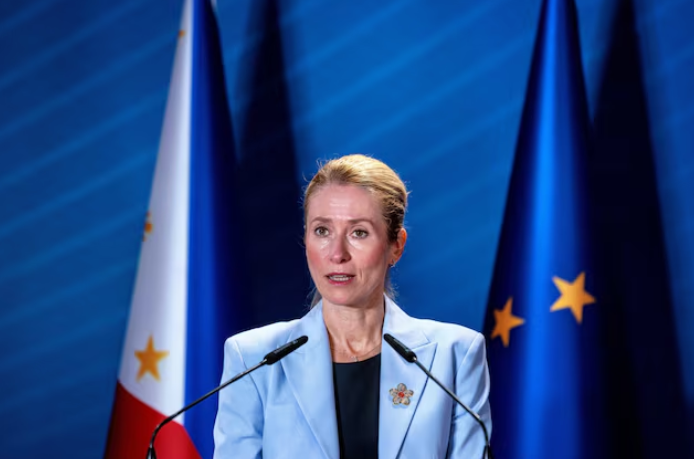
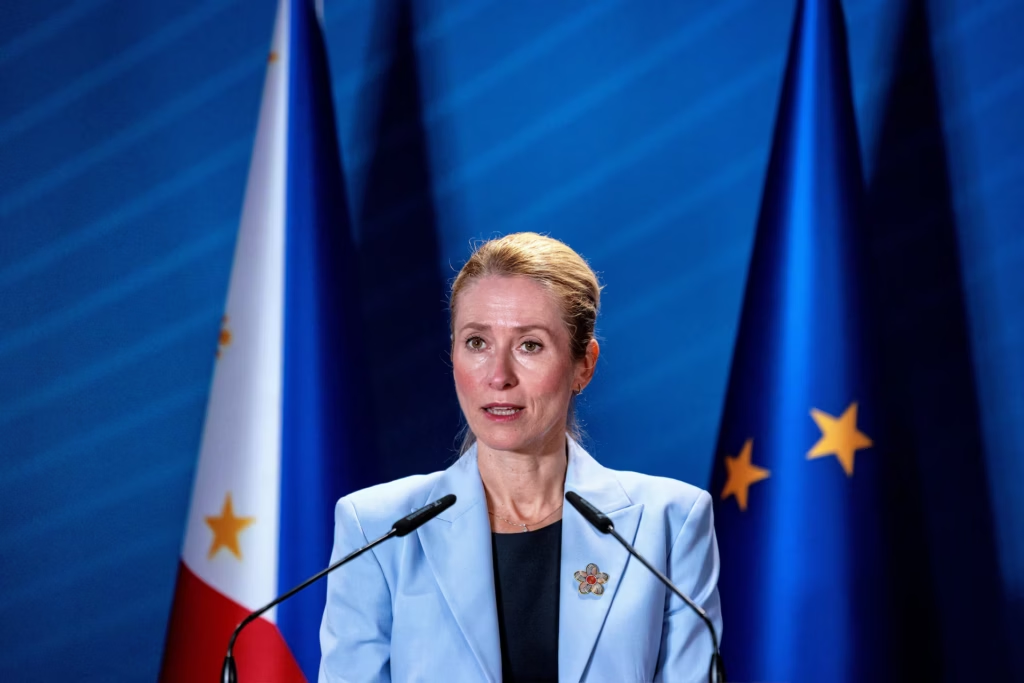
EU foreign policy chief Kaja Kallas stated on Tuesday that planning for the initiative was progressing well. Kallas affirmed, "planning for the initiative was progressing well and that more than 10 EU member states had expressed willingness to contribute." This broad support from member states underlines the European Union's commitment to reinforcing Lebanon's security institutions. The willingness of more than 10 EU member states to contribute personnel and resources suggests a collective effort to enhance the capabilities of the Lebanese Armed Forces. This significant level of participation from various EU nations demonstrates a strong consensus regarding the importance of the mission. The proposed mission aims to provide key training and advisory support, reflecting the EU's strategic interest in stability within the region. This collective commitment ensures that the mission will have ample resources and expertise to achieve its objectives, fostering a more secure and stable Lebanon. The initiative is seen as a key element in the EU's broader strategy to promote peace and security in its neighborhood.