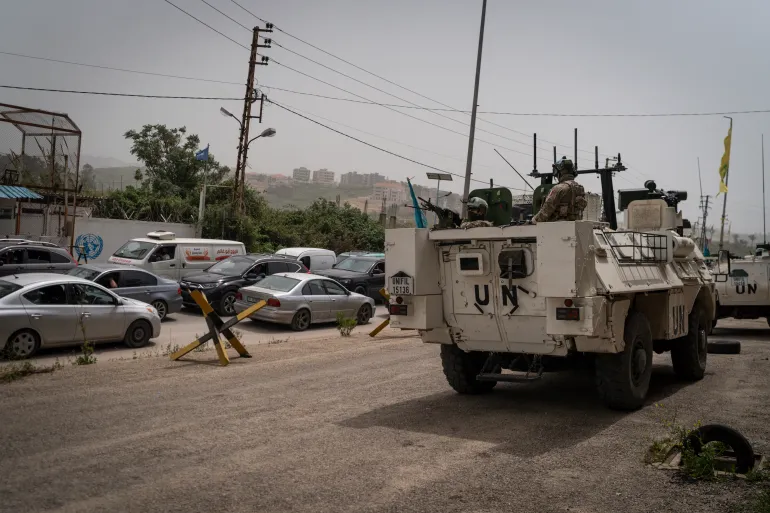
The United Nations peacekeeping mandate in southern Lebanon is scheduled to expire at the end of 2026, prompting discussions about a potential European Union mission to succeed it. This development occurs as a fifth of Lebanon's territory remains occupied, a long-standing issue that continues to shape the region's geopolitical landscape. Israel and Lebanon reached an agreement on a framework in late June, establishing specific pilot zones designed to de-escalate tensions along their shared border. These zones are part of ongoing efforts to manage the complex border situation, which has been a source of instability for decades. The impending UN withdrawal necessitates careful planning for the region's future security arrangements, with international stakeholders closely monitoring the situation. The proposed EU mission aims to provide a structured approach to maintaining stability after the UN's departure.
UNIFIL's Mandate and Limitations
The United Nations Interim Force in Lebanon (UNIFIL) was established on March 19, 1978, following the initial Israeli invasion of Lebanon. Its original purpose was to confirm Israeli withdrawal, restore international peace and security, and assist the Lebanese government in restoring its effective authority in the area. Its mandate saw expansion after the 2006 conflict between Israel and Hezbollah, which significantly altered the security dynamics of southern Lebanon. UN Security Council Resolution 1701 subsequently broadened UNIFIL's mission to include monitoring the ceasefire and supporting the Lebanese Armed Forces' (LAF) deployment in the country's south. This resolution aimed to create a buffer zone and prevent further hostilities. However, UNIFIL was never granted the authority to enforce any aspect of its mandate, a critical limitation that has historically constrained its effectiveness on the ground. This lack of enforcement power has often led to accusations of the mission being unable to fully achieve its objectives. The United Nations is currently engaged in its own succession planning efforts for the mission, acknowledging the need for a full strategy beyond 2026. One proposal under consideration involves assigning a residual role to the UN Truce Supervision Organisation (UNTSO) after UNIFIL's scheduled withdrawal in 2026. This ongoing planning aims to determine the future peacekeeping presence in southern Lebanon, considering various scenarios for maintaining regional stability. The UNTSO, established in 1948, has a long history of observation and peacekeeping in the Middle East, making it a potential candidate for a continued, albeit reduced, UN presence.
Proposed European Mission Details
The European External Action Service (EEAS) has circulated a proposal for a new three-year mission in Lebanon, signaling the European Union's intention to play a significant role in the country's post-UNIFIL security landscape. This proposed mission would encompass both military and civilian components, reflecting a full approach to security sector reform and capacity building. Its primary focus would be on advising and training the Lebanese armed forces (LAF) and the Internal Security Forces (ISF). The initiative aims to bolster Lebanon's domestic security capabilities following the anticipated withdrawal of the United Nations peacekeeping force, thereby empowering Lebanese institutions to take greater responsibility for their own security. The EEAS proposal emphasizes a shift from direct peacekeeping operations to a more supportive and advisory role, aligning with modern approaches to international security assistance.
In June, UN Secretary-General Antonio Guterres presented the Security Council with three distinct options for a future peacekeeping presence, outlining troop numbers ranging from 900 to 3,000 soldiers. This contrasts sharply with the approximately 7,000 personnel currently deployed as part of UNIFIL as of June, indicating a significant potential reduction in international military presence. The European proposal offers an alternative framework, emphasizing capacity-building and advisory roles rather than a large-scale uniformed deployment. This approach suggests a recognition of the complexities of the Lebanese security environment and a desire to foster long-term stability through institutional strengthening. The EU mission, if approved, would represent a substantial commitment from Europe to assist Lebanon in maintaining its sovereignty and security.
Risks and Political Realities
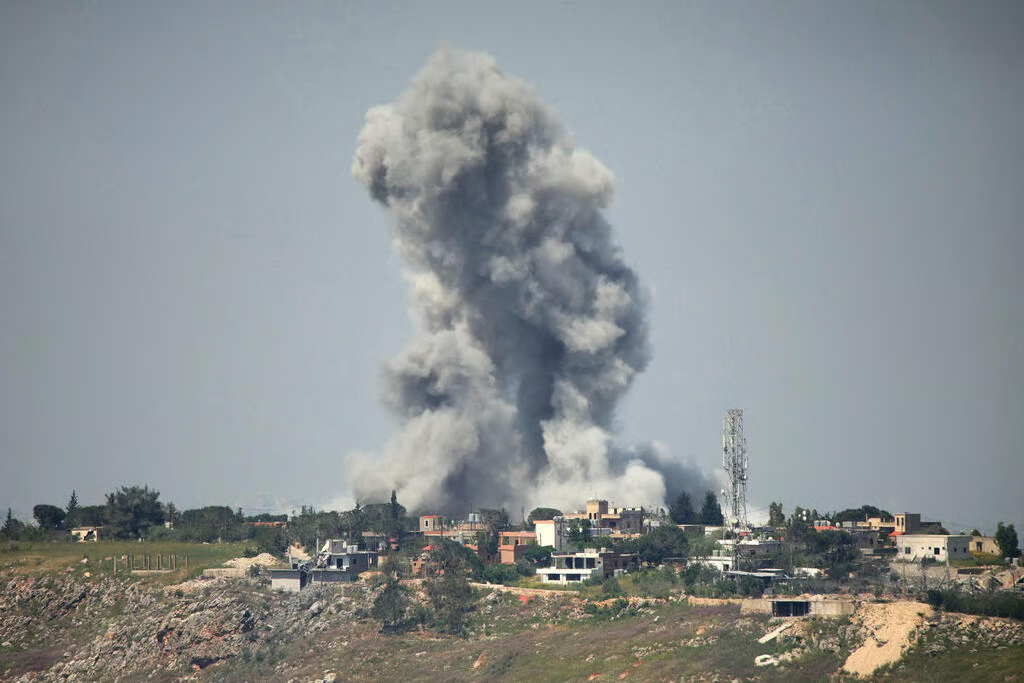
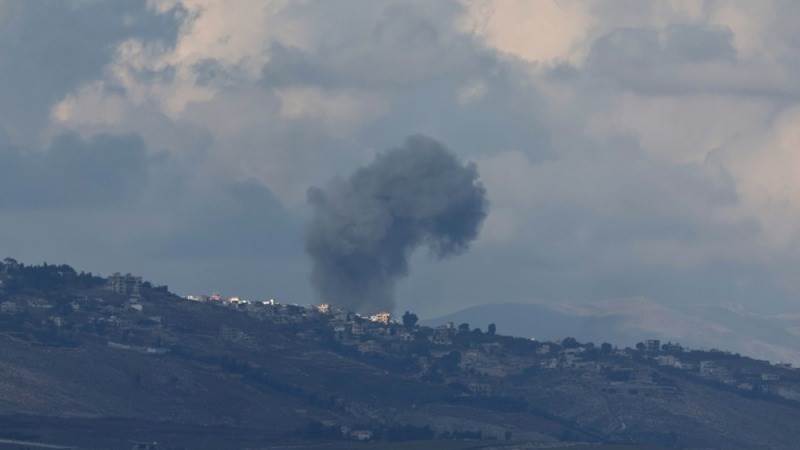
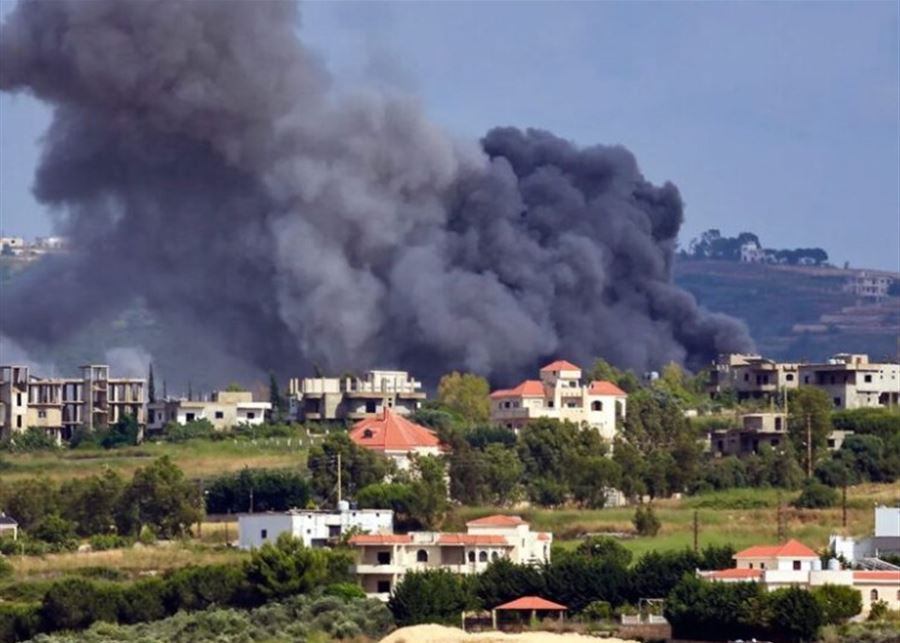
Lebanon is currently experiencing almost daily Israeli bombardment, a situation that profoundly complicates discussions around future security arrangements. This ongoing conflict contributes to the displacement of a significant portion of the population, with approximately 335,000 people still displaced within Lebanon, facing immense humanitarian challenges. The volatile security environment directly impacts the feasibility and scope of any proposed international mission, making any transition fraught with potential risks. The constant threat of escalation shows the urgent need for effective security mechanisms.
Recent diplomatic efforts to expand existing security frameworks have faced significant challenges. Talks held in Rome in early August concluded without an agreement on broadening the pilot zone model, which was established in June to manage border areas between Israel and Lebanon. The failure to reach consensus in these negotiations shows the difficulties in securing regional stability amidst heightened tensions and deep-seated mistrust. This lack of progress notes the fragility of diplomatic initiatives in such a volatile region.
Adding to these complexities, Israel has publicly accused the United Nations Interim Force in Lebanon (UNIFIL) of failing to prevent Hezbollah’s military build-up along the Israel-Lebanon border. This accusation notes a critical point of contention regarding the effectiveness of international peacekeeping mandates and the political realities faced by missions operating in the region. The security concerns raised by Israel regarding Hezbollah's activities further complicate the potential transition from UNIFIL to an alternative international presence, such as a proposed EU mission. The continued daily Israeli bombardment and the unresolved issue of displaced persons also present significant humanitarian and operational hurdles for any future security force, demanding careful consideration and strong planning from any incoming mission. The success of an EU mission would heavily depend on its ability to navigate these intricate political and security challenges while maintaining impartiality and effectiveness.