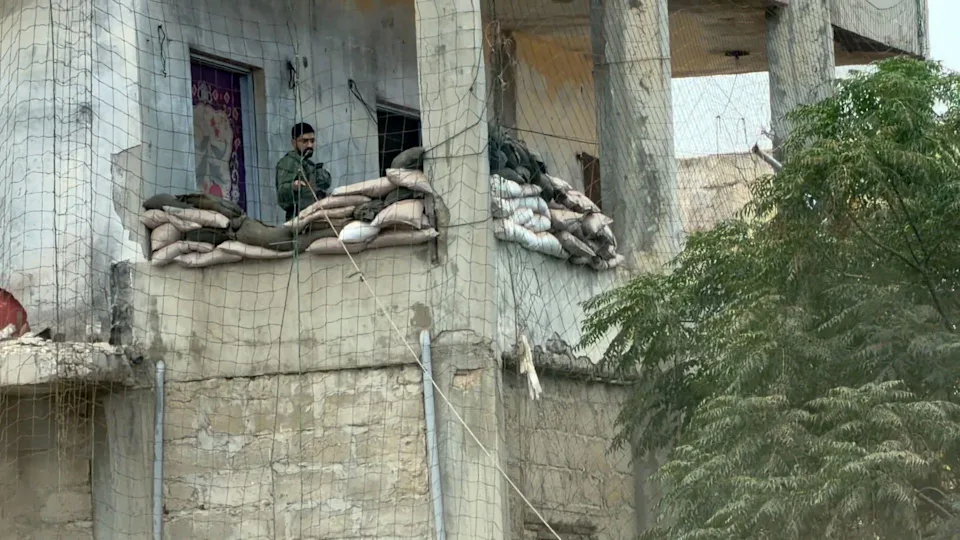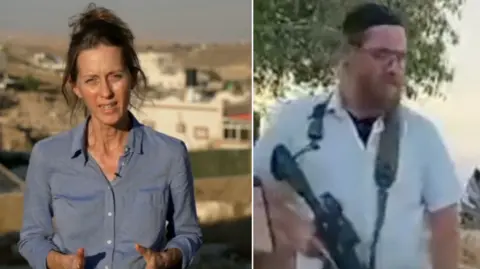
A BBC team visited an area under Israeli occupation in southern Lebanon during August, accompanying a humanitarian mission from the UN peacekeeping force in Lebanon (Unifil). The visit provided direct observation of the Israeli military's presence and activities in the disputed territory, offering a rare glimpse into the ongoing situation on the ground. This access allowed for firsthand reporting on the extent of Israeli operations in the region.
Observations on the Ground
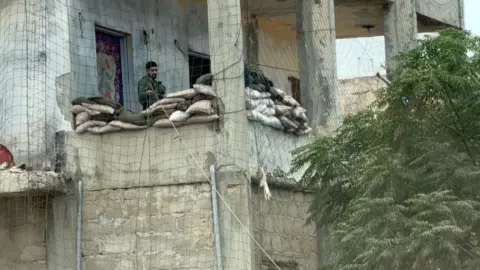
The BBC team's visit to the Israeli-occupied area of southern Lebanon in August was facilitated by the Israeli military, which allowed access through a deconfliction mechanism established with the United Nations. This arrangement enabled the humanitarian mission, and by extension the BBC journalists, to safely navigate the sensitive border region. During this observation, reports indicate that Israel has flattened entire villages within southern Lebanon. The scale of these demolitions in the Lebanese territory is described as being similar in scope and impact to actions taken by the Israeli military in Gaza, suggesting a full and systematic approach to clearing areas. The widespread destruction of civilian structures and infrastructure was a notable observation. The presence of Israeli forces and the extent of the demolitions were directly observed by the BBC during their accompaniment of a humanitarian mission from the UN peacekeeping force in Lebanon (Unifil), providing concrete evidence of the military activities.
Official Claims and Stated Aims
Western and Lebanese officials informed the BBC that the Israeli military is entrenching itself in the occupied areas of southern Lebanon. This assessment from international and local sources suggests a deeper establishment of Israeli forces beyond temporary operations, indicating a more long-term strategy for maintaining control and presence. The officials conveyed their observations regarding the nature of the military's presence, indicating a more permanent fixture in the disputed territory rather than a transient deployment. This entrenchment could signify a strategic shift in how Israel manages its northern border.
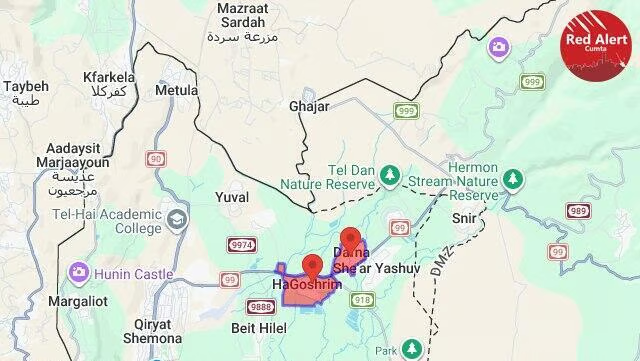
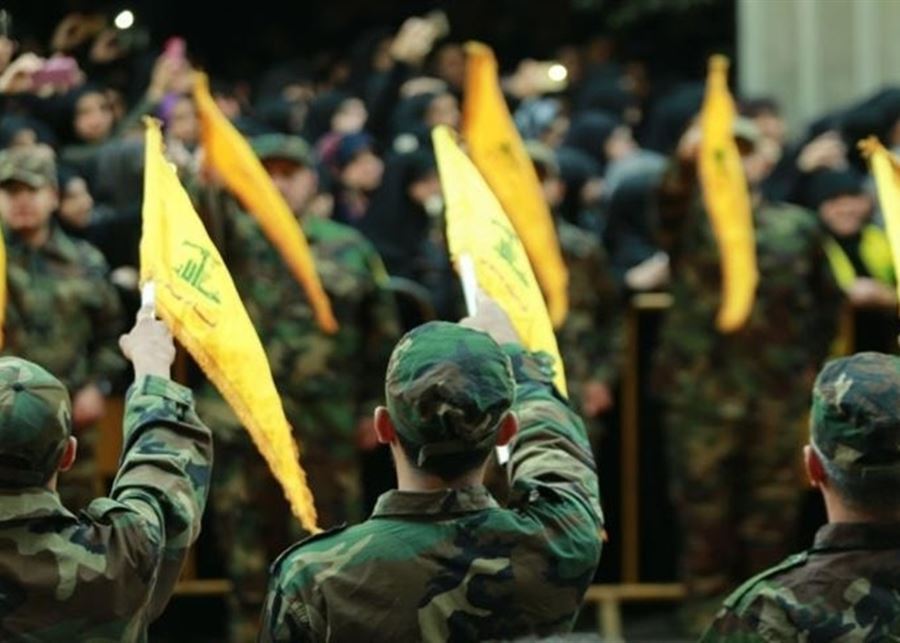
Israel, for its part, has publicly stated its aim in these actions. The Israeli government maintains that its objective is to create a "security zone" within southern Lebanon. This zone is intended to serve as a buffer, designed to prevent potential attacks by Hezbollah on communities in northern Israel. The stated purpose underlines Israel's strategic motivation for its military activities and presence in the area, framing them as defensive measures aimed at protecting its northern border from perceived threats. This declared goal provides insight into the rationale behind the extensive military operations and territorial control observed.
Broader Regional Context
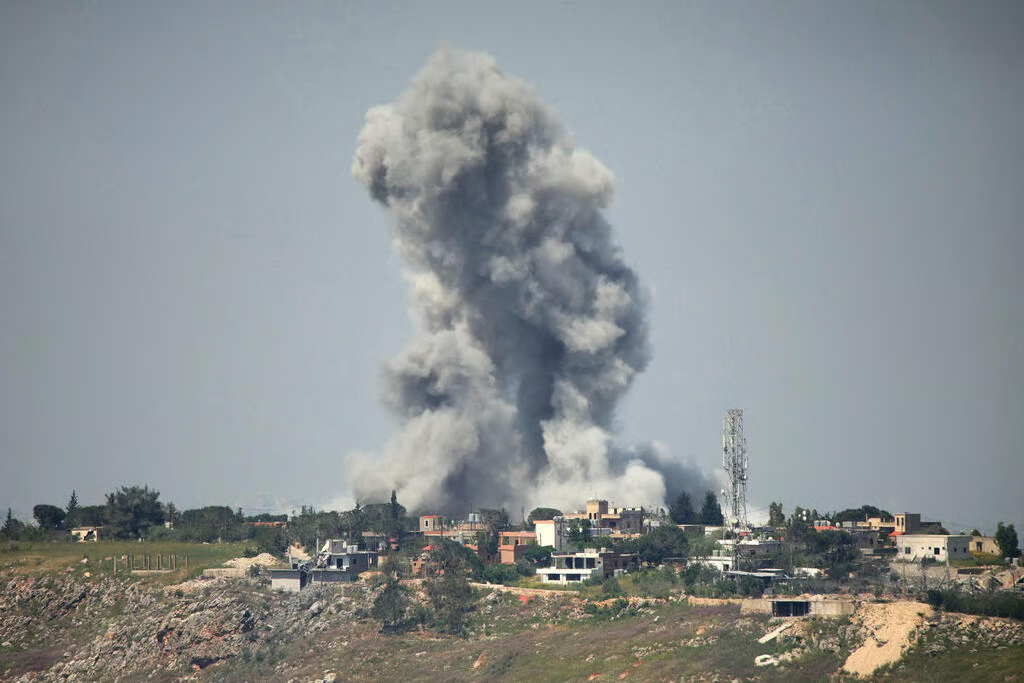
Air strikes and demolitions have continued in southern Lebanon, even following a ceasefire announcement in June regarding its conflict with Hezbollah. The ongoing military activities suggest a sustained operational posture despite peace efforts, indicating that underlying tensions remain high and military actions are proceeding irrespective of formal ceasefires. Israel has stated that the structures it destroyed were utilized by Hezbollah for military purposes. This claim frames the demolitions as targeted actions against specific threats rather than indiscriminate destruction, asserting that each destroyed building had a direct link to Hezbollah's operational capabilities. The Israeli government maintains that such operations are necessary to neutralize perceived security risks emanating from the Lebanese side of the border, thereby safeguarding its own territory and citizens. These actions contribute to the broader regional context of ongoing tensions and military engagements in the area, even during periods of declared ceasefire, noting the persistent instability along the Israel-Lebanon border.